Let's start with the obvious thing nobody says out loud
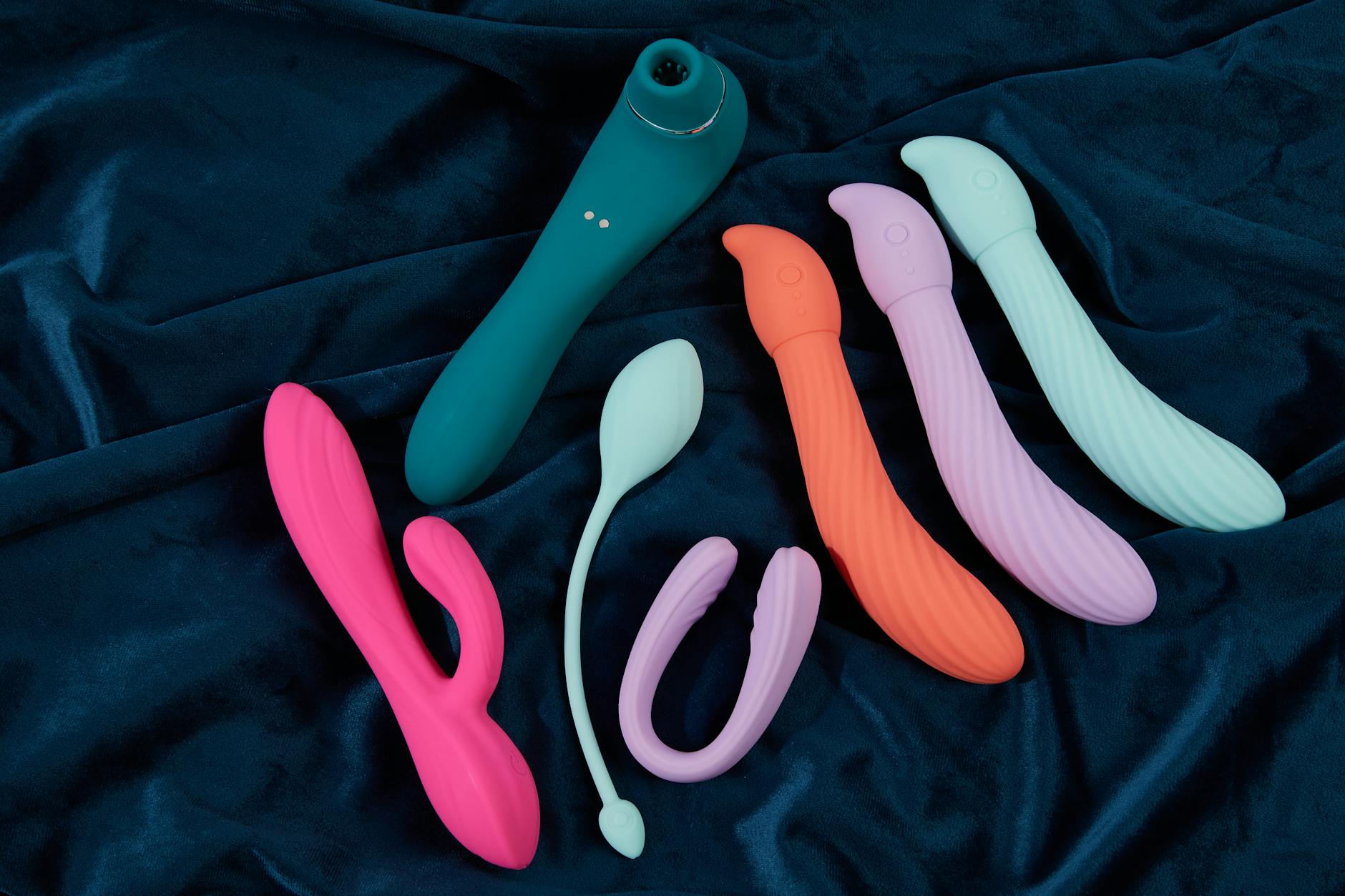
You pick up a lemon clitoral vibrator after years with a wand, and something feels off. Not bad. Not wrong. Just... different. Your first instinct might be to assume the lemon vibrator isn't working or that your body has changed. Neither is true. What's actually happening is that you've switched from broad, sustained pressure to concentrated, precision stimulation. Your nervous system is learning a new language.
The difference isn't subtle, and it's not a flaw. It's physics.
How wand vibrators actually work on your body
Wand vibrators deliver wide, surface-level vibration across a large area. Think of it like pressing a humming speaker against your skin. The vibration spreads. Your whole vulva feels it. The stimulation is diffuse, which means your nerve endings across a wide zone are firing simultaneously. It takes lower frequency and higher amplitude to feel anything at all, so most wands run between 80-150 Hz.
That broad coverage is comforting. There's something almost meditative about it. You can't really mess up the angle because there's barely an angle involved. The pressure is forgiving. Your pelvic floor has space to engage gradually.
Here's what else it means: wand vibrators are working harder to reach the nerve clusters that actually matter for intense sensation. They're taking a scenic route.
What lemon clitoral vibrators do differently
Lemon vibrators use air-suction technology paired with targeted vibration. Instead of vibrating broadly across tissue, they create a gentle vacuum that draws the clitoris upward and then pulse. The stimulation is highly concentrated on the thousands of nerve endings clustered in and around the clitoral head.
This is not the same as a wand, and your body will notice immediately.
A lemon vibrator typically works at higher frequencies (think 2000+ pulses per minute) but lower amplitude. The suction is doing half the work. You're not relying on raw vibration strength because you don't need it. The technology is meeting your nerve endings directly instead of asking them to feel vibration from three tissue layers away.
First time using one after wand-only experience? You might feel almost too much, too fast. That's because the nerve fibers responsible for sensation are being activated more efficiently. It's not intensity in the traditional sense. It's precision.
Why it feels strange at first (and that's completely normal)
Three reasons the transition tends to feel jarring.
1. You're used to building slowly. With a wand, arousal is gradual because the stimulation is diffuse. Your nervous system anticipates a slow climb. A lemon vibrator doesn't follow that script. The sensation is immediate and localized, which can feel almost surprising even if you're expecting it.
2. Your pelvic floor gets confused. Wand vibration often causes the pelvic floor to tense protectively because the sensation is happening so far away from where it usually expects focus. With a lemon vibrator, you suddenly have intense localized sensation, and your pelvic floor wants to grip. You're not doing it wrong. Your body is just recalibrating what safety looks like.
3. The pleasure pathway is different. With a wand, you're chasing breadth. With a lemon vibrator, you're experiencing depth. Those are two different neural routes to orgasm. Some people find that the first few times with a lemon vibrator feel underwhelming because they're still expecting the wand's particular flavor of sensation. Then on attempt four or five, something clicks, and the suction technology suddenly makes total sense.
The adjustment that actually helps
Here's what I recommend to clients making this switch.
Start lower and slower. Lemon vibrators typically have 5-10 intensity levels. Most people jumping from wands go straight to level 4 or 5. Try starting at level 1 or 2 instead. The sensation feels bigger at lower settings with this technology because it's so focused. You'll understand the device before you understand your response to it.
Use it on dry tissue first. This sounds counterintuitive, but with air-suction devices, that initial contact without lubricant actually helps you feel the suction mechanism itself. Once you understand what the device is doing, add water-based lubricant. The sensation changes (becomes smoother, less intense), and that becomes your new baseline.
Give your pelvic floor permission to stay soft. Actively relax your pelvic floor before you start. Breathe. This matters more with lemon vibrators than with wands because the sensation is so localized that a tense pelvic floor genuinely interferes with what you're feeling. Softness isn't weakness here. It's access.
Spend time on the outer labia first. Your body might be more comfortable with sensation there before you move the device directly to the clitoris. This is not a step you're supposed to skip. Your nervous system is learning that this type of stimulation is safe. Let it.
The mental shift that matters
Most of the friction in switching from wand to lemon vibrator is psychological, not physical. You've built an expectation around what good sensation feels like. Wands feel a certain way. Lemon vibrators feel another way entirely. Neither is better. They're just different.
If you're switching because you read that lemon clitoral vibrators are "better," that's partially true and partially marketing. They're better for certain bodies and certain types of stimulation. They're worse if you actually prefer broad, sustained pressure. Some people use both. Some people discover they're a lemon vibrator person and never go back to wands. Some people try a lemon vibrator once and think, "Nope, I'm a wand person," and that's equally valid.
The technology that works is the one that works for your body, not the one that works on Instagram.
What changes as you adjust
Give it three weeks. Most people report that by week two, the sensation starts feeling less alien and more intuitive. By week three, many people realize they prefer the lemon vibrator for solo play but still reach for a wand or different toy when they're with a partner. That's not indecision. That's actually understanding your body better.
Some other shifts you might notice.
Orgasms can feel different. Wand orgasms are sometimes broader and more relaxed. Lemon vibrator orgasms are sometimes more intense and more localized, especially if your clitoris is sensitive. You might orgasm faster, or you might actually take longer because you're learning new nerve pathways. Both are normal.
Sensation intensity doesn't actually equate to pleasure intensity. This is important. A lemon vibrator might feel less intense than a wand, but produce better orgasms. The two aren't connected. Intensity is about how much stimulation you're receiving. Pleasure is about how your brain is interpreting it.
Your sensitivity might shift day to day. With a broad wand, you're less likely to notice hormonal or timing fluctuations. With a lemon vibrator's precise stimulation, you absolutely will. Some days the same device at the same setting feels perfect. Other days it feels aggressive. That's your body giving you information, not the device breaking.
When to stick with wands instead
Not everyone needs to switch. If your pelvic floor is chronically tense, a wand's broader, gentler stimulation might serve you better than the intensity of a lemon clitoral vibrator. If you have vulvodynia or significant clitoral sensitivity, the concentrated suction of a lemon vibrator might feel overwhelming. If you're already having great orgasms with your current setup, there's zero reason to fix what isn't broken.
The goal isn't to own every device. The goal is to understand your body well enough to choose the right tool for what you actually need.
The honest truth about the transition
Switching from a wand to a lemon vibrator isn't supposed to feel natural immediately. You're learning new sensitivity, retraining your pelvic floor, and experiencing pleasure through a different technological approach. That takes time and patience. Most people find that after three or four uses, something shifts. The strangeness fades. The precision starts to feel like exactly what you needed.
If after a month of regular use a lemon vibrator still doesn't click, that's information too. Your body is telling you something. You might be a wand person, or you might need a different clitoral vibrator altogether. That's not failure. That's self-knowledge.