The truth about vibrator nerves
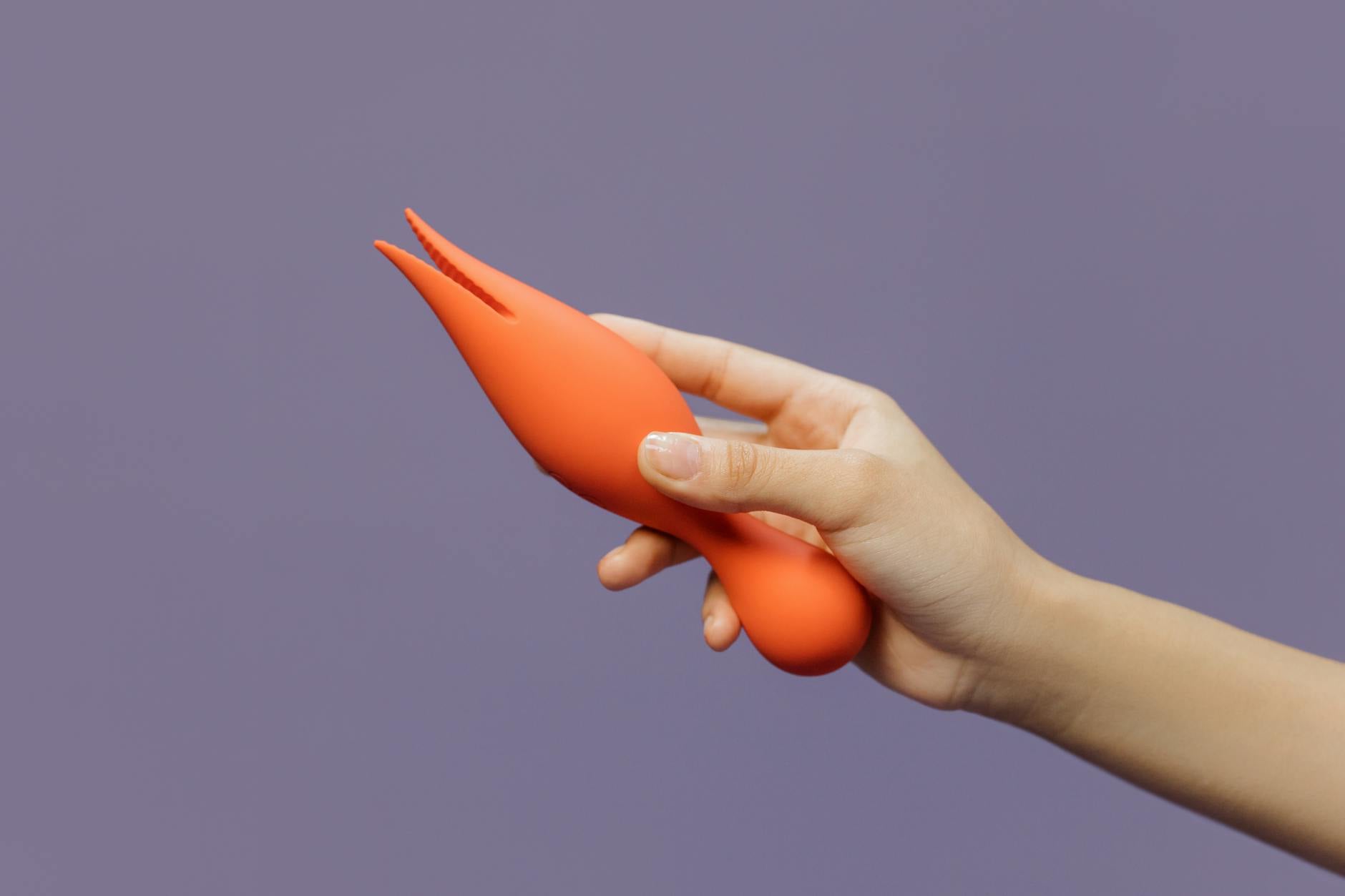
Let's be real. The first time you're thinking about picking up a lemon clitoral vibrator, something fires off in your brain. Is it going to be too intense? Will I know what I'm doing? What if I don't like it? Those questions aren't weakness. They're wisdom. Your nervous system is doing its job.
Here's what I tell clients in my practice: anxiety about sensation is one of the most common things I hear, and it's also one of the easiest things to solve. Not by ignoring the anxiety, but by understanding it.
Why first-time vibrator anxiety actually makes sense
Your body has a baseline for sensation. You know what a partner's touch feels like. You know your own hand. A vibrator is a completely different neural signal. Your clitoris has more than 8,000 nerve endings, and vibration stimulates them in a way that's genuinely novel. Your brain isn't being dramatic when it says "wait, what is that?"
There's also a layer of cultural static underneath. Many of us grew up hearing that vibrators were either taboo or something you'd graduate to after "real" sex. That's not how your body works, but the messaging lives in your nervous system anyway. You might feel a pull toward trying a lemon vibrator paired with a quiet voice saying you shouldn't need it. That's not personal failure. That's just the baggage talking.
The good news: both of these things dissolve the moment you actually try one and realize your body is fine. Better than fine.
Starting with the right expectations
Here's what actually happens the first time you use a lemon clitoral vibrator, stripped of myth:
It will probably feel stronger than you expected. Not violent or scary, just... more. Your clitoris will register the vibration quickly, often within the first 10-15 seconds. This is normal. This is your body working exactly as designed.
You might not come the first time. That's also completely normal. Your nervous system is still mapping the sensation. Some people orgasm within a minute. Others need to try three or four times before the neural pathway locks in. Both are fine.
You'll probably want to move it around or change the pattern within the first minute. Let yourself. There's no "correct" spot or "correct" speed. Lemon vibrators have multiple patterns for exactly this reason.
When you do find the right combination of pressure and pattern, you'll know. There's a clarity to it. Your brain stops narrating and just receives the signal.
The slow introduction strategy that actually works
If you're nervous, don't skip this part. It's the difference between "okay" and "oh, I get it now."
Day one: solo exploration, no pressure. Hold your lemon vibrator. Don't turn it on yet. Get familiar with the weight, the shape, the material. Silicone is soft and warm. Notice that. Turn it on at the lowest setting for five seconds. That's it. You're just introducing your nervous system to the stimulus. Your job is observation, not pleasure.
Day two: external only, short session. Turn on your vibrator at pattern one (the gentlest). Hold it against your labia or your inner thigh, somewhere sensitive but not the clitoris itself. Thirty seconds. Notice what you feel. No goal beyond that.
Day three: direct contact, pattern one. Okay, now try it directly on your clitoris at the lowest pattern. Start for 10-15 seconds, then stop. Your brain is learning. Let it.
Day four and beyond: stay curious. Try different patterns. Try longer sessions (five minutes is plenty). Try it at different times of day. Some people respond better in the morning, some at night. Your baseline will show up.
This is not a race. People who do this slow introduction almost always end up enjoying their lemon vibrator more than people who go straight to pattern five on day one.
What you're actually afraid of (and what helps)
I work with a lot of people who say "I'm worried it will feel weird," and what they mean is something more specific. Let me name a few of the real concerns I hear:
"It will be too intense." Start at pattern one. You have complete control. You can stop anytime. The fact that you can turn it off is actually incredibly grounding for your nervous system.
"I won't be able to come." Totally possible, especially the first few times. That's not a sign something is wrong with you or the toy. Your brain is still learning to interpret the signal. Keep going.
"I'll feel out of control." You won't. Vibration is actually easier to manage than you think because you can use pressure to modulate the sensation. Press harder for more intensity, lighter for less. You're in charge.
"It will feel clinical or fake." At first, maybe a little. Your body adjusts. Within a few sessions, most people report that the sensation feels as genuine as anything else.
"What if I don't like the feeling?" Then you don't use it. Some people connect better with other kinds of stimulation. That's information, not failure. But most people who ease in slowly end up loving their lemon vibrator.
The logistics that reduce anxiety
Honest logistics help more than reassurance does.
Choose a time when you have 20-30 minutes alone and you're not rushed. Not five minutes before you need to leave for work. Your nervous system can't relax under time pressure.
Start with a little water-based lubricant. Not because anything is wrong with you, but because it helps you feel the vibration more clearly and makes the experience more comfortable.
Have your phone on silent or in another room. One fewer notification means one fewer reasons for your brain to jump out of the moment.
Dim the lights if bright light makes you self-conscious. This is for you. Your comfort matters.
If you're with a partner, you might tell them what you're doing, or you might keep it to yourself. Either is fine. You don't owe anyone a play-by-play of your body's learning process.
The sensation shifts that happen with practice
This is worth knowing because it's kind of beautiful. The first time you use a lemon vibrator, you feel the vibration. Pure stimulus. By the fifth or sixth time, your brain starts layering other sensations on top. You might feel the pressure of your hand. The warmth of the toy. The air on your skin. The vibration becomes less "alien" and more "integrated into the whole experience."
Most people who stick with it also notice their sensitivity shifts. What felt overwhelming on day one feels exactly right on day seven. Your nervous system is remarkably good at calibrating to new stimulus.
Some people also notice their sense of control deepens. Instead of just turning it on and receiving sensation, you start experimenting with patterns, pressure, rhythm. You go from passive to active. That's when things often get really good.
When to seek support
If you try multiple times and feel genuine pain (not just "new sensation" discomfort, but actual pain), stop. There might be something like vaginismus or pelvic floor tension that deserves professional attention. A pelvic floor physical therapist is not awkward. They're used to this. They help.
If anxiety doesn't ease after a few tries, that's also worth exploring with someone. It might be worth reading <a href="/blog/how-to-switch-from-traditional-vibrators-to-lemon-clitoral-vibrators">how to switch from traditional vibrators to lemon clitoral vibrators</a> to see if a different approach feels less scary.
If you have a partner and this is feeling like a relationship issue (like they're pushing you or you feel pressure), that's a conversation, not a toy problem. The toy is neutral. The context around it matters.
Your lemon vibrator is not a test
Here's what I want you to know, at the bottom line: trying a clitoral vibrator is not a pass-or-fail situation. It's not proof of anything. It's not a requirement. It's an option. You get to be nervous. You get to go slow. You get to decide if it's for you.
For most people who ease in with patience and curiosity, a lemon clitoral vibrator becomes a reliable part of their pleasure toolkit. Not because there's anything wrong with manual stimulation, but because vibration adds something new. More options. More clarity on what your body actually wants.
Your anxiety is telling you to be thoughtful. Listen to it. Then try anyway, slowly. Your body will tell you the rest.
People also ask
How long does it take to adjust to using a lemon vibrator if you're nervous?
Most people feel significantly more comfortable by day five or six, especially if they do the slow intro. Your nervous system learns fast once it realizes the stimulus is safe. That said, some people take a couple weeks. There's no timeline. You're not behind.
Is it normal to feel nothing the first time you use a clitoral vibrator?
Completely normal. Your clitoris is receiving the signal, but your brain might not have registered pleasure yet. That's not numbness, that's just unfamiliar sensation being processed. Keep going. The connection usually solidifies by the third or fourth try.
Can you use a lemon vibrator if you have sexual anxiety or trauma history?
Yes, but context matters. If you have trauma in your background, you might want to start in the safest possible environment and give yourself full permission to stop if anything feels wrong. Some people find that having complete control over a device (unlike a partner) is actually healing. Others need time. There's no single answer, but it's worth exploring at your own pace.
What's the difference between a lemon vibrator and other clitoral vibrators?
Lemon vibrators use air-suction or pulse patterns instead of pure vibration, which many people find more intuitive and less numbing. If you're nervous about intensity, a lemon toy might actually be less scary than a traditional vibrator because the sensation feels more like pressure and less like a buzzing alarm clock.
Should I use lube with a lemon vibrator even if I don't usually need it?
Lube isn't medically necessary, but it changes how the sensation travels through your tissue and often makes it feel better. Even people who don't need lube for partners often use a little with a toy just to smooth things out. It's worth trying.
What if I try my lemon vibrator and hate it? Can I return it?
Most Hello Nancy toys have a solid return policy, and more importantly, you don't have to figure out pleasure perfectly on the first try. Some people need to sit with something for a few weeks before it clicks. Others realize it's not for them, and that's fine too. Your pleasure is the only metric that matters.