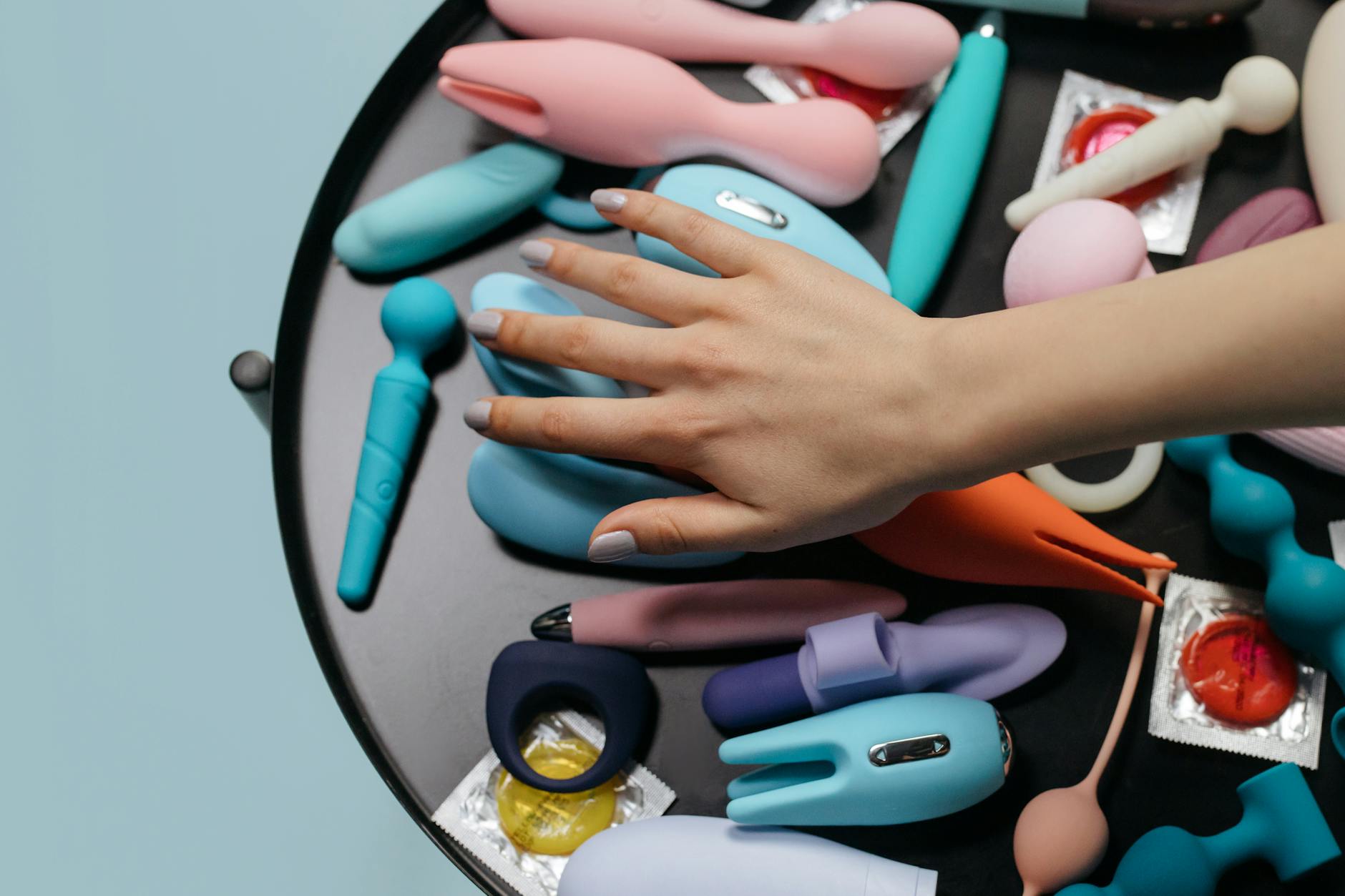
Can you actually use clitoral vibrators while you're pregnant?
Yes. Full stop. You can use lemon vibrators and other clitoral vibrators during pregnancy and postpartum. And honestly, a lot of people should.
The cultural silence around this is weird. Pregnancy and the postpartum period are intense transitions for your body, your relationship, and your sense of yourself. Pleasure gets shuffled off the agenda like it's a luxury you'll return to later. But it's not a luxury. It's a tool for staying present, managing stress, and maintaining connection to your body when everything feels like it's happening to you instead of with you.
Let me walk you through what's actually safe, what changes, and how to navigate intimacy when your body is in full transformation mode.
What doctors actually say about vibrators in pregnancy
The medical consensus is clear: vibrators are safe during uncomplicated pregnancies. Organizations like the American College of Obstetricians and Gynecologists don't recommend against them. Your OB might have personal discomfort around the topic (many do), but the clinical evidence doesn't support a ban.
The key word is "uncomplicated." If you're experiencing placental issues, threatened miscarriage, preterm labor, or have been told to avoid sexual activity, that changes the conversation. Talk to your doctor directly. But if your pregnancy is proceeding normally, vibrators aren't a risk.
Why? Because orgasm itself isn't dangerous for a healthy pregnancy. It causes uterine contractions, sure, but so does sneezing and exercise. The contractions from orgasm are brief and don't trigger labor in a healthy pregnancy (though they might feel more intense than usual). You're not introducing any foreign materials into the uterus. The risk just isn't there.
Why pleasure matters during pregnancy
Your hormones are flooding your system. Progesterone is climbing. Blood flow to your pelvic area increases. Your clitoris actually becomes more sensitive. Some people find this period extraordinarily pleasurable. Others find it overwhelming or confusing.
But here's what I know from years of working with couples through major transitions: pleasure during pregnancy does something powerful. It grounds you. When your body feels like a borrowed thing, pleasure reminds you that it's still yours. It reduces stress (which pregnancy certainly brings), improves sleep, and maintains the physical connection to your partner that often gets lost in the noise of prenatal appointments and nursery planning.
Orgasms also release oxytocin, the bonding hormone. That matters for your relationship, especially during a period when sex might feel complicated or unsafe and intimacy needs different forms of expression.
How your pleasure actually changes during pregnancy
Three main shifts typically happen.
1. Increased sensitivity. The increased blood flow to your pelvic area means you might find clitoral stimulation more intense or easier to access. Some people find they orgasm faster or with more intensity than before. For others, the increased sensitivity feels too much, and lighter touch or lower vibration intensity works better.
2. Position matters more. Your growing belly changes what's physically comfortable. You might need to shift how you use a vibrator, or you might prefer hands-free options that work in positions where you're not lying on your stomach or putting pressure on your abdomen.
3. Emotional variability. Pregnancy hormones aren't just physical. They shape mood, desire, and what feels safe or appealing. Some days pleasure feels incredible. Other days you want nothing to do with it. This is completely normal and doesn't mean anything is wrong with you or your relationship.
If you're using a lemon clitoral vibrator or similar device, start on lower settings. Your sensitivity has changed. What felt moderate before might feel intense now. You can always increase the intensity, but starting gentler gives you better information about what your body needs right now.
The postpartum shift (weeks 1-12)
Early postpartum is a different animal entirely. Your pelvic floor is recovering from massive stress. If you had a vaginal tear or episiotomy, that area is actively healing. If you had a cesarean, your abdomen is a surgical wound.
Officially, most doctors recommend waiting six weeks before sexual activity. That's a reasonable guideline, but it's not a hard wall. Some couples resume intimacy sooner (with careful attention to comfort). Others need more time. The real rule is: pain-free, healing-complete, and emotionally ready.
For the first six weeks, vibrators aren't the thing. You need rest, support, and healing space.
But here's what I see in my practice: postpartum desire doesn't always follow the six-week timeline. Some people feel ready for external clitoral stimulation (without internal contact) well before six weeks. If your perineal healing is progressing well and your midwife or doctor gives you the green light, using a lemon vibrator on the external clitoris can be a gentle way to reconnect to pleasure. It doesn't require the physical recovery that penetrative sex does.
The key is communication with your healthcare provider and your own body. If touch in that area causes pain, stop. Healing varies wildly. Comparing your timeline to anyone else's is a waste of energy.
What changes postpartum, week 12 onward
By three months postpartum, most people are cleared for all forms of sexual activity. But "cleared" and "ready" are different things.
Your hormones are shifting again. If you're breastfeeding, prolactin is high, and that can suppress desire. Sleep deprivation is real (this part matters more than people admit). Your identity has shifted. Your body is postpartum but maybe not back to pre-pregnancy yet.
Many partners feel invisible or less desirable. This is where pleasure becomes a relationship tool, not just a solo thing. Using a lemon vibrator together, or having your partner involved in your solo pleasure, can be a way of saying "I still want you, even though everything is chaos right now."
The physical recovery continues. Your pelvic floor is still strengthening. If you had a tear or episiotomy, scar tissue might be forming. This can create new sensations or areas of slight tenderness. A lemon clitoral vibrator, because it focuses stimulation on the clitoris rather than internal pressure, is often more comfortable than returning to penetrative sex immediately.
How to choose intensity and technique during these periods
Your standard approach probably needs updating. Here's what I recommend.
Start with lower vibration patterns. The Lemon clitoral vibrator offers multiple intensity levels for exactly this reason. Pregnancy and postpartum mean your tissue is more sensitive. What felt right before might feel harsh now.
Consider external-only stimulation, especially postpartum. You don't need penetration to access intense pleasure. A lemon sucker device or clitoral vibrator focused entirely on external sensation is safer and often more satisfying during early postpartum recovery.
Build in longer warm-up time. Pregnancy and postpartum fatigue are real. Your body might need more time to wake up. Patience here pays off.
Talk to your partner about what you need. If they're not involved, that's fine. But if you're in a partnered relationship, let them know what's changed. "I need lower intensity" or "touch me slower" gives them permission to participate in the new version of your body.
The pelvic floor during these transitions
Your pelvic floor muscles are doing heavy lifting during pregnancy (literally supporting extra weight) and recovering during postpartum. Tension, weakness, or both can affect pleasure.
Kegels are useful postpartum, but so is the opposite: learning to relax and lengthen the pelvic floor. A vibrator can actually help with this. Gentle stimulation, combined with conscious relaxation, trains your body to release tension rather than hold it.
If you experience pain during or after vibrator use postpartum, that's a signal to slow down. Pain isn't normal. It might indicate pelvic floor dysfunction, unhealed tissue, or just that you need more recovery time. A pelvic floor physical therapist can assess and guide you. This isn't a forever thing. Most issues resolve with targeted work.
Partner communication through these transitions
I work with a lot of couples during pregnancy and postpartum. The couples who maintain connection are the ones who talk directly about pleasure, not just sex.
"I want to use a vibrator during pregnancy. I want you to know that's something I need right now." This is different from "I'm not interested in sex with you." Both are valid. But one invites your partner in, and the other shuts them out.
Similarly, postpartum: "My body is healing and I'm exhausted, but I miss feeling good. I might want to use a vibrator solo while you're taking the baby for a walk. That's not about you. That's about me reclaiming something that's mine."
These conversations are awkward. They matter anyway.
When to pause and get help
If you experience pain during vibrator use at any point in pregnancy or postpartum, stop and talk to your doctor. Pain isn't normal, and it's not something to push through.
If your desire has completely disappeared and isn't returning three months postpartum, that's worth discussing with your healthcare provider. Postpartum depression and anxiety are real. They flatten desire. Treatment helps.
If your relationship feels fractured by the physical changes, a couples therapist who specializes in postpartum transitions can help rebuild connection. Pleasure is one tool. But sometimes you need professional support to get there.
The bigger picture
Pregnancy and postpartum are massive life events. Your body changes. Your brain changes. Your relationship changes. Pleasure often gets pushed to the margins, filed under "later."
But pleasure during these transitions isn't a bonus. It's a way of staying grounded in your body, managing stress, and maintaining connection to yourself and your partner. A lemon clitoral vibrator is a small tool. Used thoughtfully, it can make a real difference in how you move through one of life's most demanding chapters.
Your pleasure matters. Even now. Especially now.
People also ask
Can vibrators cause miscarriage?
No. Vibrators don't cause miscarriage. Orgasms don't cause miscarriage in a healthy pregnancy. The idea that sexual activity is dangerous during pregnancy is a myth that persists in some cultures, but the medical evidence doesn't support it. If your pregnancy is uncomplicated, vibrators and sexual activity are safe. If you've been told to avoid sexual activity for specific medical reasons (like placental previa or threatened preterm labor), follow that advice. But in general, vibrators aren't a risk factor.
Will using a vibrator during pregnancy affect my baby?
No. Your baby is completely protected inside the uterus. Vibrations don't penetrate that far. Orgasms cause brief uterine contractions, but they're not strong enough to affect your baby. The only thing your baby might notice is a change in your stress levels. Lower stress (which pleasure can provide) is actually good for fetal development.
Is it safe to use a lemon vibrator postpartum while breastfeeding?
Yes, absolutely. Using a vibrator while breastfeeding won't affect your milk supply or quality. Pleasure and orgasm can actually increase oxytocin, which supports milk production. The one practical thing: if you're using a vibrator during breastfeeding, you might leak milk during orgasm. This is normal and temporary. Just be prepared with a towel or have it happen in the shower if that bothers you.
How soon after delivery can I use a vibrator?
That depends on how your healing is progressing. Most doctors recommend waiting at least six weeks for any sexual activity, including vibrators. But external clitoral stimulation (without penetration) might be comfortable sooner if your perineal area has healed well and you're not in pain. The real test is: does it hurt? If yes, wait. If no, and your doctor has cleared you, it's probably fine. Every person's healing timeline is different.
Can vibrators help with postpartum depression?
Vibrators aren't a treatment for postpartum depression. But pleasure, stress relief, and reconnection to your body are all helpful components of managing postpartum mood. If you're experiencing postpartum depression or anxiety, talk to your doctor. Treatment (therapy, medication, or both) is important. A vibrator might support your recovery, but it's not a substitute for professional help.
What if my partner isn't comfortable with vibrators during pregnancy or postpartum?
This is worth a conversation. Some partners worry that vibrators mean their participation isn't wanted, or that pregnancy or postpartum is a time sex "shouldn't" happen. Sometimes it's just discomfort with the topic. Talk directly: "I want to use a vibrator because it helps me feel good and connected to my body. That doesn't mean I don't want you. Here's how you can be involved if you want to be." Sometimes a conversation with a couples therapist helps both of you find common ground on what intimacy looks like during this transition.
Moving forward
Pregnancy and postpartum aren't pause buttons on your pleasure. They're transitions. Your body is doing extraordinary things. It's okay to feel differently about what you want, how you want it, and when you want it. That's not failure. That's adaptation.
A lemon vibrator can be part of how you navigate these changes. So can honest conversations with your partner, patience with your healing body, and permission to prioritize pleasure even when everything else feels urgent.
Your body is yours. Your pleasure is yours. Even when you're growing a human or recovering from giving birth, you get to experience that. That matters.
If you have questions about what's safe for your specific situation, talk to your midwife, OB, or healthcare provider. They know your medical history and can give personalized guidance. And if you need support navigating the relationship changes that come with pregnancy and postpartum, that's what professionals like me are here for.
You deserve pleasure. Your relationship deserves attention. Both are possible, even during these intense transitions. Start there.