
Here's what nobody tells you about pleasure after 40
You're not broken. Your body hasn't abandoned you. But something has shifted, and it's real enough that you've started to wonder if this is just what happens now. Sensation feels muted. Touch that used to light you up barely registers. You might not even want to try anymore because the disconnect is so stark.
I've sat across from hundreds of women and partners in my therapy practice who describe this exact experience. They don't talk about it because there's no neat language for it. It's not pain. It's numbness. And numbness feels like loss.
Here's what I've learned: reconnecting with your pleasure after 40 isn't about forcing sensation back. It's about understanding why your body has changed and finding tools that work with your nervous system now, not against it. Lemon clitoral vibrators are one of those tools.
Why sensation changes in your 40s and beyond
Three things happen simultaneously in midlife. First, estrogen shifts. You don't need to be in menopause for this to matter. Perimenopause (the 5-10 years leading up to it) changes how responsive your tissues are. Thinner tissue. Less natural lubrication. Blood flow that takes longer to reach sensitive areas.
Second, your nervous system recalibrates. You've spent decades managing stress, anticipating others' needs, filtering your own signals. That constant vigilance literally changes how your brain processes sensation. Pleasure pathways quiet down because your threat detection is turned up.
Third, and this matters more than biology alone, you've internalized a story that pleasure is for younger women. That sex is a performance. That your value depends on your desirability. When you reach 40 and your body doesn't perform on the old timeline anymore, the mental shutdown happens faster than the physical one.
What makes lemon vibrators different at this stage
Most traditional vibrators deliver steady, high-frequency vibration. That works brilliantly for younger nervous systems with highly responsive tissue. After 40, that same stimulation can feel too intense, too abstract, or weirdly desensitizing. Your body needs something different.
Lemon clitoral vibrators use suction and pulsing patterns instead of direct vibration. This matters because:
The suction works with your tissue instead of against it. After 40, direct friction can feel irritating or numb-making. Suction creates a gentle pressure that stimulates deeper nerve clusters without mechanical wear. Think of it as waking up nerves that have gone quiet, not hammering at ones already fatigued.
The patterns feel more like touch. A partner's mouth creates rhythm and variation. Lemon vibrators mimic that. Your nervous system recognizes the pattern as more sensual, less clinical. That distinction is huge for women who've started to feel disconnected from their sexuality.
There's less performance pressure. A lemon sucker vibrator isn't something you "use right" or "get wrong." You can start at a low intensity, pause, explore, change patterns mid-session. That permission to move slowly rebuilds the neural pathways for pleasure that have gone dormant.
The first step: permission and privacy
Before you buy anything, you need one thing that no vibrator can give you. You need permission to want this. Not permission from a partner. Permission from yourself.
In my practice, the women who reconnect most successfully with pleasure after 40 are the ones who stop waiting for it to happen accidentally and start approaching it like they would any skill they wanted to rebuild. You don't reconnect with tennis by waiting for the tennis racket to come to you. You clear space, you practice, you expect your first attempts to feel rusty.
Pleasure is the same. You need privacy. Not shame-based privacy, but practical privacy. A locked door. A time when you're not managing anyone else's needs. This isn't selfish. It's the baseline condition for your nervous system to downshift enough for sensation to register.
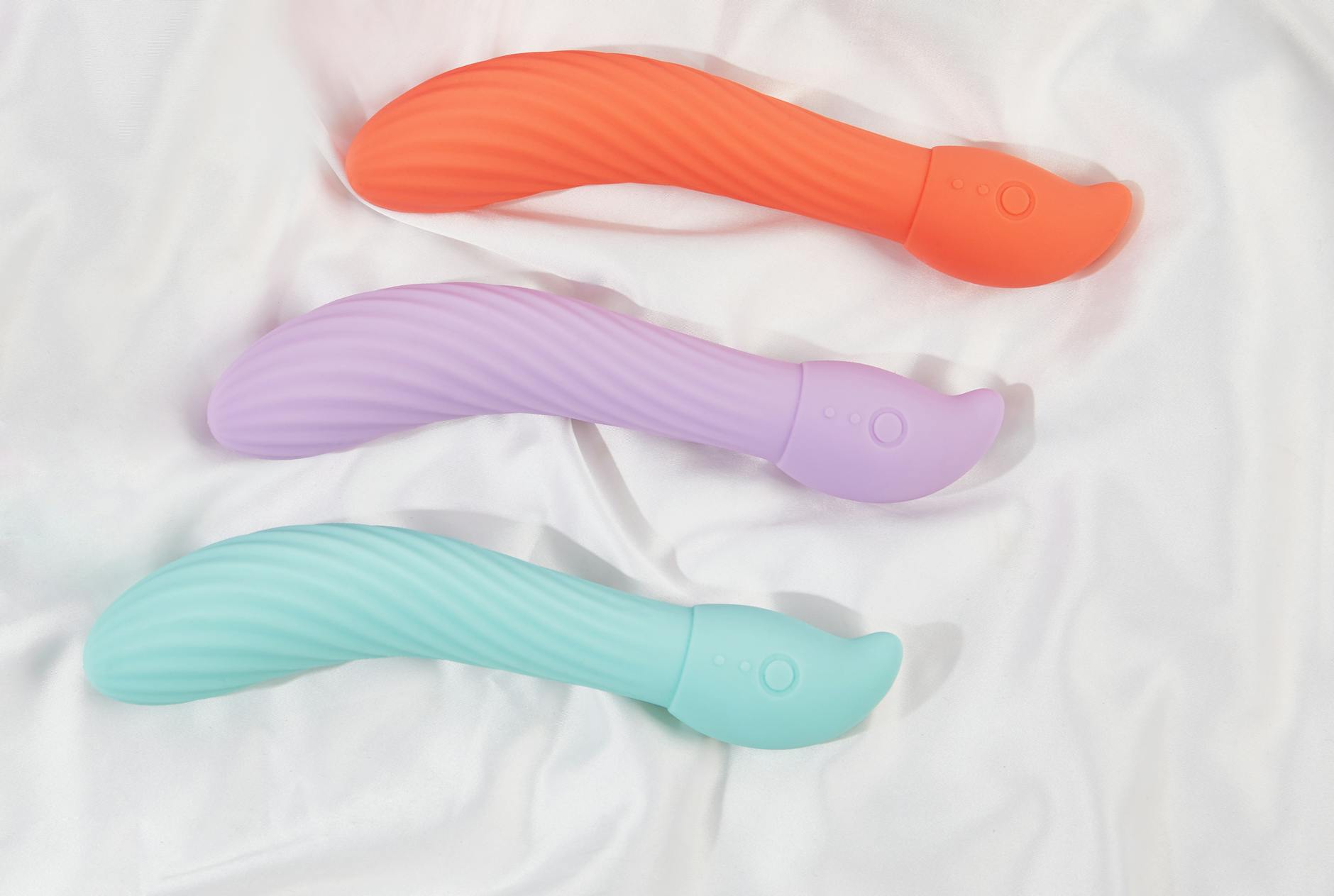
Photo by IFONNX Toys on Pexels
How to actually use a lemon vibrator when sensation feels numb
Start low. The instinct is to crank the intensity to compensate for numbness. Don't. Your nervous system is essentially sensory-fatigued. High intensity on day one will just make you numb faster. Instead:
Week 1: Exploration only. Use your lemon vibrator on the lowest pattern, longest duration. Don't expect orgasms. Don't expect intensity. Just notice what you feel. Tingling. Warmth. Texture. The goal is to rebuild the signal between your body and your brain that touch registers.
Week 2-3: Pattern variation. Start moving through patterns. Spend 2-3 minutes on each. Notice which patterns feel most like recognizable pleasure (not orgasm, just good sensation). Your preferences will probably surprise you. Many women find that the mid-range patterns (not the most intense) feel best.
Week 4 onward: Duration and intention. Now you can extend sessions to 15-25 minutes if you want. This is when orgasms often appear, but that's not the point. The point is that your nervous system has remembered sensation is safe. Pleasure is available. You don't need to earn it or prove you're desirable enough.
If you're partnered, this matters: do this alone first. Your nervous system needs to rebuild the pathway without the added complexity of managing another person's experience or your anxiety about your body.
What changes when you reconnect
Most of my clients report three shifts within 4-6 weeks of regular use.
First, sensation expands beyond your clitoris. Touch on your inner thighs, breasts, neck starts to register again. Your nervous system hasn't forgotten where pleasure lives. It's just been turned down. Lemon vibrators turn the volume back up.
Second, desire returns differently. It's not the spontaneous spike of desire you might have felt at 25. It's intentional. You want pleasure because you've reconnected with how good it feels, not because your body is running an automatic program. For many women, intentional desire is actually deeper.
Third, your relationship with your body shifts from "what's wrong with it" to "what works for it now." That's not small. That reframe alone changes how you move through the world.
If nothing changes after a few weeks
Sometimes numbness runs deeper than estrogen or nervous system fatigue. Sometimes there's pain you're not naming. Sometimes there's grief about aging or relationship changes that your body has learned to protect against by shutting down sensation.
If you've given yourself a genuine four-week trial (not expecting orgasms, just noticing sensation) and nothing shifts, talk to someone. A therapist who specializes in midlife transitions. A gynecologist who knows about genitourinary syndrome of menopause (GSM). A relationship counselor if partnership dynamics have become part of the shutdown.
Tools help. But sometimes you need someone to help you understand why your nervous system decided numb was safer than open.
The longer conversation
Using a lemon clitoral vibrator isn't about returning to what pleasure felt like at 25. It's about discovering what it feels like at 45 or 55 or 65. That version is often richer. You know your body better. You're less interested in performance. You have permission to take time. You understand that pleasure is maintenance, not luxury.
Reconnecting with sensation after 40 is possible. Your body hasn't forgotten how to feel. It's just been waiting for you to decide that you're worth the time it takes to remember.
People also ask
Can lemon vibrators work if I'm completely numb to touch?
Yes, but differently than if you have some sensation. Start with the gentlest pattern and give yourself at least 4-6 weeks before expecting change. Some women find that daily 5-minute sessions work better than longer, less frequent ones. The consistency matters more than the duration. You're basically retraining your nervous system's sensitivity settings.
Do I need to use a lemon vibrator every day to reconnect with pleasure?
No. Three to four times per week is a solid baseline for most people. Some women do daily sessions for the first month, then space out. Others do twice weekly and that's enough. The key is consistency, not frequency. Your nervous system responds to reliability. If you use it randomly, it stays confused about whether sensation is safe to notice.
What if my partner wants to be involved?
Solid boundaries first. Use it alone until you feel comfortable. Then, if you want to involve a partner, they should understand that the point isn't their pleasure or performance. It's your reconnection with your own sensation. Some couples find that watching or using it together during partnered sex works beautifully. Others prefer to keep this exploration private. Both are fine.
Are lemon vibrators safe if I have vaginal atrophy or thinning tissue?
Yes. In fact, suction-based stimulation is gentler on thinned tissue than traditional vibration. Use water-based lubricant anyway. It's not because you're broken. It's because your nervous system responds better to smooth sensation than to friction. Lubrication makes the experience more sensual, not more pathological.
How long before I notice a difference?
Some women feel a shift in sensation within the first week. Others take a full month. The brain's pleasure pathways rewire slowly, especially if they've been quiet for years. If you're evaluating whether this is working, ask yourself: "Is sensation returning?" not "Am I having earth-shattering orgasms yet?" The orgasms come. First comes the signal that pleasure is safe.
What if pleasure reconnects but desire still doesn't?
Then there's something else happening. Desire and sensation are different. You can feel pleasure without wanting sex. That often means there's a relationship dynamic, a grief, a health issue, or a simple mismatch between what you want your sexuality to look like and what's actually on offer. That's worth exploring with someone trained to help untangle it. A lemon vibrator gets the sensation part. A therapist helps with the rest.
Final thought
I want to be direct about something. The culture tells you that pleasure is a young woman's game. That after 40, you should be grateful for what you get, not asking for more. That if your body doesn't respond the way it used to, maybe that's a sign to accept less.
That's a story designed to make you small. Your body at 40, 50, 60 is not less capable of pleasure. It's differently capable. And sometimes, differently means better. Lemon vibrators help you find that.
You deserve to feel good. Not because you've earned it. Not because you're still desirable enough. Because sensation and pleasure are part of what makes you alive. After 40, they're non-negotiable.