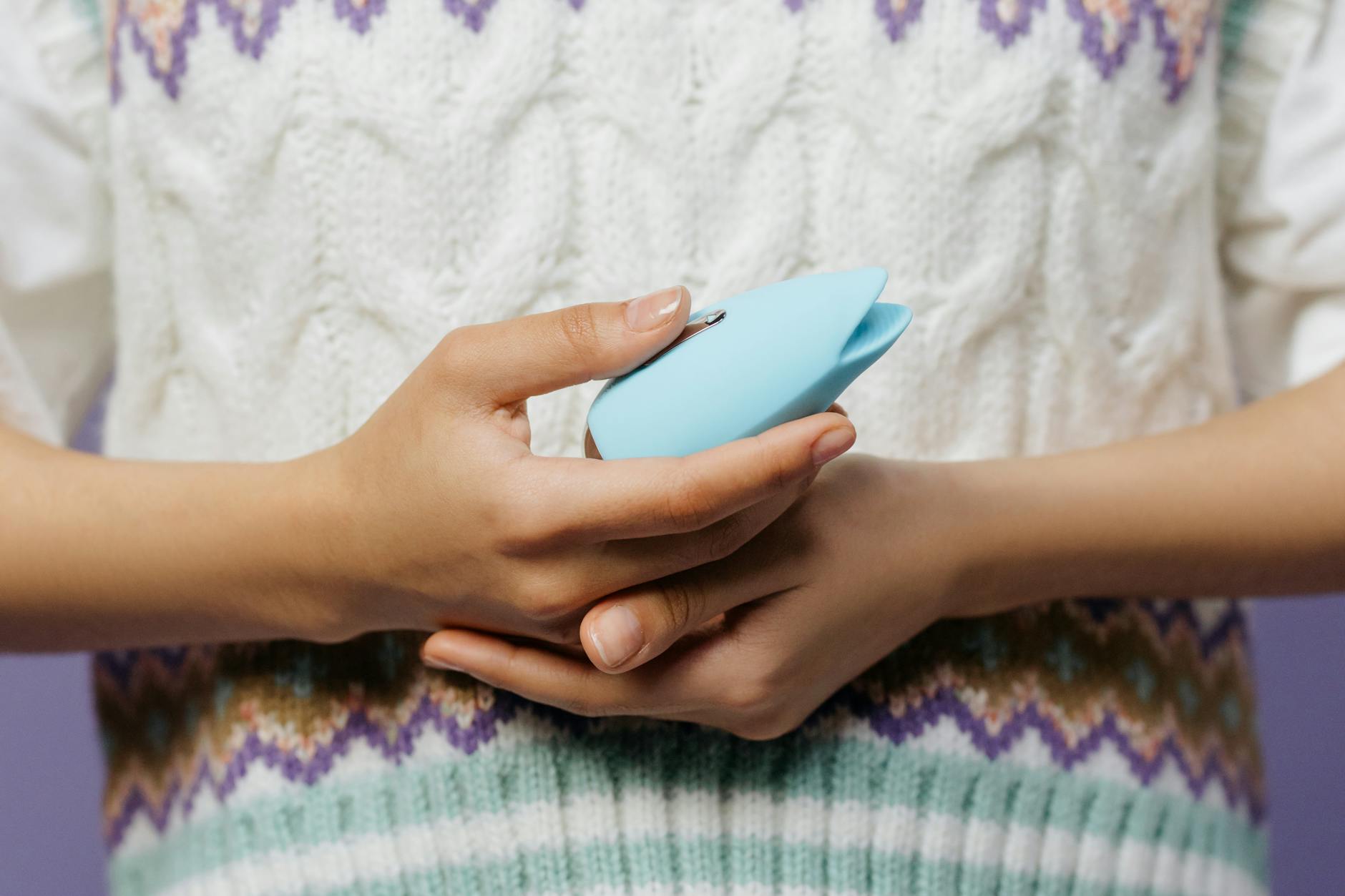
Let's start with what nobody tells you about grief and sex
Grief kills desire on purpose. Your body is not broken. It's protecting you. When you lose someone important, your nervous system floods with cortisol and adrenaline. Your brain deprioritizes pleasure because it's in crisis mode. Sex doesn't feel good, doesn't feel wanted, doesn't feel like it matters. This can last for weeks, months, sometimes longer.
What people get wrong is thinking this means you'll never want it again. You will. But the path back looks different than you think.
The physiology of desire after loss
Grief affects sex in three overlapping ways. First, the neurochemical crash. Dopamine and serotonin drop when you're processing loss. These are the exact chemicals that make sex feel rewarding. Without them, even physical stimulation feels muted or hollow. Second, the nervous system stays activated. Your body is still in defense mode. Touch can feel threatening or intrusive, even from a partner you love. Third, there's the emotional weight. Sex requires presence. When your mind is cycling through grief, presence is nearly impossible.
Here's what's important: none of this is permanent. Your brain will eventually recalibrate. Dopamine will rise again. Your nervous system will settle. When it does, you'll want to reconnect to your body. That's where lemon vibrators come in.
Why air-pulse toys help when you're ready
When grief starts to lift, traditional vibrators often feel wrong. They're too familiar, too tied to "before," or they require too much directness when your tissues are sensitive from months of not being touched. Lemon clitoral vibrators work differently. They use suction and pulsing patterns rather than direct vibration. This matters because suction stimulates the clitoral complex without requiring the same precision or intensity.
Think of it this way. After grief, you're relearning your body. You need something that meets you where you are, not where you used to be. Lemon vibrators are forgiving. They let you explore at your own pace. You can start at the lowest setting and move up only when it feels good. There's no performance, no "am I doing this right," just sensation.
The emotional work comes first
Before you use any toy, you have to check in with yourself. Grief and desire are not separate systems. If you're still actively grieving, reaching for a vibrator might feel like you're betraying the person you lost or moving on too fast. That's a conversation between you and your values, not something a toy can fix.
I recommend asking yourself three questions. First: Am I reaching for this because I genuinely want to reconnect to pleasure, or because I think I should? Second: If I'm partnered, have we talked about what restarting intimacy means right now? Third: Do I feel safe in my body? If the answer to any of these is "no" or "I don't know," that's information. You can wait. There's no deadline.
How to actually start using them again
When you're ready, here's what I tell people. Set aside time when you won't be interrupted. This isn't about productivity or orgasm. It's about reconnecting to sensation. Start with your body first. Lie down. Notice where you feel tense. Breathe into those places for a minute. Then, apply water-based lubricant to your vulva, even if you don't feel aroused yet. Lubrication is not about readiness. It's about comfort.
Start with your lemon vibrator on the lowest setting. If it's the Lem or a similar clitoral vibrator, begin with pattern one or two. The suction should feel like a gentle pull, not a vacuum. Let it sit for a few seconds before you move it. Notice what that feels like. Move slowly. Pressure is optional. You're not trying to orgasm. You're trying to remember that your body can feel good.
If nothing happens, that's fine. If it feels weird or uncomfortable, that's also fine. The first time is always strange when you're relearning. Do this three or four times before you decide whether it's working for you.
When you're partnered, talk about the pause
If you have a partner, grief is a couple's experience, even if only one person experienced the loss directly. Your partner might be waiting for you to want sex again. They might feel rejected or disconnected. That's real and valid. But they also need to understand that grief is not the same as "not wanting them."
I recommend having this conversation outside the bedroom. Say something like: "I'm starting to feel ready to reconnect physically. I'm going to explore some things on my own first to remember what feels good. That doesn't mean I don't want us to be intimate. It means I need a little runway." Then, use your lemon vibrator solo. Once you remember what pleasure feels like, partnered intimacy becomes possible again.
Common hiccups and how to work through them
Some people find that using a vibrator reminds them of what they're grieving. If that happens, pause. It's okay. Pause for a week and try again. Grief is not linear. You'll have days when you feel ready and days when you don't. That's normal.
Others find that sensation still feels muted. If that's you, first check your lubricant. Water-based lubes are essential. Second, give it more time. Neurochemical recovery takes weeks. Third, try different patterns. Many lemon vibrators have multiple settings. Pattern three might feel better than pattern one. Experiment without judgment.
If you're partnered and your partner wants to involve themselves in this process, great. But that's your call. Solo reconnection is often the gentler path. You get to set the pace.
The timeline no one wants to hear
There is no right timeline. Some people feel ready to restart intimacy within weeks of loss. Others take six months or longer. Both are normal. Your body is not behind. It's exactly on schedule for what you've been through.
What matters is not speed. It's permission. Give yourself permission to want pleasure again. Give yourself permission to use tools that help you reconnect. And give yourself permission to take as long as you need. Lemon clitoral vibrators are just a tool. The real work is believing that you deserve to feel good again.
Frequently asked questions
Can I use a lemon vibrator while I'm still actively grieving?
Yes, if it feels right to you. But "can" is different from "should." If using it makes you feel worse, guilty, or disconnected from your grief, wait. Your pleasure is not a betrayal of the person you lost. But it also doesn't have to happen before you're ready.
How do I know if I'm using the vibrator too early?
You'll know. It will feel hollow or joyless. You might feel anxious or sad during or after. If that happens, put it away. There's no rush. Your body will ask for pleasure again when it's genuinely ready.
Should I tell my partner I'm using a lemon vibrator?
That depends on your relationship and your communication style. If you usually share that stuff, yes. If you don't, you're allowed to keep it private. There's no rule here. What matters is that you're honest with yourself about why you're doing it.
What if sensation still feels numb even with a lemon vibrator?
Mild numbness is normal for months after loss. If it persists beyond six months and you're not on antidepressants, check in with your doctor. If you are on antidepressants, that might be contributing. That's a conversation for your prescriber. In the meantime, lower-intensity sensation tools like lemon vibrators are often gentler than traditional vibrators.
Is it okay to use a lemon vibrator with a partner when we're both grieving the same person?
Absolutely, if you both want to. Shared grief sometimes brings people closer. But also, sometimes people grieve at different speeds. Honor that. You might be ready when they're not, or vice versa. That's not a problem to solve. It's information.
How often should I use a lemon vibrator when restarting?
Start with once or twice a week. Notice what feels good. Some people find daily exploration helpful. Others prefer weekly. There's no right answer. What matters is that it feels nourishing, not obligatory.
Grief is the longest conversation you'll have with loss. Pleasure is not disrespectful to that conversation. It's you, slowly, coming back to yourself. A lemon vibrator is just the beginning.