Let's talk about the medication nobody mentions
Blood pressure meds work. They keep you alive and healthy. But they also change how your body responds to touch, arousal, and orgasm. Your doctor probably didn't bring this up. Most don't. So you're left wondering if it's the medication, your age, your relationship, stress, or something broken inside you. The answer is usually simpler: it's the medication, and it's fixable.
Here's what you need to know about using lemon vibrators and other clitoral vibrators when you're on antihypertensive medication, and how to reclaim the pleasure you deserve.
How blood pressure meds affect sexual response
Antihypertensive drugs work by relaxing blood vessels and reducing the force of your heartbeat. This is great for your cardiovascular system. It's less great for genital blood flow, which is literally what makes arousal happen.
When blood vessels relax, less blood reaches the clitoris and surrounding tissue. This means:
- Arousal takes longer to build
- Orgasms may feel less intense or harder to reach
- Sensation can feel muted or distant
- Lubrication might decrease
- You might feel disconnected from pleasure even when you want it
The most commonly prescribed classes of blood pressure medication that affect sexual function are ACE inhibitors, beta-blockers, and diuretics. If you're on one of these, you're not imagining the difference. It's real, it's common, and it's not your fault.
Why lemon clitoral vibrators help when meds slow you down
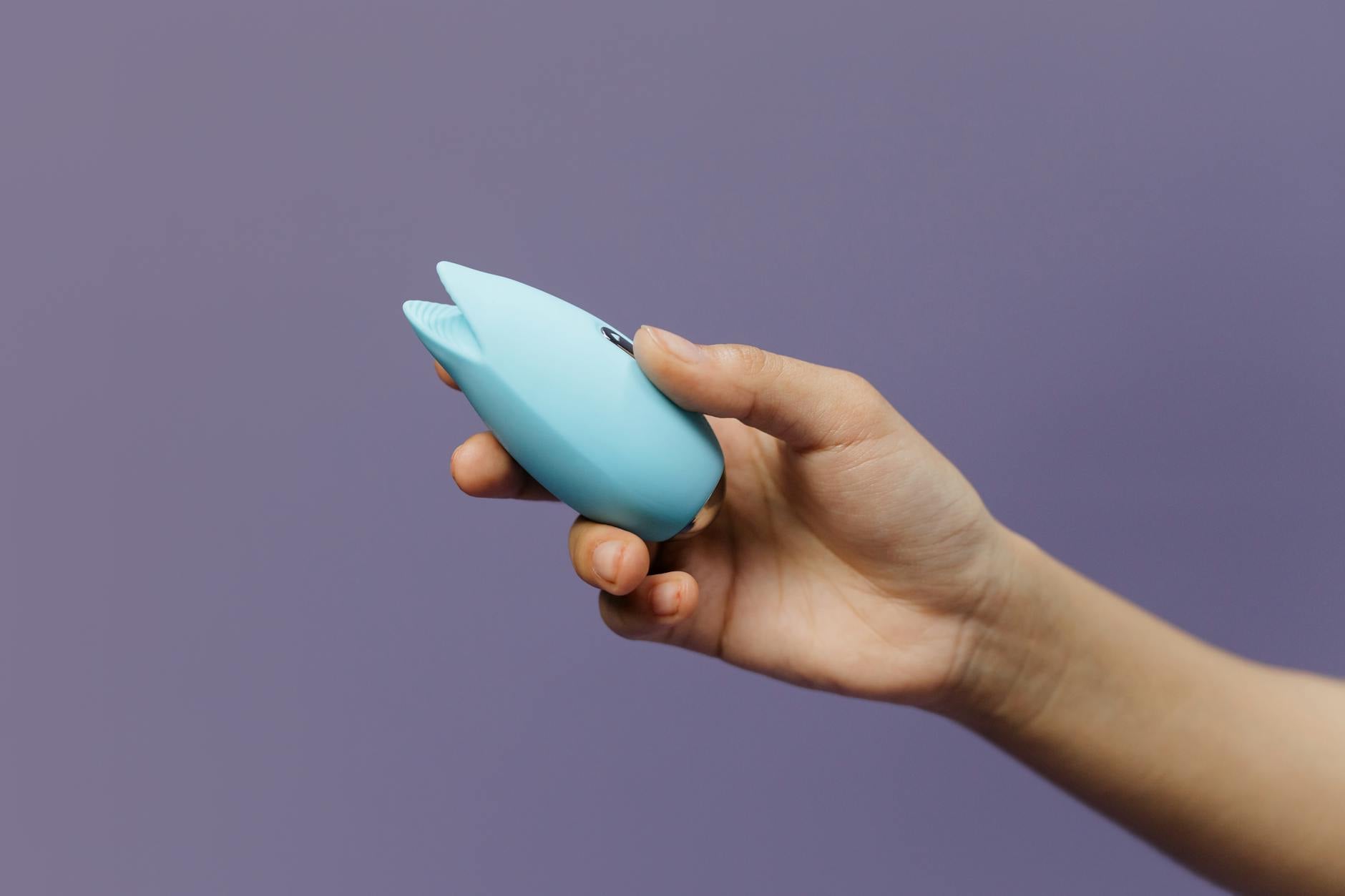
A lemon vibrator or any clitoral vibrator works by delivering consistent, focused stimulation directly to the clitoris and surrounding nerve tissue. When blood flow is compromised by medication, this external stimulation compensates by:
- Creating sensation through vibration alone, independent of blood vessel dilation
- Reaching nerves that might otherwise stay quiet
- Building arousal faster than manual stimulation typically can
- Bypassing the need for sustained genital blood flow to feel something
Unlike other lemon sexual toys or penis-focused options, a clitoral vibrator targets the area with the highest concentration of nerve endings. For people on blood pressure medication, this directness matters. You're not waiting for arousal to cascade slowly through your body. You're activating pleasure directly.
The timing adjustment that changes everything
One of the simplest fixes is timing. Most blood pressure medications reach their peak effectiveness 1-2 hours after you take them. This is also when sexual side effects are strongest.
If you take your medication in the morning, plan solo or partnered play in the evening, 8-12 hours after dosing. If you take it at night, mornings or early afternoons become your window. You're not avoiding the medication. You're timing pleasure around its pharmacokinetics.
Another option: talk to your prescriber about taking your dose at bedtime instead of morning, if your blood pressure pattern allows it. This moves the medication's peak effect away from your waking hours. Not all medications can be shifted this way, but many can. It's worth asking.
How to adjust your lemon vibrator technique
When sensation is dampened, technique shifts. Here's what works:
Start with a longer warm-up. You might normally need 5-10 minutes of foreplay or manual stimulation before reaching for a vibrator. Now budget 15-20 minutes. This gives your body time to build arousal despite the medication's dampening effect. Use this time to focus on non-genital touch, mental arousal, or simply being present.
Use the vibrator earlier in the session. Don't save it as a finale. Introduce a lemon clitoral vibrator or other clitoral vibrator 5-10 minutes in, so it has time to work with your body's natural response rather than trying to push you over a plateau.
Start at lower intensity and stay there longer. Many people using lemon vibrators instinctively jump to higher patterns. When your baseline sensation is already muted, this can feel harsh or overstimulating. Start at pattern 1 or 2 and let your nervous system adjust. Stay there for 3-5 minutes before escalating. You might never need to go higher, and that's fine.
Add lubricant even if you don't think you need it. Blood pressure meds reduce natural lubrication. Water-based lube reduces friction, which means the vibrator works more effectively and feels better on tissue. This is not a sign something's broken. It's a practical adjustment.
The emotional piece your doctor didn't mention
Loss of sensation from medication hits differently than aging or hormonal shifts. It often arrives suddenly and feels like a punishment for taking care of your health. The internal dialogue goes: "I'm doing the right thing medically, but it's killing my sex life." This creates real psychological friction that can make arousal even harder.
Here's what I tell my clients: medication side effects are a legitimate health concern, and they're worth addressing directly with your prescriber. You're not being vain or selfish. Sexual function is part of overall health and quality of life. Full stop.
If you have a partner, this is also not your job to fix alone. Blood pressure medication affects both of you. Talking about it together removes the shame and opens space for actual solutions, whether that's timing adjustments, using lemon vibrators together, or exploring new ways of being intimate that don't depend on sensation you currently don't have.
When to talk to your doctor about switching
Not all blood pressure medications have equal sexual side effects. Beta-blockers and ACE inhibitors are the heaviest hitters. Some people do better on calcium channel blockers or ARBs (angiotensin II receptor blockers), which have lower rates of sexual dysfunction.
This is a legitimate reason to revisit your medication plan with your doctor. Bring it up directly: "The medication is working for my blood pressure, but it's affecting my sexual function. Are there alternatives with fewer sexual side effects that would work for me?" Your prescriber can't help you with a problem they don't know exists.
Don't stop taking medication without guidance. But do advocate for your full health, including pleasure and sexual function.
The practical toolkit for staying connected
When blood pressure medication dulls sensation, pleasure becomes something you have to be intentional about. This is actually where lemon vibrators and clitoral vibrators excel. They transform pleasure from passive (waiting for arousal to happen) to active (creating the conditions for it).
A few other tools to layer in:
Erotic audio or video. When physical sensation is muted, mental arousal becomes more important. Spending 5-10 minutes with something that speaks to you mentally helps build the cognitive arousal that supplements physical sensation.
Partner stimulation, if applicable. If you have a partner, having them use the vibrator on you can add psychological turn-on that your own hand doesn't. It also removes the pressure of performance and lets you focus on receiving.
A consistent practice. Using your lemon vibrator or clitoral vibrator regularly, even when you're not chasing orgasm, helps your nervous system recalibrate. Pleasure is a skill when medication has dampened it. You rebuild it through practice.
FAQ: Blood pressure meds and lemon vibrators
Q: Will using a vibrator while on blood pressure medication be dangerous? A: No. The vibrator isn't affecting your cardiovascular system. It's simply providing external stimulation. Your blood pressure medication is still doing its job. If you have specific cardiac concerns, mention vibrator use to your doctor, but for most people on standard antihypertensives, vibrators are completely safe.
Q: Can blood pressure medication permanently kill my sex drive? A: Sexual side effects from blood pressure medication are usually reversible. They persist while you're taking the medication, but they don't cause lasting damage. If you switch medications or adjust your dose, sensation typically returns. Libido is more complicated and often tied to relationship and psychological factors alongside medication, but the physical sensation part is adjustable.
Q: How long does it take to adapt to using lemon vibrators on medication? A: Most people notice a shift within 2-3 weeks of regular practice with adjusted timing and technique. Your body learns to work with the medication's constraints. Patience matters here more than with people not on blood pressure meds.
Q: Is it okay to use lemon sexual toys if I'm also on other medications? A: Almost always yes. Vibrators are external devices. They don't interact with medications. If you're on something that affects sensation or blood flow, vibrators can actually be more helpful. That said, if you have questions about your specific medication stack, ask your pharmacist or doctor.
Q: Can I take something to counteract the sexual side effects instead of switching medication? A: Some people find that adding a medication like sildenafil (Viagra) helps offset blood pressure medication's dampening effect, but this requires a conversation with your prescriber. It's not a first-line fix, and it's not suitable for everyone. Usually, timing, technique, and vibrator use address the issue without adding more medication.
Q: Will the lem vibrator or other lemon clitoral vibrators work better than traditional vibrators on blood pressure medication? A: The design of the lemon vibrator and similar clitoral vibrators makes them particularly effective when sensation is muted, because they focus stimulation precisely where it matters most. Whether you choose the lem or another lemon vibrator depends on your preferences, but targeted clitoral vibrators tend to outperform generic options in this scenario.
The bottom line
Blood pressure medication doesn't mean the end of pleasure. It means adjusting how you approach it. Timing your medication and intimacy apart, using lemon vibrators or clitoral vibrators with intention, building longer warm-ups, and talking openly with both your doctor and your partner all make a real difference.
Your health matters. Your pleasure matters too. They're not in conflict. If your current medication is dampening sensation too much, there's space to adjust. And in the meantime, a good clitoral vibrator gives you back agency over your own pleasure, medication or not.
Ready to explore what works for your body? Start by identifying your medication window, grabbing some water-based lube, and giving yourself permission to take the time you need. Pleasure isn't a race, especially when you're managing health alongside it.
Sources
Fazio, G., Sesti, G., & Natali, A. (2004). "Sexual dysfunction in hypertensive patients treated with beta-blockers and ACE inhibitors." Journal of Clinical Hypertension, 6(1), 10-17.
Mallis, D., Mouzakis, K., & Gonidakis, F. (2015). "Sexual dysfunction in patients on antihypertensive drugs." Hellenic Journal of Cardiology, 56(2), 150-158.
Mundal, R., Sharma, K., & Sharma, K. (2020). "Cardiovascular medications and sexual function: A comprehensive review." American Journal of Cardiovascular Drugs, 20(4), 451-470.