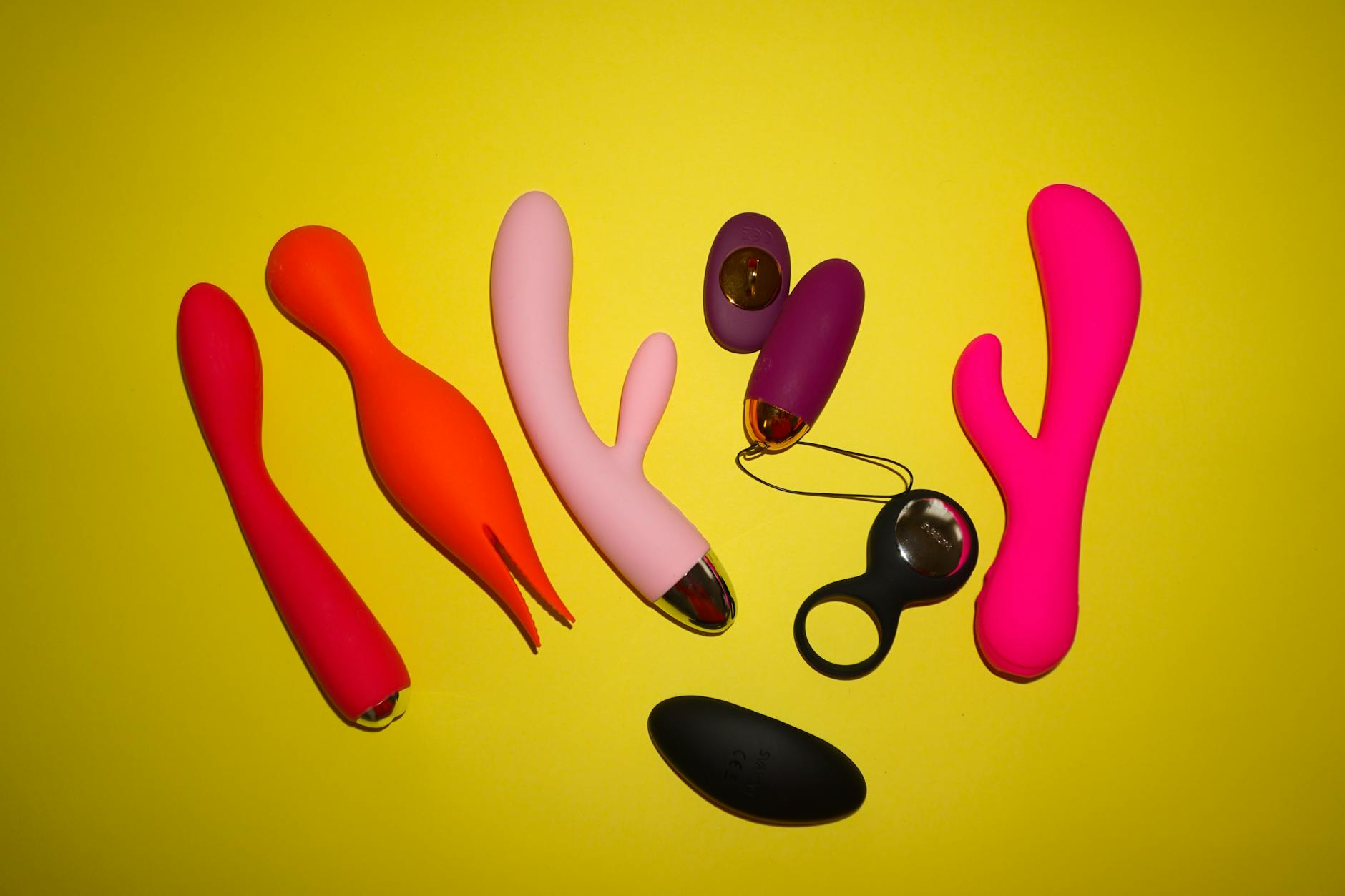
Here's the thing about new partners and vibrators
There's this moment early on, usually in the dark, where someone thinks: should I mention this? Most people don't. They hide the vibrator, pretend they don't own one, or worse, worry that bringing it up signals something's wrong with the sex you're already having. None of that is true, and all of it makes the experience smaller and more secretive than it needs to be.
Introducing a lemon clitoral vibrator to a new partner isn't about fixing anything. It's about expanding what's possible. And it starts with a conversation that doesn't have to be scary.
Why the conversation matters more than the toy
If you've never brought a vibrator into partnered sex before, the toy itself isn't the risk. The risk is silence. Silence creates assumptions. He thinks you're not satisfied. She thinks you're keeping secrets. You think they'll feel threatened. Nobody knows what anyone actually wants, so everyone defaults to caution.
The lemon vibrator changes this because it's external, unambiguous, and impossible to misinterpret as replacement. Unlike penetrative vibrators, a clitoral suction toy like the Lem removes the "threat" narrative entirely. You're adding intensity to your existing rhythm together. You're not swapping partners.
That clarity alone dissolves most of the awkwardness.
How to open the conversation without cringing
Timing matters. Don't do this mid-sex or as you're heading to bed. Pick a moment that's intentional but casual. Over coffee. While watching something. In the car after dinner. Somewhere you're both clothed and can actually make eye contact.
Start with honesty about why, not guilt about what. Try: "I've been thinking about how we could make things feel even better. I have this toy I really like, and I'm curious what would happen if we used it together." That's it. You're not confessing. You're proposing.
If there's hesitation, ask what's underneath it. Sometimes partners worry they're not enough. Sometimes there's a misconception about what vibrators do. Address the actual concern, not the surface objection. If he says "I didn't know you wanted this," the issue isn't the toy. It's that you haven't talked about desire yet.
Understanding your partner's response
Some partners will be immediately enthusiastic. Some will need time. Some will want to know exactly how it works, what it feels like, why you chose that particular toy. All of these are normal.
What's not normal? Shaming you for owning toys or refusing to discuss it. That's a boundary issue, not a toy issue. But most people are just uncertain, and uncertainty dissolves fast once you normalize the conversation.
A practical move: show them the actual toy. Let them hold it. Turn it on so they hear how quiet it is (lemon vibrators are genuinely quiet). Seeing and hearing it real demystifies it faster than any explanation. You're removing mystery, which is the antidote to anxiety.
The first time using it together
Don't make it a whole production. You're not staging a performance. You're adding a tool to your existing repertoire.
Most couples find it easiest to introduce during foreplay, not as the main event. You're already close, already focused on each other. Then, when things are building, you reach for it. Your partner can still touch you, still be inside you or kissing you. The vibrator isn't replacing their role. It's amplifying yours.
Start on a lower setting. The Lem has multiple intensity levels for exactly this reason. You're calibrating together, finding what feels right in this moment with this person. That's collaborative. That's the whole point.
If your partner is inside you, the angle matters. The clitoral vibrator works best from the front and slightly to the side. Experiment a little. This is information gathering, not performance.
Communication during and after
Lots of couples go quiet during sex. With a new element, you might need to talk slightly more. Not pillow-talk or narration, just check-ins: "Does this feel good?" "Want me to change the setting?" "Should we keep going?"
This isn't awkward. This is connection. Honestly, couples who can name what they want in bed stay together longer. That's not romantic poetry. That's just data.
Afterward, a quick debrief helps. Not an analysis. Just: "That was really good" or "Let's try it differently next time" or "I loved watching you respond." You're building a shared language around pleasure, which is the opposite of shame.
When he or she gets anxious
Some partners feel displaced by the vibrator. If this happens, it's worth naming directly: "I love this with you. I love what we do together. This just adds to it. It doesn't replace you."
If your partner is worried about performance or inadequacy, you might say: "Your hands, your body, your attention to me matters. This toy makes it easier for me to come. That means more energy for us, not less."
If they want to control the toy themselves, that's actually really hot and often solves the anxiety immediately. Some partners love holding a lemon clitoral vibrator on their partner's body while inside them or kissing them. It becomes collaborative rather than separate.
Building a shared toy practice
Once you've used it once, it gets easier. The second time you'll both be more relaxed. By the fourth or fifth time, it's just part of your sexual toolkit. Like lube or foreplay, it's a variable you adjust based on what you both want that day.
Maybe some nights you use it. Maybe some nights you don't. Maybe your partner discovers they want to explore other toys, or maybe this particular lemon vibrator becomes your go-to. The point is, you've opened a door that doesn't close.
You're also modeling something important for each other: that it's okay to ask for what feels good. That pleasure matters. That your body's response is valid and worth tending to. Those conversations ripple into other areas of your relationship.
When to see a couples therapist
If your partner refuses to discuss the toy, shames you for wanting it, or makes you feel broken for owning one, that's not a toy problem. That's a values problem or a respect problem. A couples therapist can help you both get curious instead of defensive, but that work happens in the therapy room, not in the bedroom.
Similarly, if you're using toys to avoid real intimacy or connection, or if you're both hiding behind toys instead of talking about what's actually wrong in the relationship, that's worth exploring with someone trained in this work.
But for most new couples? Introducing a lemon vibrator is just growing together. It's communication. It's saying your pleasure matters, and I want to explore that with you.
FAQ: New Partners and Lemon Vibrators
What if my new partner thinks vibrators mean the relationship won't last?
That's actually a misconception worth addressing directly. Couples who communicate about sex, including toys, tend to have longer relationships and more satisfaction. You're not creating distance by bringing a toy. You're creating intimacy through honesty. Frame it that way.
Should I mention I own toys before or after we first have sex?
After is usually better. Once you've built some physical intimacy and trust, adding the conversation is easier. You're not walking in with a surprise. You're extending something that already exists.
What if my partner wants to pick the toy instead of using mine?
That can actually be fun. Shopping together, choosing something new that neither of you has used before, removes the feeling of "this is what she already does." If you go that route, choose something like a lemon clitoral vibrator that's intuitive and reliable.
Can I use a clitoral suction toy during penetration?
Yes. That's one of the biggest benefits of toys like the Lem. You can use it while your partner is inside you, which many couples find intensifies everything. Start with lower settings so the sensation isn't overwhelming.
What if I feel awkward being vulnerable about wanting this?
That's completely normal. You're literally saying "I want to feel really good, and here's what helps." Being that clear about your pleasure is vulnerable. That vulnerability also tends to deepen intimacy faster than almost anything else.
How often should we use toys if we're new together?
As often as it feels natural. There's no schedule. Some couples use them every time. Some use them once a month. Follow what feels good instead of forcing a frequency. The point is that it's available, not that it's mandatory.
Final thought: introducing lemon vibrators with a new partner isn't about proving your relationship is advanced or open-minded. It's about saying your pleasure is normal, worth protecting, and worth exploring together. That conversation, more than the toy itself, changes everything.