The thing nobody tells you about relationship conflict and sex
When a couple is fighting, sex doesn't just get less frequent. It gets harder to access at all. Your body stops cooperating. Arousal feels distant, sometimes impossible. You might intellectually want to reconnect with your partner, but your nervous system has closed the door.
This isn't dysfunction. It's a protective mechanism. When you feel unsafe or emotionally distant, your body's pleasure response literally downregulates.
The good news: lemon vibrators are one of the fastest ways to rewire that response, whether you're using them alone to remember what pleasure feels like, or eventually with a partner to rebuild intimacy.
Why stress specifically kills desire
When you're in conflict with a partner, your body floods with cortisol. That stress hormone is useful for fight-or-flight situations, but it directly suppresses the neurochemicals you need for arousal—dopamine, norepinephrine, and acetylcholine. Your clitoris becomes harder to stimulate. Lubrication takes longer. The sensation of touch might even feel muted or uncomfortable.
Add to that the emotional piece: resentment, anxiety about the relationship, or the simple exhaustion of unresolved conflict creates a mental barrier between you and pleasure. You're not broken. Your system is doing exactly what it's designed to do.
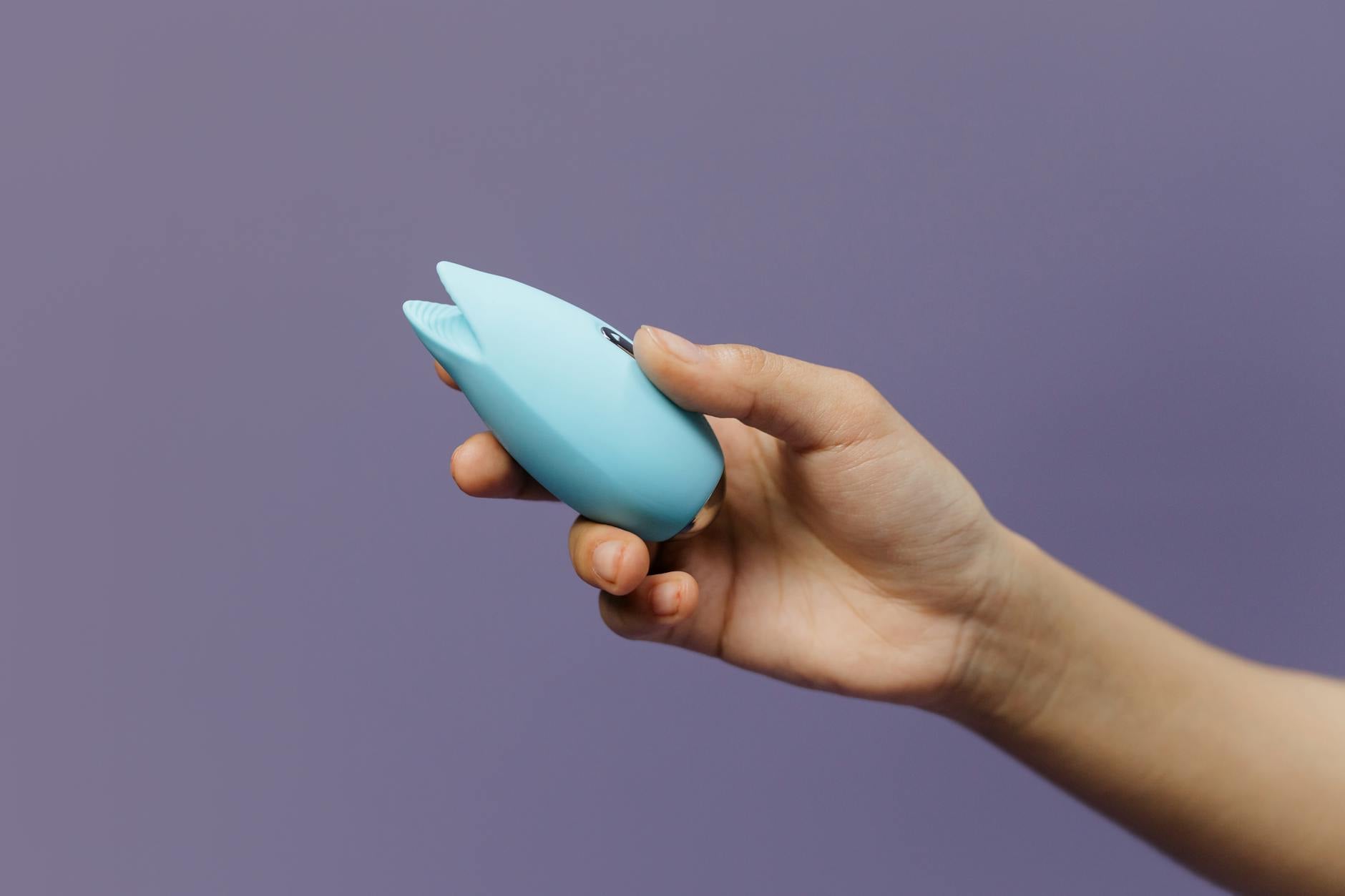
The thing that makes lemon clitoral vibrators so effective here is that they work around that barrier rather than fighting it. Because suction stimulation bypasses some of the friction-dependent sensitivity that's most easily suppressed by stress, many people find sensation returns faster with a lemon vibrator than it would with manual touch or traditional vibration alone.
The first step: using a lemon vibrator solo to rebuild trust in your body
Let's be direct. If you're in relationship conflict and your desire has tanked, trying to have sex with your partner right now probably won't work. Forcing it will only cement the barrier further.
Instead, spend time alone with a lemon vibrator. This isn't selfish or a detour from fixing the relationship. This is rebuilding the neural pathway between your body and pleasure. When your nervous system is in protection mode, pleasure feels risky. Using a lemon vibrator solo, in a space where you feel genuinely safe, teaches your body that sensation is available again.
Start with low intensity. If you have a device like the Lem vibrator, begin on pattern 1 or 2. The goal isn't orgasm (though that's fine if it happens). The goal is simply sensation. Spend 10-15 minutes noticing what you feel, without pressure.
Many people find that after a few solo sessions with a lemon sucker, their baseline sensitivity starts to return. The mental weight lifts slightly. That's the nervous system beginning to downshift from protection mode.
Why lemon vibrators specifically help with stress-related desire loss
There are a few reasons lemon clitoral vibrators outpace other tools for this particular problem.
First, suction stimulation is gentler on the tissue. When your body is stressed, the delicate skin around your clitoris can feel tender or oversensitive. The Lem vibrator's suction mechanism provides broad, consistent stimulation without the sharp friction of traditional vibrators. That feels safer to a nervous system in protection.
Second, suction tends to work faster. Because it engages a broader surface and uses a different neural pathway than vibration alone, many people experience sensation faster. When you're trying to rebuild connection with pleasure, that quick feedback loop matters psychologically.
Third, lemon adult toys are designed for precision without intensity. You can start gentle and stay there, which aligns perfectly with what a stressed nervous system needs. This is different from trying to power through with a high-intensity wand vibrator, which can feel overwhelming rather than restorative.
The conversation with your partner (timing matters more than you think)
Here's where most couples get it wrong. They wait until they're having sex again before talking about the desire loss. By then, resentment has usually built up even more.
Instead, have the conversation before you try to be intimate again. Tell your partner what you've learned: your stress response genuinely suppressed your desire, and you're working to rebuild it. Then show them, literally. Tell them you want to use a lemon vibrator during foreplay, or even just let them watch while you use it alone. That transparency does two things. It removes shame from the picture, and it teaches your partner that your desire is coming back intentionally, not out of obligation.
Many partners find watching their significant other reconnect with pleasure—using a clitoral vibrator, whether that's the Lem or another lemon sexual toy—is actually deeply reconnecting. It's not about the device. It's about seeing your partner enjoy themselves again.
Rebuilding partnered sex after stress has cooled things
Once you've spent a week or two solo with your lemon vibrator and sensation feels more available again, you can reintroduce partnered touch. This doesn't mean full sex yet. It means kissing, hands, and eventually incorporating the lemon clitoral vibrator during foreplay.
The key is to focus on sensation over performance. Use the vibrator as part of your foreplay, not as a tool to make yourself come fast. Let your partner touch you while you're using it. Let the device build arousal slowly. This teaches your body that pleasure is connected to closeness with your partner again, which is what you're actually trying to rebuild.
If you're worried this makes things feel mechanical or less intimate, consider the alternative: continuing to have sex you're not really interested in, which deepens the emotional distance. Using a lemon sucker during sex is not a substitute for emotional repair. But it's a tool that helps your body cooperate while the rest of the relationship healing is happening.
When to pause and get support
If you're using a lemon vibrator regularly but desire still isn't coming back after two or three weeks, or if the conflict with your partner feels unresolvable, that's a signal to bring in a couples therapist or relationship coach. Sometimes desire loss is actually revealing a deeper problem—you've outgrown the relationship, or there's unhealed betrayal, or the two of you have fundamentally different needs.
A vibrator is a tool, not a fix. If the relationship itself is fractured beyond repair, no amount of sensation rebuilding will help. Better to know that clearly than to spend months trying to force intimacy back with a device.
But if the conflict is situational—a work stressor, a family crisis, a rough patch that's already starting to resolve—and desire is slowly returning, you're on the right track.
Making space for pleasure after you've rebuilt it
Here's the thing that often surprises people. Once they've used a lemon clitoral vibrator to rewire their stress response and reconnect with sensation, they realize they actually want sex more than they did before the conflict. Because they've remembered what pleasure feels like without pressure.
That's worth protecting. It means saying no to sex when you don't actually want it, even if your partner does. It means using a lemon adult toy whenever you need to, without guilt. It means understanding that your desire is information, and when it disappears, your body is trying to tell you something.
If you're rebuilding intimacy after relationship stress, you've already done the hardest part. Using a tool like a lemon vibrator to support that process is just listening to your body.
People also ask
How long does it usually take to rebuild desire after relationship conflict?
There's no universal timeline, but most couples see a shift in 2-4 weeks if they're actively reconnecting and the underlying conflict is being addressed. Some people notice sensation returning faster when they're using a lemon vibrator to practice alone first. The nervous system responds to consistency and safety, so if you're using your clitoral vibrator regularly and the relationship tension is genuinely easing, arousal usually follows.
Can using a lemon vibrator alone actually help with couple's intimacy, or does it just replace partnered sex?
It helps. When stress has suppressed your desire, your body has essentially forgotten how to be aroused. Using a lemon clitoral vibrator solo is like a reset button. It teaches your nervous system that pleasure is safe again. That translates directly to easier arousal with a partner. It's not a replacement for emotional reconnection, but it's a tool that makes physical reconnection feel possible again.
Is it normal to have zero sex drive during relationship conflict?
Completely normal. Stress suppresses arousal at the neurochemical level. Your body isn't rejecting your partner as a person. It's in protection mode because you feel emotionally unsafe. This is actually useful information. It means something needs to shift in the relationship before sex will feel good again. That shift might be a serious conversation, therapy, or time for the acute conflict to resolve.
Should I tell my partner I'm using a lemon vibrator to work on desire again?
Yes, eventually. You don't need permission to use one alone, but telling your partner frames it as part of the reconnection process, not a sign of rejection. Many people find that transparency actually accelerates intimacy repair. Your partner sees you're actively working to come back to desire, and that effort often softens their own defensiveness.
What if I use a lemon vibrator to rebuild desire but my partner still doesn't want sex?
Then you have two separate problems. One is your own arousal, which the vibrator helps with. The other is a mismatch in what your partner wants. Those need to be addressed separately. Don't assume that rebuilding your own desire will automatically fix the relationship. Sometimes it reveals that the real issue is incompatibility or deeper resentment that needs professional help.
Can I use a lemon sucker with my partner if we're still working through conflict?
Yes, but with honesty. If you're both interested in reconnecting physically, incorporating a lemon clitoral vibrator into foreplay can feel less vulnerable than partnered touch alone because it takes some pressure off performance. The device becomes a focus point rather than your bodies. Some couples find that actually softens the barrier that conflict created. Others find it's premature until they've talked more. You'll know which fits your situation.
The path forward
Relationship stress genuinely suppresses desire. That's not a personal failing. It's your nervous system protecting itself. Using a lemon vibrator to rebuild sensation in your body, starting with solo exploration and eventually reintegrating pleasure with a partner, is one of the most direct paths back to intimacy.
But the device is only part of the work. The real rebuild happens when you're honest about what broke the connection in the first place. If you'd like support thinking through how to have that conversation with your partner, or you're unsure whether the relationship is worth repairing, get in touch. Sometimes the clearest way forward is talking it through with someone who understands both the emotional and physical layers of what you're experiencing.