
Let's name the thing nobody wants to admit
Your partner isn't interested in sex anymore. Maybe they never were, or maybe something shifted. Either way, you're here because the mismatch is real, it hurts, and you're trying to figure out if it's fixable without turning every conversation into a fight. Here's the honest part: it usually is fixable. Not always, but usually.
But it starts with understanding what "uninterested" actually means, because that word hides a lot of different problems under one roof.
The difference between "low desire" and "desire for you"
These are not the same thing, and conflating them is where most couples get stuck.
Low desire can mean your partner's libido has genuinely dropped due to stress, medication, depression, burnout, or hormonal shifts. That's a physical or psychological issue. It's not about you.
Low desire "for you" means attraction, connection, or safety has eroded. That's a relationship issue. It's also not personal, but it requires a different fix.
The problem is we usually assume it's the first one when it's actually the second, or vice versa. So we either blame ourselves, or we blame their body, and both roads lead nowhere.
The Gottman Method, which I use in my practice, teaches that desire in long-term relationships isn't spontaneous the way it feels early on. It's something you build through small daily deposits of connection. When those deposits stop, desire goes quiet. A lemon vibrator won't fix that alone. But it can be part of a bigger conversation.
Why lemon vibrators matter in this specific situation
Here's what makes lemon clitoral vibrators and suction toys different from other approaches. They're not about replacing your partner's participation. They're about creating space for your own pleasure without waiting for permission.
When desire is mismatched, one partner often feels rejected, and the other feels pressured. Both of those feelings are real and neither person is wrong. The tension builds until someone gives up asking. That's when resentment sets in.
Using a lemon vibrator alone, or with your partner present but not directly involved, does something counterintuitive. It removes the demand. Your partner isn't being asked to perform or prove desire. You're taking responsibility for your own pleasure. That tiny shift can actually relieve the pressure that's been killing desire in the first place.
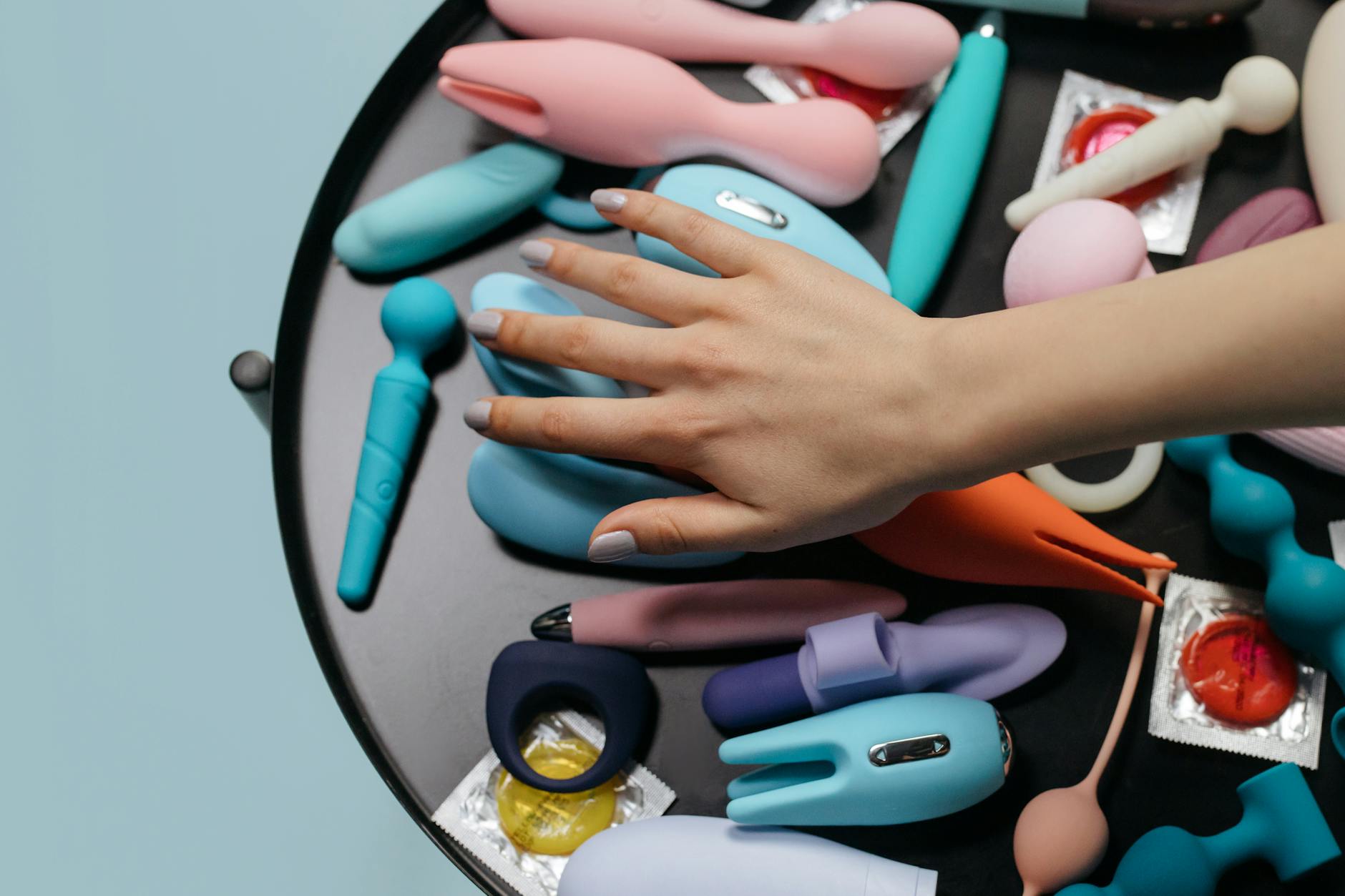
Photo by cottonbro studio on Pexels
How to introduce it without making things worse
This is where most people fumble, so pay attention.
The worst approach is springing a lemon vibrator on your partner during sex or suggesting it as a fix to "the problem." That reads as blame. It says "your desire is broken, here's a tool to fix you."
The right approach is a conversation. Not in bed. Somewhere neutral, calm, when neither of you is stressed or tired.
You're not asking for permission to use a toy. You're naming the reality that your desires don't match right now, that you care about both of you, and that you want to take pressure off by exploring your own pleasure independently. A lem vibrator lets you do that. You're inviting them to be curious about it, but not obligating them to participate.
Some partners will want to watch. Some will want to leave the room. Some will eventually want to join. All of those are fine. You're not running a test. You're creating a new normal.
What using a lemon vibrator actually does to the dynamic
Psychologically, here's what happens.
Your partner sees you taking care of yourself without needing them to be aroused. There's no performance demand anymore. That actually makes them less defensive. Defense is what kills desire. When the defense drops, curiosity can come back.
You get to experience pleasure on your own terms. That matters more than you think. Resentment dissolves faster when you're not carrying the full weight of your own unmet needs. You're meeting them yourself.
The toy becomes permission, not replacement. It's easier to talk about lemon clitoral vibrators and desire when you're not in the middle of a painful gap. The conversation becomes strategic instead of emotional.
That said, using a toy won't fix a relationship where desire is low because the relationship itself is broken. If your partner is emotionally unavailable, critical, or unfaithful, a lemon vibrator is not the solution. That needs therapy or a hard conversation about whether the relationship is worth staying in. I see this distinction get muddied constantly, and it leads to people blaming their toys instead of their relationships.
The practical setup for when you're using it together (or near)
If your partner agrees to be present, or eventually gets curious, here's what helps.
Start with a clitoral vibrator like the Lem. It's quieter than a wand, more focused, and it doesn't require penetration, so it feels less performative. Suction toys like this one take pressure off direct friction, which means you can use them longer without discomfort.
Use water-based lube. Even if your body's making plenty, the suction works better with it.
Start at a lower pattern and work up. You're not in a rush. Your partner gets to watch you figure out what feels good. That's hot to most people, honestly. It's permission to be selfish about your own pleasure, which is different from every other time they've seen sex happen.
Don't perform. Don't narrate. Just focus on what actually feels good. Most partners become more interested when they realize sex doesn't have to be about them right now.
If they leave the room, that's okay. Don't make it weird. They might come back to it later, or they might not. The point is you're not waiting around for their interest anymore.
When you need to have the bigger conversation
A lemon vibrator creates space, but it doesn't create desire if it's not there. If your partner continues to be disinterested in sex altogether, including sex with you that doesn't involve them doing much, that's a sign something else is going on.
That something might be depression, medication, hormonal shifts, sexual dysfunction, or simply that they're not attracted to you anymore. It might be that the relationship has run its course. None of those are failures of a vibrator.
At that point, you need a real conversation. You could say something like: "I care about you, and I also need physical connection. I'm not asking you to want sex you don't want. But I need to understand what's happening for you so we can figure out if this is something we can work through together."
That's not accusatory. It's clear. It opens a dialogue instead of creating a standoff.
Some partners will tell you they're dealing with stress and need help. Some will admit they've lost attraction. Some will confess they're having an affair. Some will say they just have a low libido and always have. Each of those gets a different response, but at least you know what you're actually dealing with.
When to bring in professional help
If you've had the conversation and nothing shifts after a few weeks, couples therapy is worth it. Not because your relationship is failing, but because desire mismatch is one of the hardest things couples face alone.
A good therapist, especially one trained in the Gottman Method, can help both of you understand what's really going on. Sometimes it's medical. Sometimes it's about how you fight. Sometimes it's about unmet emotional needs that have nothing to do with sex.
The lemon vibrator and other adult toys can absolutely be part of a healthy sex life, but they're not a substitute for emotional intimacy or real conversation. If your partner won't even consider therapy or honest conversation, that's information too.
FAQ
What if my partner feels threatened by a vibrator?
Some partners worry a toy means they're not enough. That's insecurity, and it's real. The conversation matters here. You might say: "A vibrator is about me learning what my body wants, not about replacing you. Different tools can coexist." If they stay threatened after honest conversation, that's a deeper issue about trust or control that actually needs attention before you add anything else to the bedroom.
Can a lemon vibrator actually improve desire in my partner?
Not directly. But it can reduce pressure, which sometimes helps desire come back. If your partner is avoiding sex because they feel inadequate, seeing you enjoy your own pleasure sometimes helps them relax. Relaxation is when desire can breathe.
How long should I wait before trying this approach?
After one honest conversation about desire mismatch, a few weeks to a month is fair. If nothing shifts after that, you're looking at either professional help or accepting this is how it's going to be. Waiting longer just breeds resentment.
What if my partner wants to use the lemon vibrator on me but never initiates on their own?
That's progress, actually. Some partners are happy to participate once the pressure is off them. That's fine. You're building connection differently than you were before. Watch for whether it's genuine participation or just compliance. Genuine feels different.
Should we tell our friends or therapist about using toys?
You don't need to tell anyone. But if you're in couples therapy, it's absolutely worth mentioning to your therapist because it provides context for how your sexual relationship is shifting. Friends don't need to know unless they're close enough that you'd tell them anything anyway.
Is there a way to use lemon clitoral vibrators that might spark my partner's interest naturally?
Sometimes, yes. When you stop performing and actually seem to be enjoying yourself without needing them, that paradoxically becomes attractive. It's confidence. You're not waiting for them to give you permission to have pleasure. That shifts the entire dynamic. Some partners become more interested when pressure drops.
The reality check
Desire mismatch is one of the hardest things a couple faces. It sits at the intersection of physical need, emotional security, and attraction. A lemon vibrator won't solve it alone, but it can be part of creating a different dynamic where both of you feel less trapped.
The key is that you have to be willing to have the real conversation underneath it all. If your partner is uninterested in sex, you need to know why. You need to decide if it's something you can live with. And you both need to agree whether you're trying to fix it or accept it.
Until you know that, everything else, including any toy, is just a Band-Aid on a wound that needs honest attention. The vibrator is permission to take care of yourself while you figure out what comes next. That matters. But it's not the whole story.
If you're ready to explore your own pleasure while you work through the bigger conversation, that's where lemon vibrators help most. They give you back a piece of yourself that desire mismatch often steals. You deserve that, regardless of where the relationship ends up.