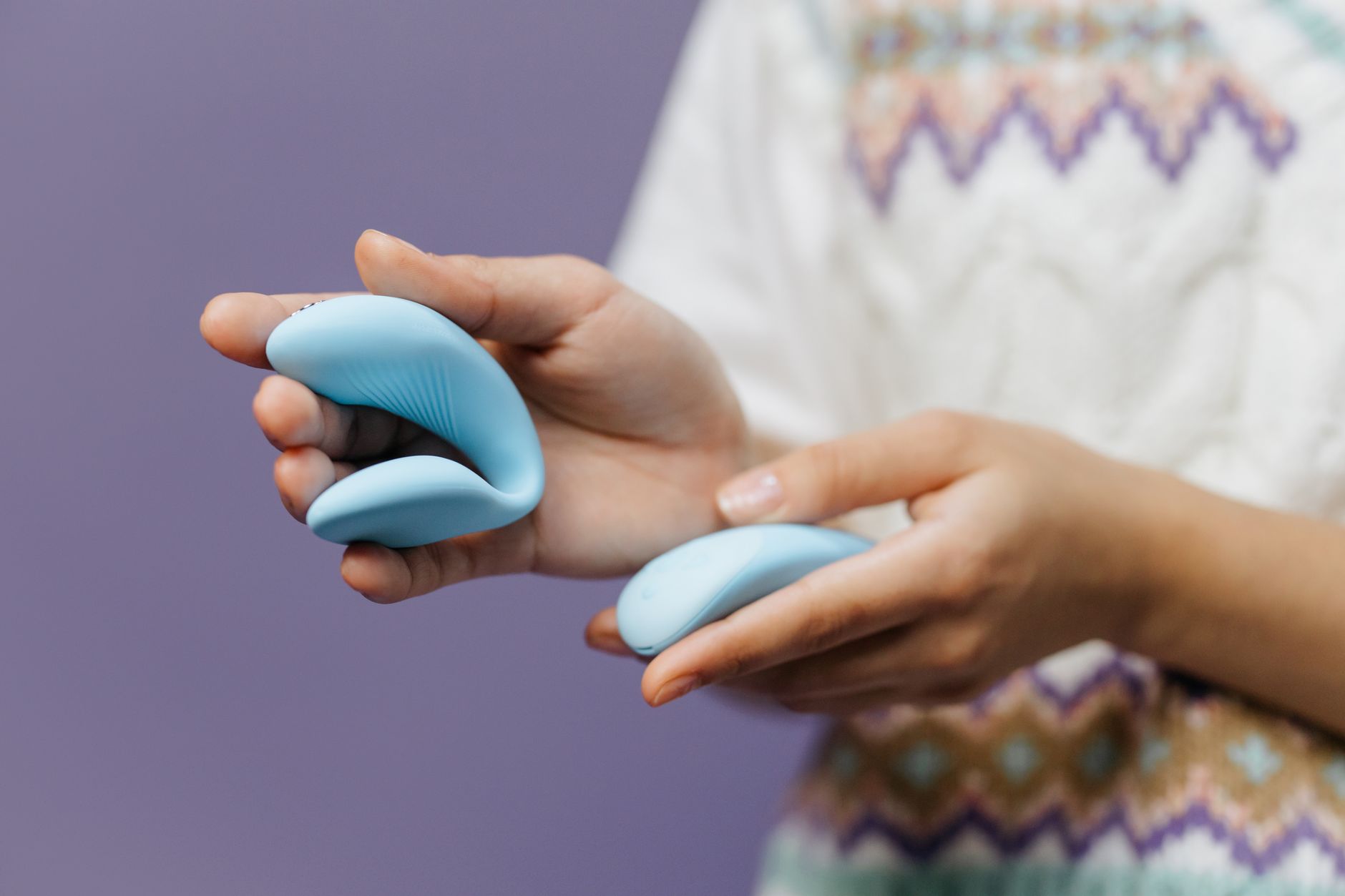
Let's start with the conversation nobody wants to have
You want to bring a vibrator into partnered sex. Your partner has never used one. The gap between that want and the actual conversation feels impossible. You're worried it signals you're not satisfied, or that they'll feel replaced, or that the whole thing will get awkward in the worst way.
Honestly? That gap is smaller than you think. And the actual conversation is almost never as fraught as your brain predicts.
Why partners resist (and why they usually don't)
I've worked with hundreds of couples on this exact moment. The resistance you're imagining almost always comes from the same three myths.
Myth 1: "They'll feel inadequate." Most partners don't. What they often feel is relief. Relief that they don't have to be the sole source of your pleasure. Relief that there's a tool that can help them see you orgasm more reliably. That's not a blow to their ego. It's a load lifted.
Myth 2: "They'll think I'm unsatisfied." Maybe for five seconds. Then you clarify that you want this with them, not instead of them. That lands differently than they expect.
Myth 3: "It'll ruin the spontaneity." It doesn't. But having a conversation now means you both stop white-knuckling during sex, wondering if this is the moment you bring it up. That itself kills spontaneity more than any toy ever could.
How to start the conversation (without making it weird)
Three principles: timing, tone, and framing.
Timing: not during sex, not after a disappointing sexual experience, not when either of you is stressed or distracted. Pick a regular Tuesday. Seriously. Bring it up the same way you'd mention needing to buy groceries.
Tone: confiding, not apologetic. "I've been thinking about something I want to try with you" lands differently than "I'm sorry, but I want to try..." You're not apologizing for having a body with desires.
Framing: lead with the benefit to both of you, not just to you. "I want to explore using a vibrator together because I think we could have more fun with this" is true and invitational. It assumes they'll want to as well.
Here's what that might sound like: "I've been reading about clitoral vibrators, and I'm curious about trying one together. I think it could actually make partnered sex feel different for both of us. Would you be open to that?"
That's it. You've named the thing, you've explained why, you've asked directly.
What partners actually worry about (and how to answer)
If they get quiet, they're probably cycling through one of these concerns.
"Will I need to do something different?" Nope. Tell them the vibrator is an addition, not a replacement. Their hands, their mouth, their body are still essential. The vibrator just adds a layer of sensation that you can't create alone.
"Is this because I'm not satisfying you?" This is where tone matters. Look them in the eye. "No. This is about expanding what we can do together. I like sex with you. I like it more when I also like how my body feels during it. Those aren't contradictory."
"Will it be weird?" Honestly? Probably a little, the first time. New things are. But weird fades fast once you're actually in the moment. And lemon vibrators are designed to feel intuitive, not clinical. They don't look like medical devices. They look like something someone actually wanted to touch.
"What if I don't like it?" Perfect question. Tell them you're both experimenting. If it doesn't land, you stop. No shame, no guilt. You tried something together.
Why lemon vibrators work particularly well when someone's new to toys
I'm not saying this because of the brand. I'm saying it because it's true.
Most people's first experience with a toy is either solo, or with a partner who's already comfortable with them. When both of you are new to the experience, you need something that doesn't feel intimidating. That means:
Small, intuitive design. Lemon vibrators are shaped like something you'd actually want to touch. Not futuristic, not medical. Just elegant and straightforward.
Quiet motor. Nothing kills the mood like a sound that says "household appliance." The Lemon's motor is genuinely quiet, which means you can focus on sensation instead of managing embarrassment.
Low vibration intensity to start. Many partners new to toys worry about overstimulation. Lemon vibrators let you begin at pattern 1 and work up, which feels controllable instead of intense right away.
Design they can watch. This matters more than you'd think. Being able to see the vibrator touching your body helps a new partner understand what's actually happening. There's less mystery, more participation.
The first time you use it together (what to actually expect)
Do not expect fireworks. Expect something better. Expect okay.
You'll probably be self-conscious. They might hover awkwardly, unsure of where to stand or what to do with their hands. This is completely normal. Here's what I recommend:
Start with your partner touching you the way you normally would. Let them get into the rhythm. Then introduce the vibrator gently. "Can you hold it while I guide you?" makes them an active participant, not a spectator.
Your pleasure isn't a solo demonstration. It's something you're exploring together. That shift in framing changes everything.
In the first few times, you might focus more on sensation than on orgasm. That's ideal. Orgasm will come. Right now, the goal is getting comfortable with the tool and with each other's comfort level around it.
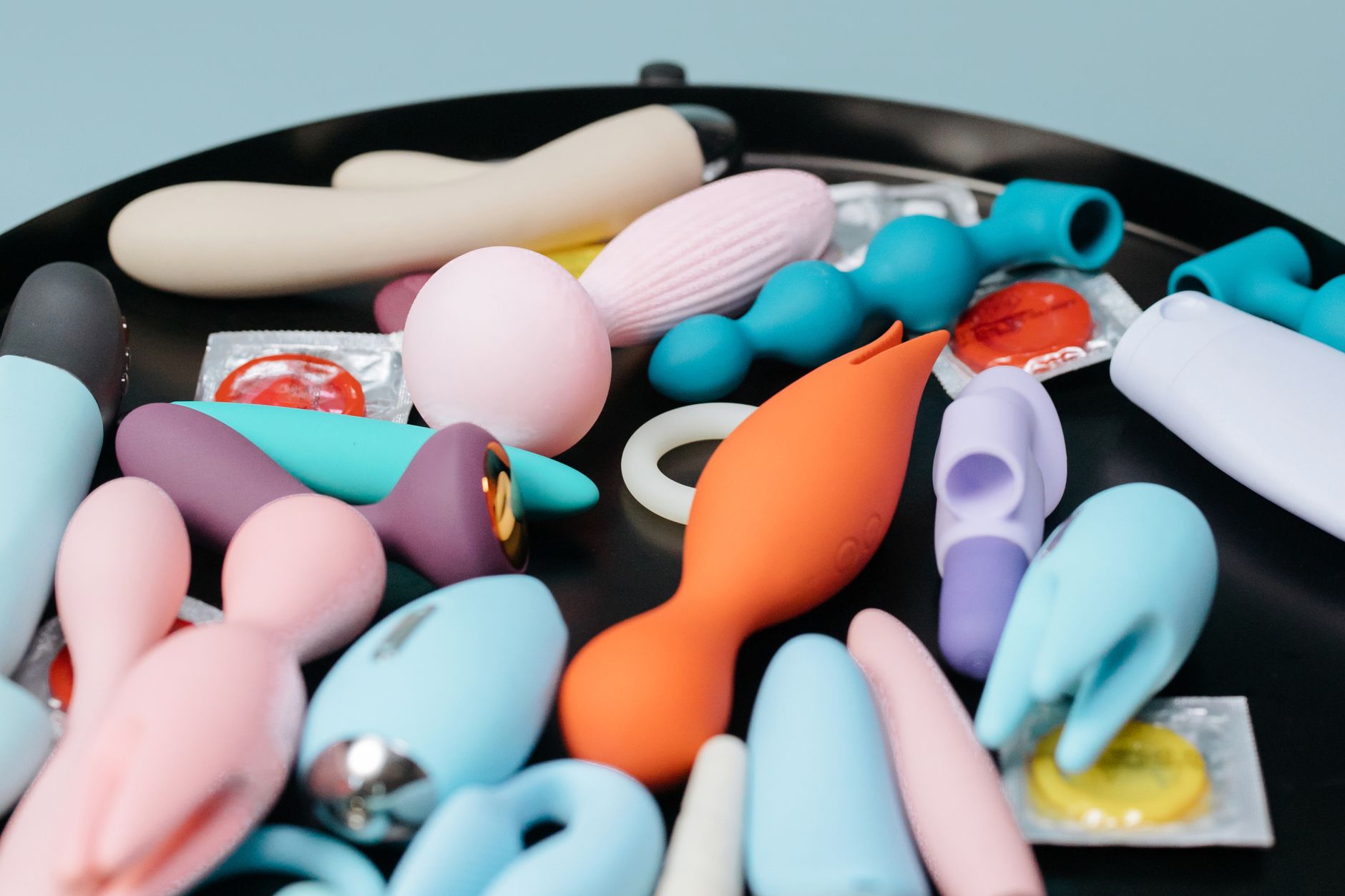
Photo by cottonbro studio on Pexels
What happens after the first time
One of two things occurs. Either the vibrator becomes a regular part of your sex life, or it doesn't. Both are fine.
If it does, you'll probably notice that partnered sex feels different. Not because the toy is magic, but because you've both now given yourself permission to talk about what you want. That permission changes how you touch each other. It opens a conversation that was previously closed.
If it doesn't, you've still gained something: you know what you both want and don't want. You've practiced vulnerability around desire. That's relational gold, whether or not a vibrator ever comes out again.
Many partners who are initially hesitant become enthusiasts. Not because the toy converted them, but because experiencing their partner's genuine pleasure is intoxicating. Watching someone you care about orgasm more reliably, more intensely, more often... that's not threatening. That's hot.
The practical details that matter
Once you've both agreed to try this, handle the logistics clearly.
Cleaning. Silicone toys wash with warm soapy water before and after. Show them where it goes. No mystery.
Storage. Keep it somewhere accessible but private. Not shoved in the back of a closet like it's shameful. Just kept, like any other thing you both own.
Communication during. "More pressure," "slower," "there" are all valid mid-sex communications. Normalize them. If your partner can't read your body perfectly without the vibrator, they definitely can't when you're introducing something new. Help them help you.
Lubrication. Water-based lube makes everything feel better. Silicone toys pair beautifully with water-based lube. Keep some handy and mention it matter-of-factly, the same way you'd mention condoms.
Common second-time scenarios and how to navigate them
First time was good but awkward. Now what?
If they seemed receptive, bring it up casually in a non-sexual moment. "I liked that. Did you?" This isn't a debrief. It's just confirming you're both on the same page.
If there was hesitation or discomfort, ask about it directly but gently. "What felt off?" could be "I didn't know where to stand" or "I was self-conscious" or "I need more time to adjust." All of these are solvable. None of them are rejections.
If it went really well, you can introduce variation: different positions, different patterns on the vibrator, incorporating it differently. But don't do this in the same session. Let each experience settle before you layer in newness.
When to see a relationship specialist
Most of the time, this conversation goes fine. But sometimes it touches on deeper stuff: shame about desire, control dynamics in the relationship, intimacy blocks that exist beyond just this one tool.
If your partner becomes genuinely defensive, or if you feel judged for wanting this, that's not really about the vibrator. That's about how desire is handled in your relationship more broadly. <a href="/contact">Reaching out for support</a> isn't failure. It's clarity.
Frequently Asked Questions
What if my partner says no outright?
Then you have information. You know they're not ready, or they don't want this, or something about the approach triggered them. Ask why. Listen without defending. You can always revisit this in six months. Forcing the issue doesn't work. Understanding the resistance does.
Is it normal to feel nervous about asking?
Completely. You're asking for something that involves your body, your pleasure, and your partner's reaction. All of that is vulnerable. The nervousness just means it matters to you. That's not a problem. That's honest.
What if they want to use a vibrator on themselves with me and I don't like that idea?
Boundaries work both directions. You don't have to be comfortable with something just because they are. The goal isn't "both of you using toys all the time." The goal is both of you being able to say what you want and respect what you don't.
How do I know if they're actually into it or just doing it to make me happy?
Ask. Not "Are you into this?" but "How was that for you?" or "What felt good?" If they're checking a box, their answer will sound thin. Real enthusiasm sounds different. It sounds like they're describing an experience, not summarizing an obligation.
Can I use lemon vibrators if my partner has never seen a sex toy before?
Yes. In fact, lemon clitoral vibrators are ideal for that exact scenario. They don't look medical or intimidating. They look like someone actually designed them for pleasure, which is true. Starting with something approachable is much easier than starting with something that looks like it belongs in a dystopian film.
What if we've been together for years and bringing this up now feels like admitting I was unhappy?
It's not. People's desires evolve. You've grown. Your body has changed. Your capacity for pleasure has grown. That's not criticism of the past ten years. That's maturation. Frame it that way: "I want to explore this now because I'm more comfortable with myself and with you."
The thing nobody says out loud
Most of the time, when someone brings up a vibrator with their partner, what they're really saying is: "I want to be more pleasure-oriented in this relationship. I want us both to prioritize sensation and enjoyment. I want us to keep exploring."
That's not threatening. That's invitational. And partners usually feel that invitation as relief, not rejection.
The conversation is the hard part. The actual experience is usually easier than you expect. And once you've had it, something shifts. You've named desire out loud. You've made it discussable instead of secret. That changes how you touch each other, even without any toy in the room.
Start the conversation. Trust your partner more than your anxiety. And know that most couples who introduce a vibrator into their sex life report feeling closer afterward, not more distant. Because they've practiced being honest about what they want. And that honesty travels everywhere.