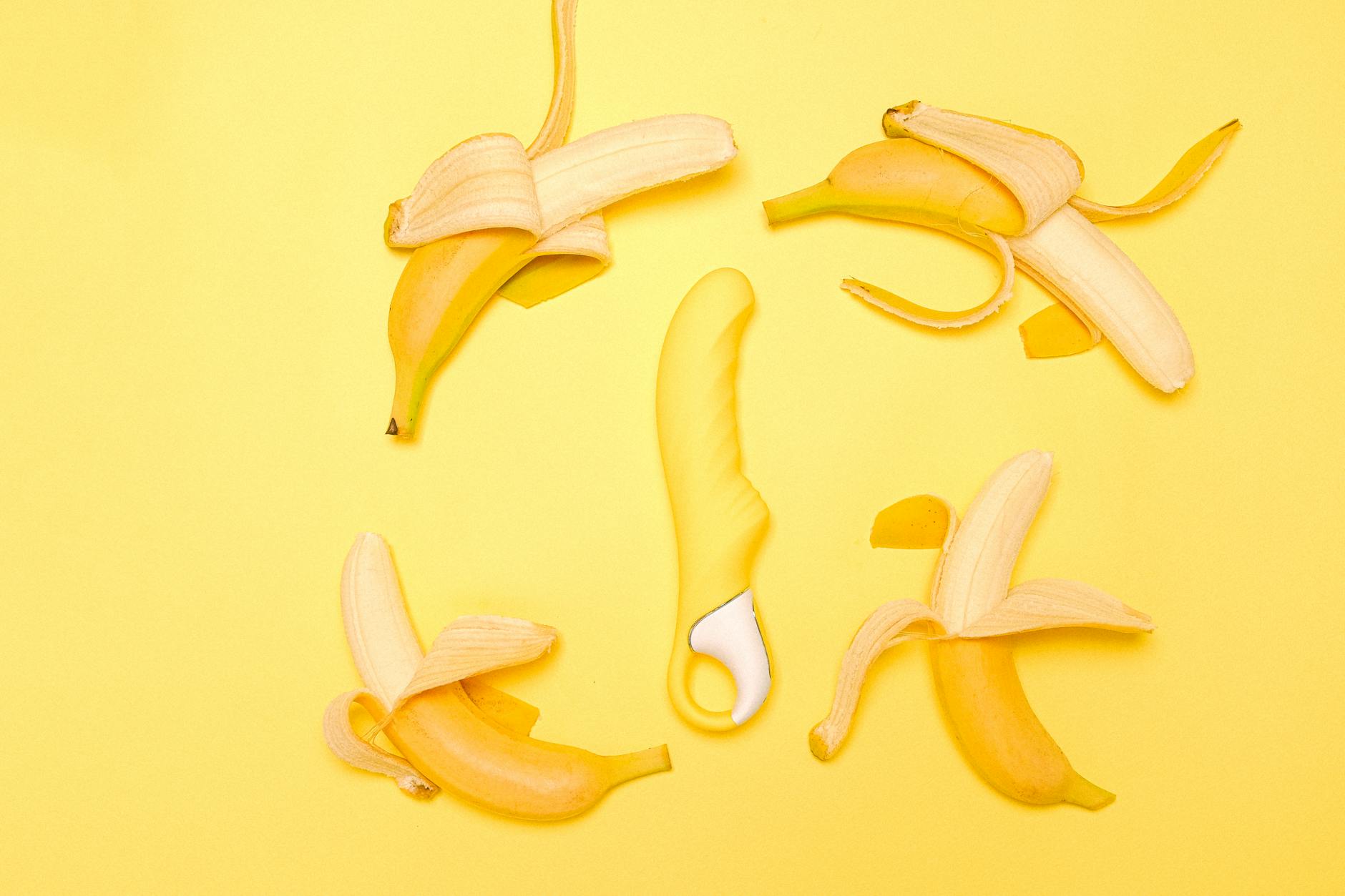
Here's the thing about seasonal stress and desire
Your libido doesn't vanish when tax season hits or the holidays pile on. It gets buried. There's a difference. Buried means it's still there. It means you can excavate it.
I see this pattern constantly in my practice. Someone shows up in September stressed about school transitions, or November drowning in holiday planning, and they say "I don't want sex anymore." What they mean is: "I have no mental space for sex right now." The desire hasn't died. The cortisol has just taken over every room in your brain.
When stress floods your system, your nervous system can't prioritize pleasure. Pleasure feels frivolous when your brain is running a thousand tasks. But here's what actually helps: a tool that requires almost no mental load, that works with your stressed body instead of against it, that reminds your nervous system that pleasure is still possible. That's where lemon vibrators come in.
Why seasonal cycles tank desire so specifically
Three things happen when seasonal pressure ramps up.
First: cognitive load explodes. Seasonal stress (end-of-year deadlines, holiday planning, daylight changes) hijacks the prefrontal cortex. That's the part of your brain that handles anticipation, arousal cues, and desire. When it's fighting fires, sex becomes background noise.
Second: cortisol chronically elevates. Chronic stress keeps cortisol high, which suppresses sex hormones. This isn't psychological. It's chemical. Your body quite literally has less testosterone and estrogen in circulation when you're running on stress mode.
Third: touch becomes trigger. When you're touched out (managing kids, responding to emails, being around people constantly), sexual touch can feel like one more demand on your body. Your partner approaches, and your nervous system reads it as another person needing something from you.
The result: desire doesn't just dip. It flattens for weeks.
The reframing that changes everything
Here's what I tell clients when seasonal stress hits their sex life: you're not broken, and your partner isn't the problem. Your nervous system needs a reset button that doesn't require performance or negotiation.
That's what a lemon vibrator offers. It's solo, it's quick, it requires zero communication, and it sends a straightforward message to your body: "pleasure is happening now, and nothing else has to be fixed first."
When you're stressed, partnered sex often becomes another task on the list. Did I come? Did my partner? Is this taking too long? A lemon vibrator removes the audience. It removes the timeline. It's just you, suction, and about five minutes.
That simplicity matters. It's not dismissive of partnered intimacy. It's actually protective of it. Solo pleasure during seasonal stress often prevents resentment from building up. You're not waiting for desire to magically return. You're actively reminding your nervous system that pleasure is available to you.
The specific way lemon vibrators work for stressed bodies
Lemon vibrators, and clitoral suckers in general, have a particular advantage when stress is high: they deliver intensity without requiring you to do much of anything.
When your nervous system is fried, gentle foreplay can feel like another form of work. A lemon vibrator skips the warm-up. The suction mechanism creates strong, focused stimulation in about 30 seconds. Your brain doesn't have to build anticipation. Your body doesn't have to wait. You're getting sensation now, which means your parasympathetic nervous system can actually engage.
This matters because desire during seasonal stress isn't about wanting to feel sexy. It's about needing your nervous system to downshift. Strong, reliable stimulation does that. It overrides the mental chatter.
I recommend starting on a lower suction level (patterns 1-3 if you're using something like the Lem vibrator) and letting your body tell you if you want to build intensity. Many of my clients find that during high-stress seasons, they want faster payoff and less buildup. That's completely normal. Your stressed body isn't looking for a journey. It's looking for a reset.
When to use lemon vibrators in your seasonal stress cycle
Timing matters more than you'd think.
Early intervention is key. Don't wait until your desire has completely flatlined. Start solo pleasure sessions when you first notice stress rising. This isn't indulgent. It's preventive. It keeps your nervous system from forgetting that pleasure is part of your baseline.
Use them on high-stress days. Tuesday afternoon when your deadline just shifted? Twenty minutes alone with a lemon vibrator before dinner. Not because you feel like it. Because your nervous system needs the reset.
Use them instead of forcing partnered sex. If your partner wants sex and you're stressed, solo pleasure is often the bridge. It reminds your body what arousal feels like without the performance pressure. Then, sometimes, you naturally want to include your partner. Sometimes you don't. Both are fine.
How solo pleasure protects your relationship during seasonal stress
This is the part nobody tells you: when stress is high, solo pleasure often saves your partnership.
Here's why. When you're stressed and desire is low, your partner might initiate. You might say no. They feel rejected. You feel guilty. That cycle compounds. Within weeks, you're not having sex, you're not touching, and you both feel disconnected.
But if you're maintaining solo pleasure during seasonal stress, something shifts. Your body remembers pleasure is possible. You feel less guilty about the frequency drop. Your partner sees you taking ownership of your own pleasure instead of blaming them or yourself. That's attractive. That builds safety.
I've seen couples get through brutal December by doing exactly this. She uses a lemon vibrator three times a week during the holiday chaos. He stops taking the frequency decline as rejection. She stops feeling guilty for not wanting partnered sex. By mid-January, when stress finally breaks, their desire comes back and they're still connected instead of resentful.
The talk you need to have with your partner
If you're in a partnership, frame solo pleasure during seasonal stress as maintenance, not rejection.
Say something like: "When work gets intense, I'm going to take time for myself with toys. This isn't about you. It's about keeping myself sane. It might actually make me more available to you once the season slows down." Most partners get it immediately. Some even feel relieved. They'd rather you take care of your own needs than wait around feeling guilty.
You're not asking permission. You're giving information. There's a difference.
FAQ: Seasonal stress and lemon vibrators
Q: Will using lemon vibrators solo make me not want partnered sex?
No. The opposite usually happens. When you maintain solo pleasure during stress, you keep your nervous system's pleasure circuitry active. This makes you more likely to want partnered sex once the season calms down, not less. It's like exercise during a heavy work month. It keeps you functional.
Q: How often should I use them during high-stress seasons?
Three to five times a week is the range I see work best. Enough to reset your nervous system, not so much that it becomes another obligation. If you're forcing it, you're doing it wrong. If it feels good and necessary, you've found your rhythm.
Q: What if my partner wants sex and I don't because of stress?
Tell them the truth: "My nervous system is too activated. I need to decompress alone first." Most partners respect that more than a vague no. Sometimes after you reset with a lemon vibrator, you'll feel like partnered sex. Sometimes you won't. Both are valid.
Q: Does it matter which lemon vibrator I use during seasonal stress?
Not hugely. A clitoral sucker like the Lem vibrator is reliable and predictable, which stressed bodies appreciate. But honestly, any toy that delivers fast, consistent pleasure works. You're not looking for innovation. You're looking for consistency.
Q: Will my desire actually come back once the season ends?
Usually, yes. If you've maintained solo pleasure and avoided resentment in your relationship, desire bounces back pretty quickly once stress drops. I'd say about 70-80% of my clients report their libido returning to baseline within a month of the seasonal pressure lifting.
Q: Is solo pleasure during seasonal stress a sign our relationship is in trouble?
No. It's a sign you're prioritizing your nervous system health and your partnership's long-term resilience. Some of my healthiest couples maintain solo pleasure practices during stress. It's not a symptom. It's a strategy.
The bigger picture: normalizing pleasure during chaos
Seasonal stress will always exist. Tax season. Holidays. Summer with kids home. There's always a season that derails everything.
What changes when you have tools like lemon vibrators is how you relate to that stress. You stop pretending desire should stay high. You accept the seasonal dip. You actively maintain pleasure despite the chaos. Your nervous system stays slightly more regulated. Your relationship stays slightly more connected.
This is maintenance, not passion. And honestly, maintenance is what keeps long-term partnerships alive through the seasons.