Let's start with what stress actually does
When you're carrying heavy stress, your body isn't wired for pleasure. Cortisol floods your system, your nervous system stays locked in fight-or-flight mode, and the blood flow that normally pools in your genitals gets redirected to your muscles and brain instead. Orgasm feels muted, takes forever to build, or doesn't come at all. This isn't a sign that something's broken. It's your body doing exactly what it's supposed to do when it's trying to survive.
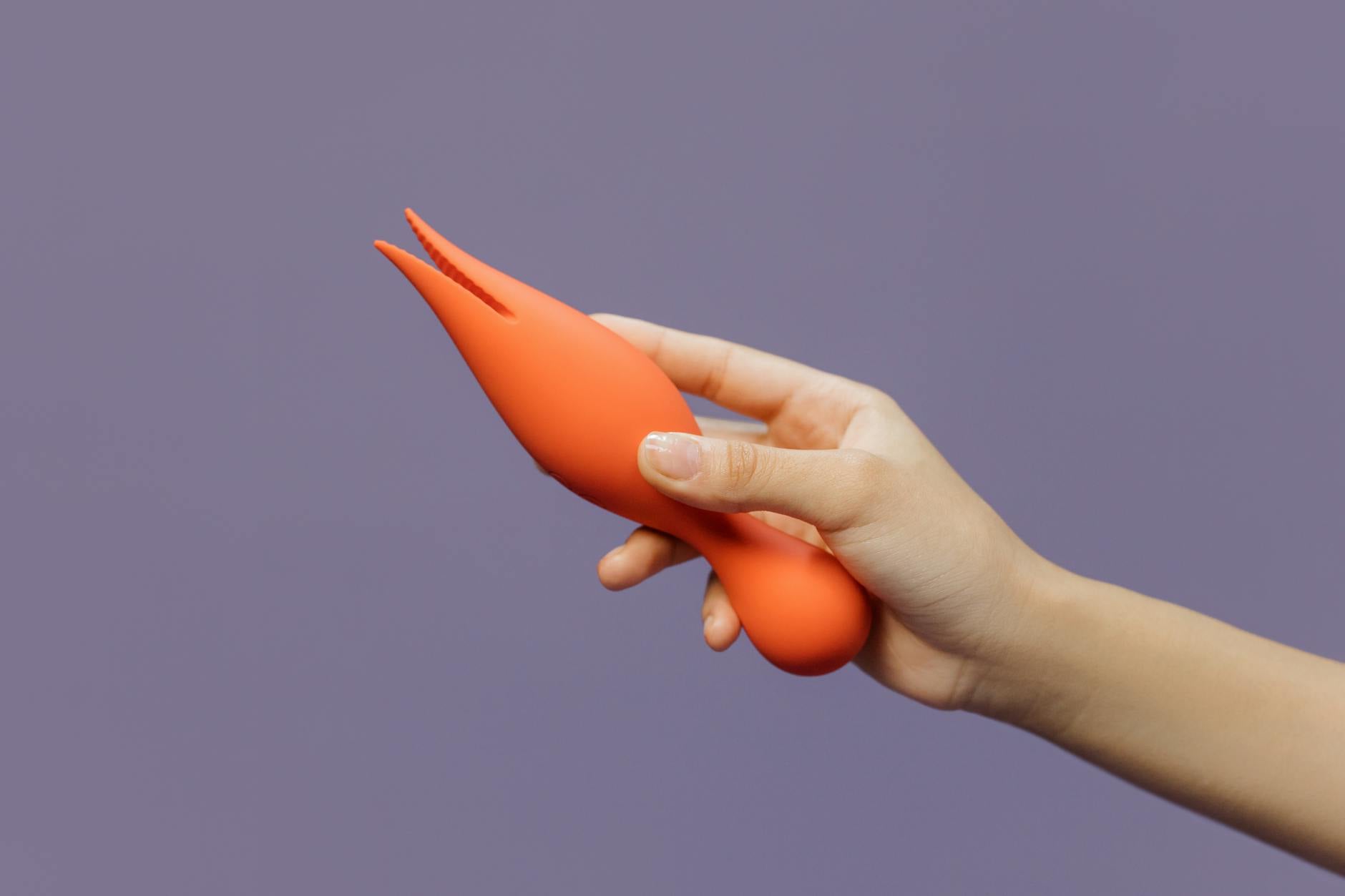
The problem is that stress lingers. Even after the stressor passes, your nervous system stays hypervigilant. You might find that sensation returns in bits and pieces, or that orgasms feel shallow and unsatisfying. This is where lemon clitoral vibrators become genuinely useful. They let you work with your body's current capacity instead of fighting against it.
How your nervous system recalibrates
Think of pleasure recovery like physical therapy for your nervous system. You wouldn't jump into heavy lifting after an injury. You'd start with range-of-motion work, gentle resistance, and patience. Orgasm after stress works the same way.
When you've been in prolonged stress, your parasympathetic nervous system (the one that handles rest, arousal, and pleasure) has been dormant. Starting with lower-intensity stimulation wakes it back up without overwhelming it. This is where lemon vibrators shine. They deliver consistent, predictable sensation at the level you choose, without the pressure of performance or the unpredictability of manual touch.
What typically happens: your first few sessions feel subtle. Then sensation starts returning in waves. Some sessions feel electric. Others feel muted. That variance is normal. Your nervous system is literally relearning how to process pleasure signals.
Setting up for success (the logistics that actually matter)
Before you even touch the vibrator, three things matter.
First, your environment. Stress kept you in alert mode. Your body is used to scanning for threats. A quiet room, a locked door, and zero distractions signals safety to your nervous system. This might sound basic, but it's the foundation. You can't ease into pleasure if part of your brain is monitoring for interruption.
Second, temperature and comfort. Stress lives in tension. Your shoulders, jaw, and pelvic floor all tighten. Run a warm bath before your session, or sit under a blanket. Warmth relaxes muscle guarding and helps your body drop into parasympathetic mode faster. A small pillow under your back or hips changes everything.
Third, timing. Avoid using a lemon vibrator when you're rushed, hungry, or mentally preoccupied. Schedule 20-30 minutes of uninterrupted time. Your nervous system needs runway to shift gears. Rushed pleasure is still stressed pleasure.
How to start small with intensity patterns
Most lemon vibrators offer multiple intensity levels. If stress has muted your sensation, resist the urge to jump straight to the highest setting. Here's the progression I recommend.
Sessions 1-3: Pattern one, lowest intensity. You're not aiming for orgasm. You're aiming for presence. Notice what you feel. Is it a faint buzz? A gentle pulse? Don't compare it to pre-stress sensation. Just feel what's there. Many people find that sensation actually increases once they stop trying so hard.
Sessions 4-7: Experiment with patterns two and three at low intensity. Different patterns create different sensations. Some feel more rhythmic, others more chaotic. Pay attention to which patterns feel naturally pleasurable versus which feel like work. Your body knows what it needs.
Sessions 8-12: Mix intensity levels within a single session. Start at low, build to medium, maybe touch on high for a few seconds, then drop back to low. This mimics how arousal naturally escalates and teaches your nervous system that pleasure has texture and rhythm.
Beyond that: let it flow. By now, sensation usually returns in meaningful ways. Your body has remembered how to respond. You can use the vibrator the way it feels good in that moment, without a script.
The mental part (because pleasure isn't just physical)
Here's what gets left out of most guides: stress doesn't just affect your genitals. It affects your whole relationship with pleasure. You might feel guilt for struggling. Shame that you can't