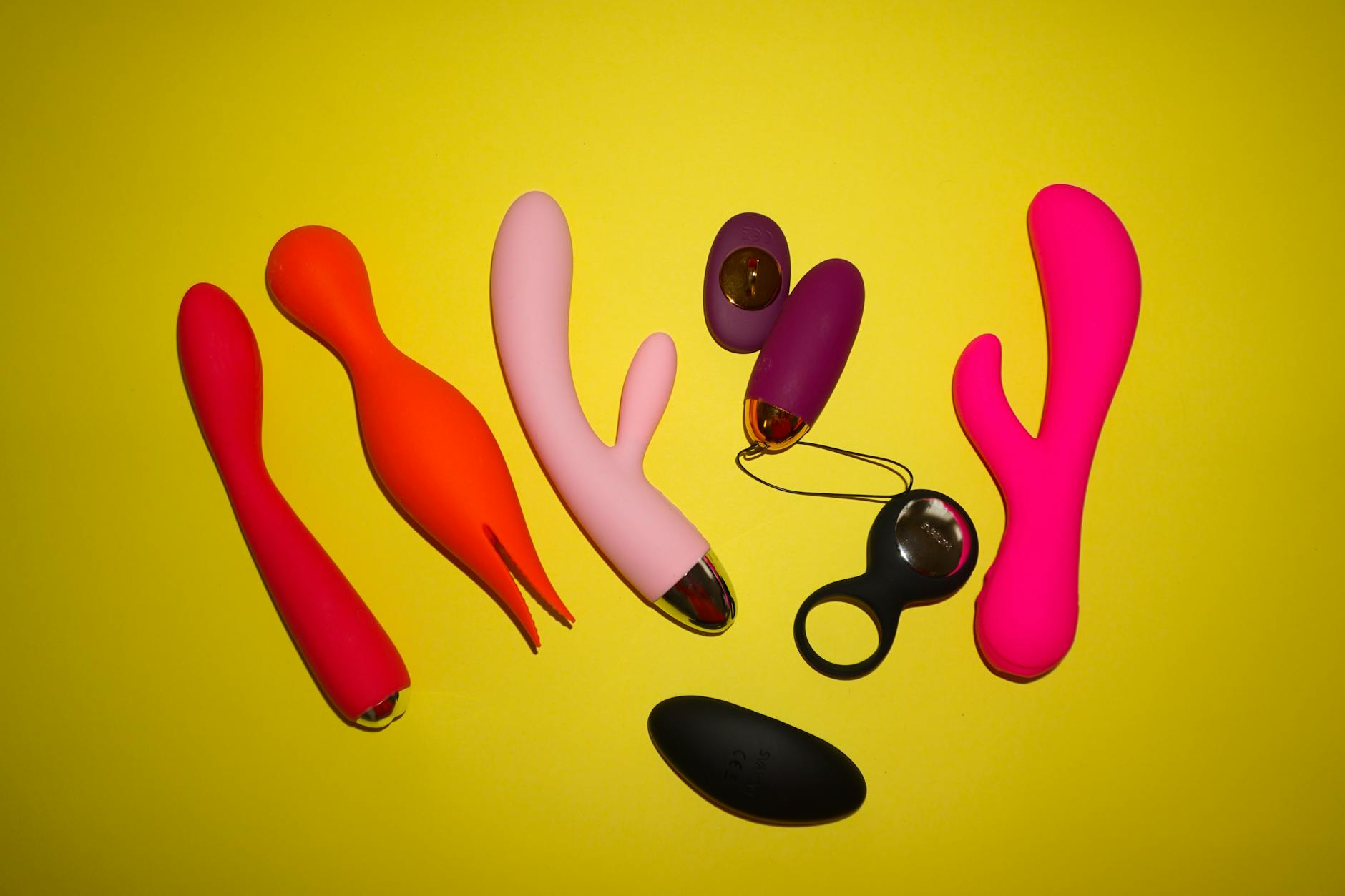
Let's name what actually happens
Infidelity doesn't just break trust between partners. It breaks your relationship with your own body. Suddenly your body becomes the thing that wasn't enough, that was bypassed, that someone chose to betray. That's a specific and brutal kind of disconnection.
Many of my clients describe this as feeling "numb" or "shut down" sexually. But it's not numbness exactly. It's protection. Your nervous system is doing what it's supposed to do: creating distance between you and something that feels unsafe.
Why standard vibrators don't help as much as you'd think
When you're processing betrayal, what you need isn't more intensity. You need something that feels like permission to feel good without effort, without proving anything, without that old familiar performance mode kicking in.
Traditional vibrators rely on constant buzzing stimulation. That can feel relentless when you're already in a defensive state. Your body reads it as pressure instead of invitation. You end up white-knuckling through an orgasm instead of opening into one.
Lemon vibrators work differently. The suction technology creates a gentler, more rhythmic sensation that mirrors natural arousal. It doesn't demand that you "switch on" instantly. It invites you back into your body gradually, which is exactly what you need when you're rebuilding trust with yourself.
The specific way infidelity changes your nervous system
Here's what's actually happening neurologically. Betrayal activates your threat-detection system. Your amygdala is hypervigilant. Your parasympathetic nervous system (the rest-and-digest mode you need for arousal) gets suppressed.
Sex under these conditions feels impossible. You're not broken. You're responding exactly the way trauma responses work.
Lemon clitoral vibrators help because they:
Create a predictable rhythm. Unpredictability is the enemy right now. The consistent pattern of suction tells your brain: "This will feel the same way each time. You're safe here."
Lower the barrier to entry. You don't need to be "in the mood." You can start at pattern 1 and your body will gradually respond. No performance required.
Allow you to stay in control. You set the intensity. You decide when to stop. That autonomy is essential when your sense of control has been violated.
Separate pleasure from your partner's presence. Right now, sex with your partner might trigger shame or defensiveness. Pleasure on your own terms, in your own body, with your own device, is a completely different experience.
The timeline most of my clients follow
Everyone's different, but here's the arc I see repeatedly:
Weeks 1-2: Exploration mode. You're learning your body again without judgment. Start with the lowest intensity setting. The goal isn't orgasm. It's just sensation. Fifteen minutes of your own time, your own pace. That's the whole win.
Weeks 3-4: Building familiarity. Your nervous system relaxes a little. You might experiment with different patterns. You might notice arousal building without trying. This is progress. Don't rush past it.
Month 2: Reconnection begins. Pleasure starts to feel less like proof and more like permission. You might cry during or after. That's normal. Your body's releasing something.
Month 3+: Integration. This is when you start to feel like you own your pleasure again. Not completely, maybe. But enough. And then you get to decide what happens next with your relationship.
This timeline isn't universal. Healing isn't linear. But there's usually a visible shift around the 2-3 week mark when clients report: "Oh, I can actually feel this." That's the turning point.
How to use a lemon vibrator specifically when trust is fractured
Here are the practical moves that work:
Start alone, fully alone. No partner in the house, no possibility of interruption. Your nervous system needs to know it's just you. That safety is what allows your parasympathetic system to activate.
Use water-based lubricant even if you don't think you need it. When you're in a protective state, your natural lubrication might not show up immediately. Lubricant removes friction and makes the sensation feel like care instead of effort.
Don't set an orgasm goal. This is crucial. If you're monitoring whether you're "getting there," you're staying in your thinking brain. The whole point is to get out of your head. Spend 10 minutes focusing purely on what feels good.
Let sensation be enough. An orgasm is a bonus. The real win is: "I felt good in my body for 15 minutes." That's reclamation. Build from there.
Notice without judgment. Thoughts like "This isn't working" or "I should feel more than this" are normal. They're not truths. They're your protective system talking. Acknowledge them and return to sensation.
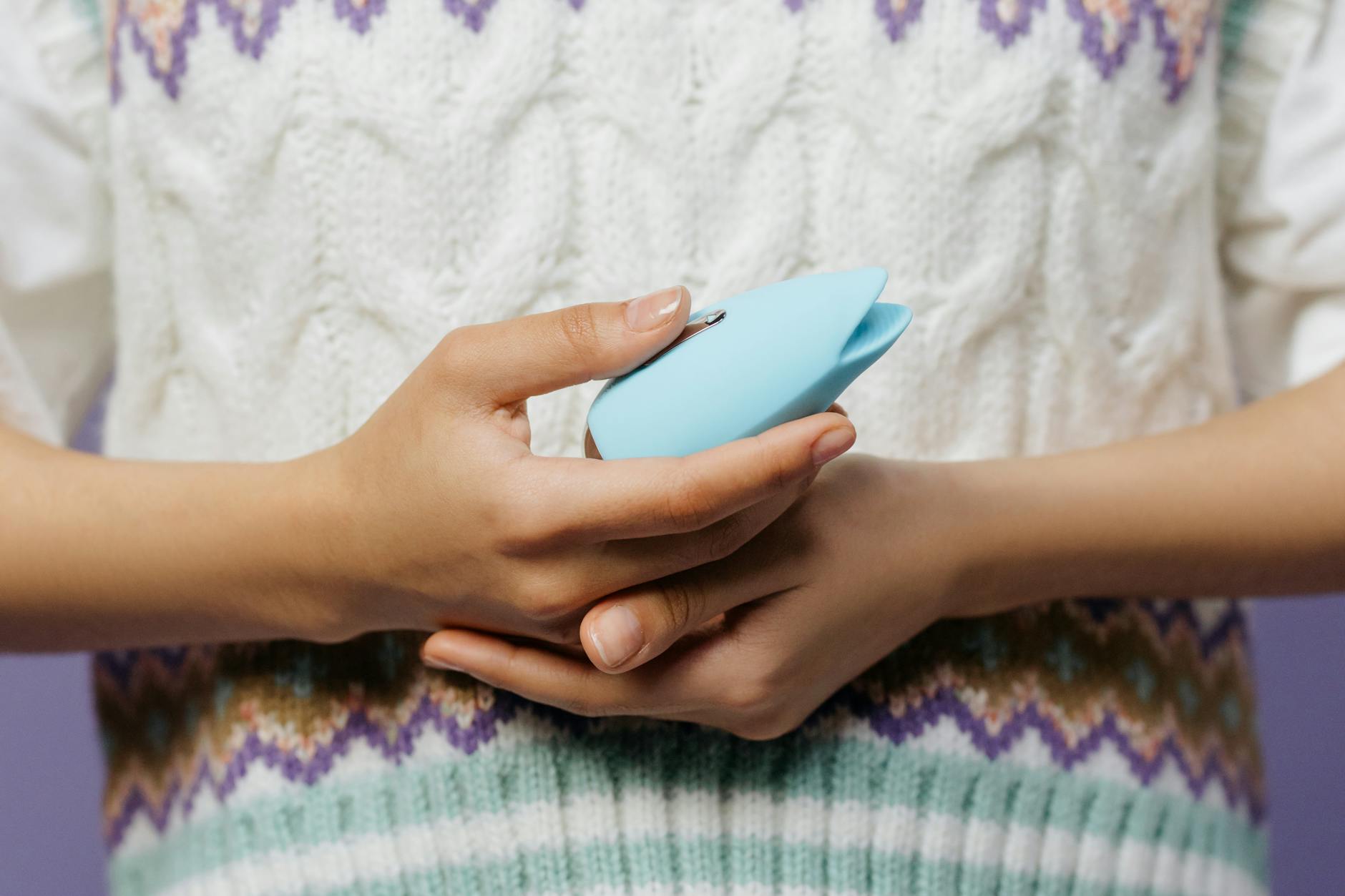
Photo by cottonbro studio on Pexels
When and if to reintegrate pleasure with your partner
This is the loaded question, right. Here's what I tell couples:
Don't sleep with your partner until you can sleep with yourself again. That sounds metaphorical. I mean it literally. Once you've spent a month reclaiming your own pleasure with a lemon vibrator, you'll have baseline data: "I can feel. My body still works. I'm not broken."
That's the foundation you need before partnered sex even makes sense. Because partnered sex after infidelity without that foundation is just anxiety performance. And you've already done enough of that.
When you do decide to try partnered sex, a lemon vibrator can actually be a bridge tool. Some couples use it together as a way to share pleasure that doesn't involve penetration or traditional sex. It's intimate without being laden with all the betrayal baggage.
But that's only if both of you genuinely want to. If you're doing it because you think you "should" be over it by now, don't. Your timeline is your timeline.
The part about rebuilding trust with yourself first
Here's what nobody tells you: the partner who betrayed you is secondary right now. The real work is rebuilding trust with your own body.
Your body kept you safe by shutting down. That was smart. Now it needs evidence that it's okay to open up again. A lemon vibrator, used consistently over weeks, provides that evidence.
Every time you use it, you're sending a signal to your nervous system: "We're safe. Pleasure is okay. Your body is yours." That's the actual healing. Everything else (couples therapy, conversations with your partner, deciding whether to stay) happens on top of that foundation.
This is why I recommend integrating pleasure work into your individual healing before you try to repair the relationship. You need to know you're whole on your own first. Then you decide what you want.
FAQ on lemon vibrators and infidelity recovery
How long before I should feel normal again after infidelity?
Normal isn't the goal. Integrated is. You'll feel normal in about 6-8 weeks for most people, though it's not linear. Some days will feel fine. Others will hit you sideways. That's healing, not failure. If you're still completely numb after 12 weeks, talking to a trauma-informed therapist alongside using pleasure tools is wise.
Can using a lemon vibrator alone damage my relationship further?
Not if you're honest about it. If you frame it as "I'm healing my relationship with my body so I can eventually be present with you," most partners understand. If you're hiding it, that's a different issue. But solo pleasure work is part of legitimate recovery, not infidelity itself.
What if I feel guilty using a vibrator when my partner is in the house?
That guilt is worth examining. You haven't done anything wrong. Your body isn't a commodity you owe your partner. Taking time to reconnect with yourself is an act of self-respect. Your partner may need to sit with some discomfort while you do that. That's their work, not yours.
Should I tell my partner I'm using a lemon vibrator during recovery?
That depends on your relationship and its current state. Some couples benefit from transparency. Others need privacy first. There's no universal answer. But you don't owe him access to your healing process if that access would compromise it.
How do I know if I'm using the vibrator to avoid dealing with the relationship?
You're probably not. Solo pleasure isn't avoidance. It's foundation work. Avoidance would be using it as a substitute for having hard conversations about whether you even want to stay. One is healing. The other is procrastination. They can coexist, so be honest with yourself.
What if orgasms still don't feel good even with a lemon vibrator?
That's not failure. It's information. Your nervous system is still in protection mode. Keep showing up without the orgasm goal. Sometimes sensation comes first, pleasure comes second, orgasm comes last. Or sometimes it takes longer. Consider working with a trauma-informed therapist or sex therapist in parallel. You're not broken. You're processing.
The long version of healing
Infidelity wounds your sense of safety in your relationship and in your own body. Lemon vibrators don't fix that wound. But they help you remember that your body still belongs to you. That it's capable of pleasure. That you're not broken.
That's not a small thing when you're in the rubble of betrayal. That's everything.
Use the vibrator. Give yourself permission to feel good. And take your time deciding what happens next. You don't have to know whether you're staying or leaving while you're still in shock. Heal first. Decide later.
Your body will tell you what it needs if you listen. And a lemon vibrator is one very practical way to start listening again.