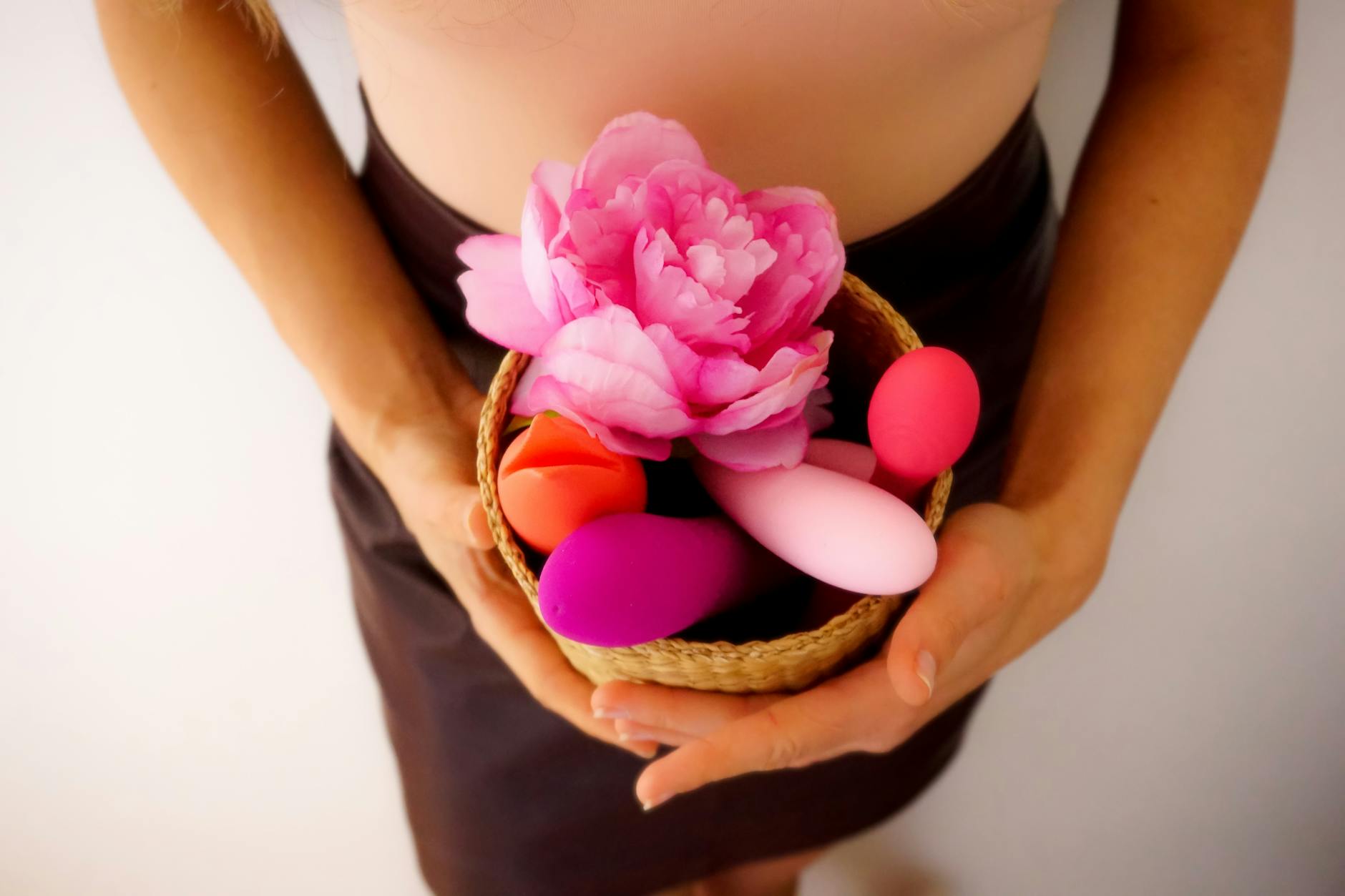
How to Use Lemon Clitoral Vibrators When Natural Lubrication Decreases With Age
Let's be real. Your body produces less natural lubrication as you age. This isn't failure, isn't weakness, and it doesn't mean your pleasure days are behind you. It means you need a plan.
I've worked with hundreds of people navigating this exact shift, and the ones who do best aren't the ones who pretend nothing changed. They're the ones who adjust their approach, learn what actually works, and then rediscover pleasure on entirely new terms.
Here's what that adjustment looks like when you're using a lemon clitoral vibrator.
Why lubrication changes and what it actually means
Estrogen and testosterone both decline with age, and both affect how much lubrication your body produces. Thinner vaginal tissue means less natural moisture. You might notice it takes longer to get aroused, or that dryness feels uncomfortable where it never did before.
Here's the part nobody says clearly enough: this doesn't affect your clitoris the way it affects the vagina. Your clitoral nerve endings don't thin. Your capacity for sensation and orgasm doesn't decline. What changes is the environment around the tissue, not the tissue itself.
A lemon clitoral vibrator works differently than penetrative toys. Instead of friction on vaginal tissue, it uses gentle suction and micro-vibrations directly on the clitoris. That means less dependence on natural lubrication, but also new technique choices to keep things comfortable.
The single biggest mistake: using your lemon vibrator without additional lubricant
Honestly though, even people with plenty of natural lubrication benefit from adding a water-based lube when using clitoral vibrators. When lubrication decreases with age, it stops being optional.
Here's why. A lemon clitoral vibrator creates suction and micro-vibrations that work best with a thin layer of moisture. Without it, you'll either get irritation from repeated stimulation or a seal that doesn't feel quite right. Water-based lubricant solves both problems immediately.
Apply it directly to the clitoris before you turn on the vibrator. A dime-sized amount is enough. You're not trying to create the same sensation as natural lubrication. You're creating the ideal surface for the vibrator to work.
Choosing the right lubricant for your lemon vibrator
Three rules here. First, water-based only. Silicone-based lubes are richer and feel incredible, but they damage silicone toys, and most lemon clitoral vibrators are medical-grade silicone. That's a dealbreaker.
Second, pick a lube designed for sensitive skin. Glycerin-based lubes can create a subtle stinging sensation over time, especially if you're spending 20-plus minutes on stimulation. Look for brands that are glycerin-free, paraben-free, and pH-balanced. Your tissues have changed, and they're worth a lube that matches.
Third, consider thickness. Thicker lubes (usually made with hyaluronic acid or similar plumping ingredients) feel closer to natural lubrication and tend to last longer on the skin. They're especially helpful if you find that regular water-based lubes dry out after 10-15 minutes of use.
Adjusting your technique when you have less natural lubrication
Start with a lower intensity setting. If your lemon vibrator has multiple patterns or power levels, begin at level 1 or 2, not your old baseline. This does two things: it lets your body warm up and produce a little natural lubrication before you go to stronger stimulation, and it prevents over-stimulation on tissues that might be more sensitive than they were five years ago.
Budget more time for foreplay. When natural lubrication decreases with age, your arousal phase naturally takes longer. Your body still reaches the same place. It just needs 15-25 minutes instead of 5-10. That's not a problem. That's an opportunity to explore sensation more intentionally, which honestly often leads to better orgasms.
Keep your lube bottle close. Reapply every 10-15 minutes if you're doing an extended session. Clitoral vibrators dry out faster than penetrative play because the surface area is smaller and the stimulation is concentrated. You're not failing to produce enough. You're just being practical about what your body needs now.
Consider a curved or angled approach. Because there's less natural glide, you might find that directing the lemon clitoral vibrator slightly downward or at an angle feels smoother than directly head-on. Your clitoral structure hasn't changed, but the optimal angle sometimes shifts when friction dynamics change. Spend five minutes experimenting before you settle into a rhythm.
The mental adjustment that matters more than the physical one
Technique is one thing. Mindset is another. Most people I work with struggle less with the physical reality of decreased lubrication and more with the shame narrative that comes with it.
You're not broken. Your body isn't failing. You're moving into a different chapter where pleasure requires slightly different conditions. That's the same adjustment you'd make if you switched from one lemon vibrator to another, or if you moved to a different climate and your skin got drier overall.
This is also often a moment to separate what you thought you needed (spontaneous, frictionless sex) from what you actually want (connected, intentional pleasure). Lots of people find that adding a partner into the lubrication process, or taking a few extra minutes to prepare, actually deepens the experience rather than detracting from it.
When to talk to a doctor about natural lubrication changes
If lubrication decreases dramatically all at once, or if you're experiencing pain, itching, or burning that doesn't improve with lubrication and technique adjustments, that's worth mentioning to a gynecologist. Genitourinary syndrome of menopause (GSM) is real and treatable. Topical estrogen creams have minimal systemic absorption and work quickly for many people.
You don't have to white-knuckle your way through discomfort. Solutions exist. Your doctor should know you're experiencing this shift.
One more thing: this shift often comes with a hidden gift
When you're forced to slow down, pay attention, and adjust your technique, something unexpected happens. You often discover parts of pleasure you'd skipped over when everything was easy and automatic.
Many people report that their most intense orgasms come after their bodies shift. Not despite the change. Because the change demanded attention. Because they finally stopped doing what they thought they were supposed to do and started doing what actually felt good.
Your lemon clitoral vibrator is designed to work with your body as it is now. Not as it was at 25. Not as you think it should be. As it actually is. That's the real win.
FAQ: Common questions about lubrication and lemon clitoral vibrators
What's the difference between water-based and silicone-based lubricant for clitoral vibrators?
Water-based lubes are thin, easy to clean up, and compatible with all vibrator materials including silicone. Silicone-based lubes feel richer and last longer on the skin, but they degrade silicone toys over time, which makes them a poor choice for most lemon clitoral vibrators. Stick with water-based when you're using silicone toys.
How often should I reapply lubricant during a session with my lemon vibrator?
This depends on the lube thickness and your session length. Most water-based lubes stay effective for 10-15 minutes of continuous clitoral stimulation. Thicker, hyaluronic acid-based lubes last longer, sometimes 20-25 minutes. Keep your bottle nearby and reapply whenever the surface starts to feel dry. There's no penalty for reapplying too often.
Can I use the same lubricant I use for vaginal sex with my lemon clitoral vibrator?
Yes, but consider upgrading to a thicker formula specifically designed for clitoral play. Clitoral tissue is more sensitive and concentrated, so a richer lube that stays put longer tends to feel better and require fewer reapplications. Many brands make lighter lubes for penetration and thicker ones for external play.
Does decreased natural lubrication mean I'm less aroused or less interested in sex?
No. Arousal and lubrication are related but separate systems. You can be deeply aroused and have less natural lubrication due to age, medication, or hormonal changes. Your brain and your clitoris still work perfectly. Your body just produces less of one fluid. That's a logistics problem, not a desire problem.
Is it normal for natural lubrication to decrease unevenly throughout the month or year?
Absolutely. Seasonal changes, stress, hydration levels, and overall health all affect lubrication production. So does your menstrual cycle if you still have one, or hormonal shifts if you don't. One week you might need barely any additional lube. The next week you'll want more. That's completely normal. Pay attention to what your body needs in each moment rather than expecting consistency.
Should I see a doctor if lubrication changes suddenly, or is it always just a normal part of aging?
If the change happens suddenly over days or weeks rather than gradually over months or years, that's worth mentioning to a gynecologist. Sudden shifts can signal hormonal changes, medication side effects, or other health factors worth investigating. Gradual decreases over time are normal aging. Sudden drops deserve a professional opinion.
Moving forward with your lemon vibrator
Your body produces less natural lubrication now. That's the reality. Your capacity for pleasure, your nerve sensitivity, your ability to orgasm intensely, and your right to satisfying sex haven't changed at all. They're still there, waiting for you to adapt your approach and meet yourself where you actually are.
That's not compromise. That's wisdom. Start with water-based lubricant, adjust your intensity, and give yourself the time and attention your body now needs. Your lemon clitoral vibrator will do the rest.
If you have questions about how to use your vibrator, reach out to us. We're here to help.