The dead zone nobody talks about
You've been using the same vibrator for two, three, maybe five years. It used to deliver. Now you're pressing it harder, holding it longer, switching patterns obsessively. And still nothing—or a faint echo of what used to work. This isn't you breaking. This is what happens when nerve endings adapt to repetitive stimulation.
It's called habituation, and it's wildly common. Your nervous system gets smart. It learns the pattern. It stops responding.
The fix most people try first is buying a stronger vibrator. Wrong move. A stronger buzz doesn't break habituation. It just adds noise. You need something fundamentally different.
Why buzz-based vibration stops working
Traditional vibrators use oscillation—a buzzing motion that's consistent, predictable, and rapid. Your clitoris has about 8,000 nerve endings in the glans alone. They're exquisitely sensitive to novelty and variation. But they're also brilliant at filtering out repetitive input.
After weeks or months of the same buzz, your nervous system essentially files it away as background noise. It's the same reason you stop hearing a ceiling fan after five minutes, even though it's still running.
This is neurologically normal. It doesn't mean you've lost capacity for pleasure. It means your pleasure receptors are working exactly as they should—they're just bored.
How suction feels completely different
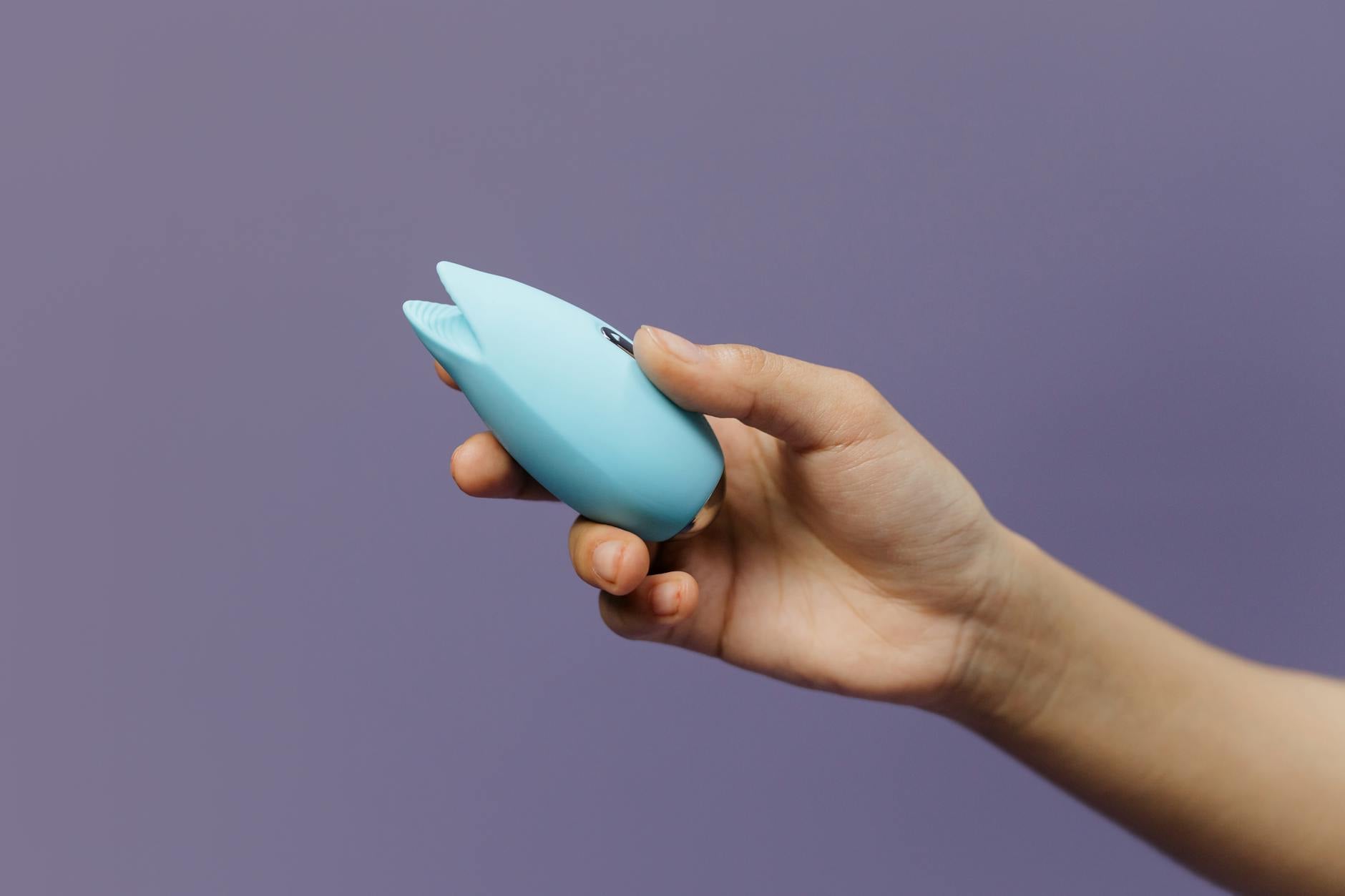
Lemon vibrators use air-pulse suction technology instead of vibration. Instead of a buzzing motion, they create rhythmic suction patterns that mimic the sensation of oral stimulation. This triggers different nerve pathways—literally different sensory receptors in the clitoral tissue.
When you switch from buzz to suction, you're not upgrading the same tool. You're using a completely different instrument.
Clinically, patients switching from traditional vibrators to lemon suction devices report sensation returning almost immediately. Not because the device is "stronger," but because the stimulation pattern is novel. Your nervous system wakes up. It stops filtering. It pays attention again.
The neuroscience of novelty
Your brain's pleasure circuitry is wired to respond to novelty and variation. Dopamine—the neurotransmitter that fuels arousal and reward—is released in response to unexpected stimulation. The same pattern, repeated, stops triggering that release. But a genuinely different sensation? That restarts the chain reaction.
This is why people who've adapted to one tool often report that a lemon clitoral vibrator feels shockingly intense at first, even at lower settings. It's not that it's stronger. Your nervous system just isn't filtering it yet. The novelty is doing the work.
Over time, if you use the same lemon vibrator daily for months, you may habituate to it too. That's normal. But the gap between habituation to buzz and habituation to suction is often six months to a year, not the three to four months buzz fatigue often takes.
Starting over with sensation
If you've been stuck in buzz fatigue, here's what actually helps.
First, take a break from vibration entirely for 7-10 days. This isn't spiritual. It's physiological. Your nerve endings need to reset. No vibrators, no intense stimulation. Let them quiet down.
Second, when you're ready to try a lemon vibrator, start at the lowest setting. Seriously. The sensation will feel stronger than you expect because your nervous system isn't filtering it. Intensity 1 or 2 on the Lem is genuinely enough to restart sensation in most people. You're not looking for a buzzed-out orgasm on night one. You're re-teaching your body to feel.
Third, vary your routine. Use it for five minutes one day, fifteen the next. Switch between patterns. Apply it directly, then through fabric, then with lube. Novelty keeps your nervous system engaged. Repetition—even with the new tool—will eventually lead back to habituation.
Fourth, don't use it every single day, at least not in the first month. Three to four times a week gives your nerve endings time to reset between sessions. When you do use it, you'll feel more.
Why sensation recovery isn't just physical
Buzz fatigue often arrives tangled up with emotional stuff. You've been using the same device for years. It stopped working. Now there's a story attached to it: "Maybe I'm broken. Maybe I can't feel this anymore." Anxiety about sensation loss actually suppresses sensation. It's a chain reaction.
Switching to a completely different tool—especially one that feels entirely novel—breaks that narrative. It's a concrete signal that the problem wasn't your body. It was the mismatch between your nervous system and a tool it had learned to ignore.
I've worked with clients who said they thought they'd lost the ability to orgasm. They hadn't. They'd just habituated to their tool. A lemon vibrator didn't "fix" them. It reset the system. Their nervous system remembered what pleasure felt like because the input was new.
When to add other sensations
Once you've re-established sensation with a lemon clitoral vibrator, you can layer in variation to keep novelty high. Combine it with partnered touch. Use it with lubricant. Apply it before you're fully aroused, or wait until you're on the edge of orgasm. Shift between suction patterns mid-session.
The key is intentional variation. Your nervous system adapts to patterns. If you use the same intensity, the same duration, the same context every time, habituation will creep back eventually. But if you're consciously changing variables, you stay ahead of it.
Some people find they need to rotate between two or three different tools to keep sensation alive. That's not failure. That's you understanding how your nervous system works.
The difference between habituation and deeper issues
There's an important distinction here. If you've tried everything—multiple tools, breaks, novelty—and sensation still isn't returning, that might signal something else: medication side effects, hormonal shifts, relationship disconnection, or deeper anxiety.
If you're on antidepressants, read about how to use lemon vibrators when antidepressants numb pleasure. If anxiety is the culprit, we've covered how lemon vibrators work when anxiety blocks arousal. Hormonal shifts are real too. These aren't failures of sensation. They're contexts where sensation works differently, and sometimes a different tool reveals the actual variable at play.
Making the switch feel easy
If you've been loyal to traditional vibrators for years, trying a lemon vibrator can feel weird—like you're admitting something isn't working. You're not. You're being smart about how your nervous system actually functions.
Try it as an experiment, not a replacement. Keep your old vibrator if you want to. But give the new tool a real chance: two to three weeks of regular but not daily use, starting at low intensity, with deliberate variety built in.
Most people find that sensation snaps back fast. Not because the tool is magic. Because novelty rewires attention. Your nervous system was never broken. It was just bored.
FAQ: Sensation Recovery and Lemon Vibrators
How long does it take for sensation to come back after buzz fatigue?
Most people report noticeable shifts within the first session or two, since suction is entirely different from vibration. But full, reliable sensation typically takes two to four weeks of consistent but not daily use. Your nervous system needs time to reset and learn the new pattern—without habituation setting in.
Can I use a lemon vibrator if I have no sensation at all right now?
Yes, actually. Because lemon clitoral vibrators stimulate different nerve pathways than traditional vibrators, they often trigger sensation in people who've adapted completely to buzz. Start at the lowest setting and give it 10-15 minutes. Sensation may surprise you. If nothing happens after a few attempts, the issue is likely something other than vibrator habituation—medication, hormones, or psychological. Talk to a provider.
Do lemon vibrators eventually lose effectiveness like my old vibrator did?
Yes, habituation is inevitable with any repetitive stimulus. But the timeline is longer with suction-based devices than with buzz vibrators, often six months to a year before you notice fading sensation. The fix is the same: variety, breaks, and novelty. Rotating between two different tools also helps dramatically.
Should I throw away my old vibrator when I switch to a lemon toy?
Not necessarily. Some people keep both and rotate between them. The novelty of switching keeps habituation at bay. Others find they just prefer the new sensation and never go back. Do what feels right. There's no loyalty required to a tool that stopped serving you.
What if a lemon vibrator doesn't work for me either?
Then buzz fatigue probably isn't your issue, or it's layered with something else. Medication, hormones, relationship disconnection, anxiety, or deeper trauma can all suppress sensation independently of habituation. That's not a tool problem. That's a context problem. It's worth talking to a therapist or doctor to untangle what's actually happening.
Can men or people with penises experience sensation recovery with a lemon vibrator too?
Absolutely. Suction stimulation and novelty aren't gendered. If anyone has habituated to a traditional vibrator, switching to a completely different stimulus—whether that's a suction toy, a different texture, or a change in pressure—often restarts sensation. The nervous system principle is the same.
Sensation loss after years with the same vibrator feels like you've broken. You haven't. Your nervous system just got efficient at filtering out predictable input. A lemon clitoral vibrator works because it's not just a stronger version of what stopped working. It's a fundamentally different sensation. That newness is what wakes your nervous system back up. Your capacity for pleasure was never gone. It was just waiting for something it hadn't learned to ignore yet.