The numbness nobody warns you about
You're not broken. You're bored. There's a neurological difference, and it matters.
When you've had the same type of touch, the same rhythm, the same pressure for years, your nervous system stops paying attention. Your brain literally downregulates the signal. It's the same mechanism that makes you stop noticing background noise in your apartment or the weight of your clothes on your skin. Repetition breeds indifference. And if you're in a long-term relationship where sex has become predictable, you probably know exactly how this feels.
The research backs this up. Habituation is real, documented, and totally normal. But normal doesn't mean you're stuck with it.
Why the same routine stops working
Here's the neuroscience part, kept simple. Your clitoris has about 8,000 nerve endings concentrated in one small area. When stimulation follows the same pattern repeatedly, those nerve endings become less responsive to that specific stimulus. Your body isn't malfunctioning. It's just become desensitized to what's predictable.
This is actually evolutionary. Your nervous system is designed to filter out repetitive, non-threatening input so it can focus on novel or dangerous information. Which is why a new partner, a new touch, a new toy, or even just a different angle can suddenly make everything feel alive again.
The good news: you don't need a new partner. You need a different stimulus.
Why suction works differently than vibration
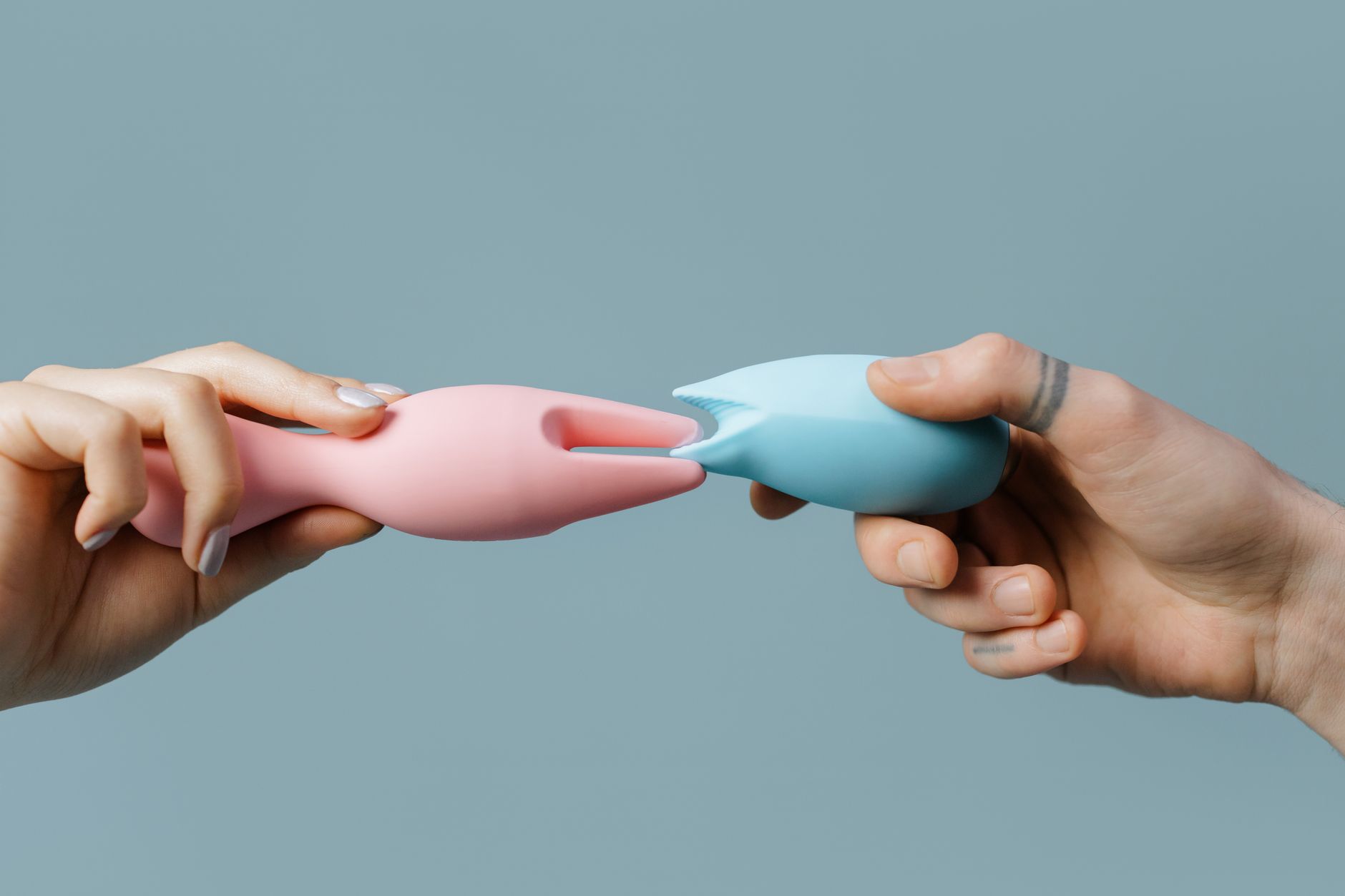
Lemon clitoral vibrators use air-suction technology, which creates a completely different sensation pathway than traditional vibration. Instead of the rapid back-and-forth motion your body has adapted to, suction creates a rhythmic pulling sensation that engages your clitoris through pressure and release.
Think of it this way. If your nervous system has become numb to vibration, introducing suction is like speaking a new language to that system. The nerve endings wake up because they're receiving unfamiliar input. Research on air-pulse technology shows it activates a broader area of neural response compared to traditional vibrators.
The Lem, for example, operates at a different frequency and mechanism than wand vibrators or bullet vibrators. That difference is the whole point. You're not just choosing a stronger toy. You're choosing a fundamentally different kind of stimulation.
Rebuilding sensation through novelty
Numbness after years of routine doesn't mean your capacity for pleasure is gone. It means your current stimulus has become invisible to your nervous system. The solution isn't to apply more of the same thing harder. It's to introduce genuine novelty.
When you first switch to lemon sexual toys from something else, expect the first experience to feel different, maybe even surprising. That's the point. Your body is reorienting. A lemon vibrator isn't just a stronger vibrator. It's a different category entirely.
Many people find that using a lemon clitoral vibrator two or three times a week, rather than daily, actually extends the period before habituation creeps back in. Consistency without monotony is the goal.
Partnered sex and the numbness conversation
If you're in a relationship and routine has deadened sensation, the numbness is rarely about your partner. It's about the pattern. And that's actually easier to solve than it sounds.
Bringing a lemon vibrator into partnered sex doesn't replace your partner. It introduces a variable that breaks the loop. Some couples use it alone first, then together. Others integrate it immediately into shared time. The mechanism doesn't matter as much as the fact that the stimulus changes.
One thing I see often: partners worry that introducing a toy means something is wrong with them or with the relationship. The opposite is true. It means you're both invested enough to try something different. That's not compromise. That's problem-solving.
The timing reset
Another layer most people don't think about. If your sexual routine has been the same for five or ten years, both partners have probably synchronized to that rhythm. There's a familiar arc. Foreplay lasts ten minutes. Penetration happens at a certain intensity. Orgasm (or not) follows a predictable timeline.
Introducing a lemon clitoral vibrator disrupts that timeline. Orgasm might come faster. Or pleasure might deepen in unexpected ways. The unpredictability itself is restimulating. Your nervous system is no longer coasting on autopilot.
This is why even couples who feel disconnected often report a shift after introducing new tools. You're literally changing the script. And changing the script means you both have to pay attention again.
Starting fresh with lemon vibrators
If you're switching from another type of toy or from no toys at all, here's what helps. Start with pattern one or two if the lemon vibrator is new to you. The suction feels different, and your first instinct might be to jump to higher intensities. Don't. Let your nervous system register the novelty first.
Take at least fifteen to twenty minutes. Rushing defeats the purpose. You're retraining your body to feel something new. That takes time.
If you're doing this with a partner, communicate about intensity and timing. A lot of couples find that the person with the clitoris controls the toy while the partner participates in other ways. Or they alternate who's driving the experience. The structure matters less than the fact that you're both engaged with something unfamiliar.
When to expect the shift
Don't expect everything to change after one use. Neurological reorientation takes a few sessions. Most people notice a real difference after three to five uses. Sensation starts coming back. Pleasure deepens. The numbness lifts.
One caveat: if you use the same lemon vibrator at the same intensity in the same way indefinitely, habituation will eventually return. That's not a failure of the toy. That's how your nervous system works. The solution then is variation. Different intensities. Different positions. Different timings. Different contexts.
What this isn't about
This isn't about performance or about proving something to a partner. It's about your own pleasure, which matters. It's about reconnecting with sensation that feels distant right now. It's about recognizing that numbness isn't a personal failing. It's a normal adaptation that has a normal solution.
Sex shouldn't feel like work. If it's become predictable and therefore invisible to you, that's worth changing. And often, the only thing standing between numbness and restored sensation is permission to try something different.
Frequently Asked Questions
Why does my nervous system adapt to the same stimulation?
Your brain is designed to filter out repetitive, non-threatening input so it can focus on novel information. This is called habituation, and it happens with touch the same way it happens with background noise. When stimulation is predictable and consistent, your nerve endings become less responsive to it. This isn't a sign of dysfunction. It's a sign that you need novelty.
Can lemon vibrators help if I've tried other vibrators and felt numb with those too?
Yes, but with a caveat. If you've felt numb with multiple types of vibrators, the issue is likely the consistency of vibration itself, not the brand. Lemon clitoral vibrators work through air-suction rather than pure vibration, which activates a different set of nerve pathways. Many people find that the switch from vibration to suction reignites sensation even if they've felt numb with traditional vibrators for years.
How often should I use a lemon vibrator to avoid habituation returning?
There's no magic number, but most people benefit from using any single toy two to four times per week rather than daily. The goal is stimulation without monotony. You can also rotate between different intensities or patterns on the same toy, or vary when and how you use it. Some people alternate between solo and partnered use, which naturally introduces variation.
Does feeling numb during sex mean my relationship is failing?
No. Numbness during sex is almost always about neural habituation to a repeated stimulus, not about relationship health. In fact, long-term couples often experience this together because they've synchronized to the same routine over years. The numbness is about the pattern, not the person. And interestingly, introducing something new often strengthens connection because you're both paying attention again.
Should I tell my partner I feel numb, or just introduce a lemon vibrator without explaining?
Communication is better. Frame it as "I want to try something different to shake things up" rather than "I'm not satisfied." Most partners respond well when it's positioned as exploration, not criticism. Many couples find that discussing sensation and novelty opens up conversations they hadn't had in years. That conversation itself can be reconnecting.
Can I use a lemon clitoral vibrator if I'm already sensitive?
Yes. Lemon vibrators offer multiple intensity levels. You can start at a lower setting and work up, or stay at a gentle setting. The suction mechanism actually feels gentler than intense vibration for many people, even on higher patterns. If you're sensitive, patterns one and two are often enough to reignite sensation without overwhelming your nervous system.
The bottom line
Numbness after years of routine sex isn't permanent. It's not a sign that you're broken or that your relationship is failing. It's a signal that your nervous system has adapted to predictability. Introducing a fundamentally different type of stimulation, like a lemon vibrator, can retrain your body to feel alive again. The novelty itself is often enough to shift everything. And for many people, that shift happens faster than expected.
If you're ready to reconnect with sensation that feels distant, exploring what lemon clitoral vibrators offer might be the reset you need. Your pleasure deserves the same problem-solving energy you bring to everything else in your life.
Have questions or want to explore further? We're here. Get in touch with Hello Nancy.