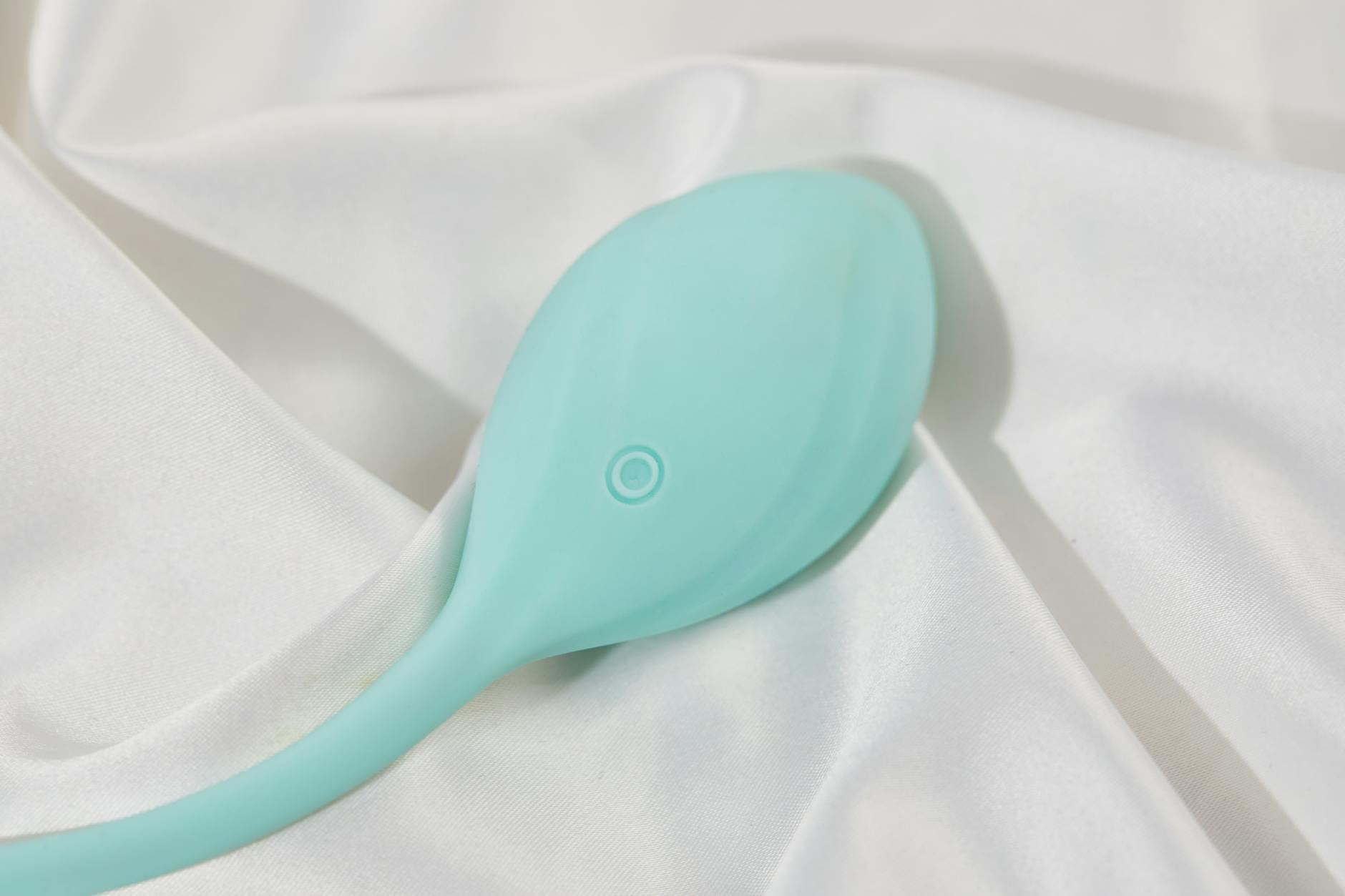
Let's talk about what actually happens to pleasure when your hormones shift
Midlife hormonal changes are real. Estrogen drops. Testosterone shifts. Vaginal tissue becomes thinner. Blood flow patterns change. And yes, arousal takes longer to build. But here's what nobody tells you clearly: none of that means pleasure ends. It means pleasure evolves. And sometimes, it gets better.
Most women in midlife get handed one of two narratives. Either "everything dries up and that's just aging," or "don't worry, it's fine." Both miss the actual truth. Your body isn't broken. It's changed. And there's a meaningful difference between those two things.
Why lemon vibrators work differently on a shifting body
Lemon clitoral vibrators use suction and gentle pulsation rather than traditional vibration. This matters enormously during hormonal shifts. Here's why.
When estrogen drops, clitoral tissue becomes more sensitive to direct pressure. A standard vibrator that felt perfect at thirty can feel too intense, almost raw, at fifty. The suction mechanism in lemon vibrators creates a gentler, broader stimulation pattern. Instead of a buzz that concentrates force on one tiny area, you get a rhythmic pulsing sensation that distributes pressure across the clitoris and the surrounding tissue.
This is especially valuable when tissue is thinner and more fragile. You're not sacrificing intensity. You're shifting to a type of stimulation that actually works better with what your body is now. Many of my clients report that switching to a lemon vibrator is the first time in years that pleasure feels natural again rather than something they have to work around.
How blood flow changes affect what stimulation works
Hormonal shifts change how quickly blood vessels respond. Arousal used to happen in five minutes. Now it might take fifteen or twenty. That's not a problem. That's just different.
Lemon vibrators pair perfectly with this slower arousal curve because you're not fighting against the stimulation. The pulsing suction rhythm actually encourages blood flow rather than overwhelming it. You can start on the gentler settings and let your arousal build naturally. No pressure to reach a plateau that used to come automatically.
I've worked with many women who felt broken because arousal took longer. What shifted when they switched to a lemon clitoral vibrator wasn't their body. It was the tool matching what their body actually needed. The arousal still builds. It just follows a different timeline now.
Rebuilding sensation after numbness
Many women notice reduced sensation during midlife hormonal changes. The clitoris still has the same nerve endings. But the hormonal environment changes how those nerves respond to input. It can feel like you're touching yourself through a glove.
This is where the Hello Nancy lemon vibrator becomes particularly useful. Because the mechanism is suction based rather than purely vibrational, it creates a pulling sensation that's distinct from traditional vibration. Your nervous system recognizes it as a different kind of input. That difference often breaks through numbness that hasn't responded to other toys.
It's not magic. It's neurology. When one type of stimulation stops working well, a different type often reactivates sensation. Switching to a lemon sexual toy frequently restores the feedback loop that had gone quiet.
The pelvic floor connection during midlife hormonal changes
Your pelvic floor muscles change during midlife too. They lose some elasticity and estrogen support. This means two things happen. First, orgasms might feel different. Shallower. Less full. Second, tension in the pelvic floor can actually block arousal and orgasm entirely.
This is where a lemon clitoral vibrator becomes a tool for both pleasure and functional recovery. The suction mechanism doesn't create as much internal pressure as traditional vibrators. This matters because a tense pelvic floor needs release, not more tension. The gentler stimulation pattern actually helps your pelvic floor relax rather than clench further.
Over time, as the pelvic floor learns to relax during pleasure, orgasms often deepen. You're not fighting your own muscles. You're helping them learn a new pattern. That's huge.
Partner dynamics shift too, and that changes what works
Midlife rarely means just hormonal change. It often means relationship shifts, confidence changes, and completely different communication around sex. Some couples become closer during this transition. Some grow distant. Either way, the conversation around pleasure changes.
If you're exploring lemon vibrators within a partnership, that's a different conversation than exploring them solo. A partner might worry that the vibrator means they're not enough. Or you might worry about introducing a toy into a relationship that's been the same for twenty years. These are real conversations. They're also completely separate from the physiology of what the vibrator does.
My recommendation: separate the two conversations entirely. "This is a tool that helps my body respond in ways it needs to right now" is different from "I want us to reconnect." Confusing those two things turns both into dead ends. Address the emotional stuff with actual words. Use the lemon vibrator for what it actually does. Pleasure becomes much clearer when you're not asking one tool to solve two different problems.
The timeline of adjustment and what to expect
If you've been using traditional vibrators for years, switching to a lemon adult toy feels strange at first. Your body is used to one type of input. Suction feels like something new. That's completely normal.
I typically recommend giving it three to five sessions before deciding whether it works for you. Your nervous system needs time to recognize this different stimulus as pleasurable. It's not that the vibrator isn't working. It's that your body is learning a new language.
Start on lower settings. Take time with arousal. Don't expect the same instant intensity you might have experienced years ago. Let your body surprise you with what feels good now. Many women find that their most intense orgasms in years come after giving this adjustment time. That's because you're finally using a tool that matches your body as it actually is.
When to see someone and what they can offer
If pleasure hasn't returned after experimenting with different approaches, that's worth discussing with a doctor. Hormonal therapy isn't always necessary, but it's worth knowing your options. Localized estrogen treatments, testosterone therapy, or other interventions exist. A good provider can help you figure out whether adding a lemon clitoral vibrator to your routine is enough, or whether other support makes sense for your specific situation.
Also seek help if pain shows up during any sexual activity. Discomfort during midlife sexual changes is fixable. You don't have to white-knuckle through it.
The permission piece might matter more than the device
Here's something I've noticed working with hundreds of women in midlife transitions. The lemon vibrator itself is useful. The suction mechanism really does work differently on a changing body. But sometimes the biggest shift isn't physiological. It's permission.
For decades, many women have organized their pleasure around someone else's timeline or preference. Midlife often brings a moment where that stops mattering as much. Children leave. Career priorities shift. The partner situation either stabilizes or becomes less urgent to maintain. And suddenly, you're allowed to explore what actually feels good to you. Not what's supposed to feel good. Not what worked when you were younger. What feels good right now.
A lemon vibrator is a concrete tool. But it's also permission to say: my pleasure matters. My body deserves attention. Hormone changes don't get to write the end of this story. And often, that permission is half the work.
Pleasure doesn't end in midlife. It transforms.
Midlife hormonal changes are real and they matter. Estrogen drops. Sensitivity shifts. Arousal changes. But pleasure doesn't end. It becomes something different. Something that requires different tools, different timing, and different communication. That's not a loss. That's information. And when you work with that information instead of fighting it, what comes next is often richer than what came before.
Lemon clitoral vibrators are one very practical way to work with your midlife body as it actually is right now. They're also one part of a bigger conversation about what you deserve and what you're willing to explore. Start there. See what happens.
Frequently asked questions about lemon vibrators and midlife pleasure
Do lemon vibrators work if I'm on hormone therapy?
Yes. Hormone therapy might change the timeline or intensity of your response, but it doesn't make lemon vibrators less effective. In fact, many women find that adding hormone therapy plus a lemon sexual toy creates the best results. Your provider might have thoughts on timing, so it's worth mentioning that you're using a new device as you adjust to any hormone support.
How is a lemon vibrator different from what I've tried before?
Traditional vibrators use rapid oscillation to stimulate. Lemon vibrators use suction and pulsation, which creates a pulling sensation rather than a buzzing one. For midlife bodies, this different stimulus pattern often works better because it's less intense on delicate tissue while still being very effective at building arousal and pleasure. Many women who felt numb or uncomfortable with other vibrators find that the lemon mechanism reawakens sensation.
Will I lose sensation again over time like I did with other vibrators?
Not necessarily. The sensation loss you experienced before often happened because your body adapted to the same type of stimulus used the same way repeatedly. Because lemon vibrators use a completely different mechanism, your nervous system recognizes them as new input. That said, pleasure changes across a lifetime. Switching up techniques, pacing, and even which toy you use can keep sensation fresh over time.
What if my partner feels threatened by a new toy during midlife?
That's about conversation, not the vibrator. Most partners worry about two things: that they're not enough, or that you're pulling away emotionally. Neither of those is actually about the toy. Address those worries directly. A tool that helps your body work better during physical intimacy can be something you share, not something that divides you. But the emotional work has to happen in conversation, not through the vibrator.
Can I use a lemon vibrator if I'm experiencing pain during sex?
It depends on the source of pain. If pain is from thinned tissue or reduced lubrication, a lemon vibrator used gently can sometimes help because it's less abrasive than other options. But if pain is sharp or concentrated, see a provider first. Pain is often your body telling you something needs attention. Get that addressed, then explore toys. Don't assume the vibrator will fix something that's actually a medical issue.
Is there a "best" way to use a lemon vibrator during midlife changes?
Start low and slow. Use plenty of lubrication even if you think you don't need it. Give your arousal time to build. Many women expect the same instant response they had years ago and then feel discouraged. Your body is different now. It needs different pacing. When you match that pacing, results often exceed what you expected. Also, combining a lemon vibrator with partner touch, fantasies, or other forms of stimulation often works better than the vibrator alone.
You deserve pleasure at every age
Midlife hormonal changes aren't something to mourn or white-knuckle through. They're an invitation to pay attention to what your body actually needs right now. That might mean switching to a lemon clitoral vibrator. It might mean having harder conversations with a partner about what pleasure looks like now. It might mean seeing a doctor or a therapist. Most likely, it means all of those things in some combination.
Your pleasure matters. Your changing body deserves tools and attention and care. Start somewhere. See what opens up.
If you want to explore this further or you're wrestling with changes that feel stuck, reach out. We can talk through what might work for your specific situation.