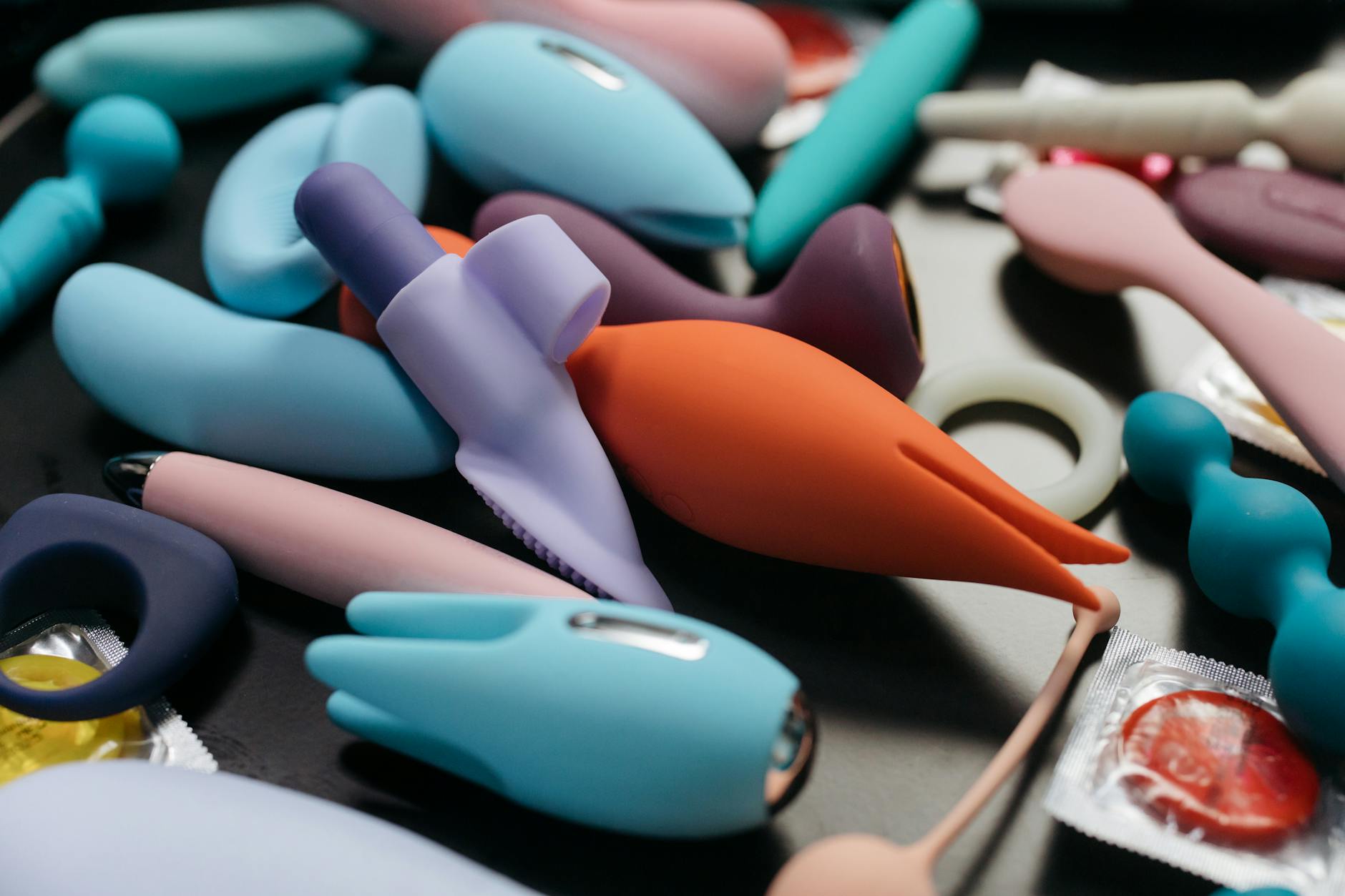
Here's the thing about vibration and suction
If you've been using a traditional vibrator for years and suddenly nothing feels like much of anything, you're not broken. Your nerve endings aren't fried. What's happened is your nervous system has adapted to the stimulus. Vibration alone, over time, teaches your body to tune it out. The same way you stop hearing your refrigerator hum.
Suction works differently. It's not just faster or stronger. It recruits a different set of nerve fibers entirely.
The neuroscience: why suction and vibration aren't interchangeable
Your clitoris has roughly 8,000 nerve endings packed into a structure smaller than a pea. But those nerves aren't all the same. Some respond to pressure. Others respond to movement. Still others respond to rhythmic changes in blood flow and tissue tension. This is important.
Vibration stimulates primarily through rapid oscillation. It's a repetitive up-and-down movement at speeds typically between 3,000 and 7,000 vibrations per minute. Your nerve endings register this, but over weeks or months, they habituate. They get used to the signal and stop firing as intensely. This is called sensory adaptation, and it's completely normal and reversible.
Suction works through negative pressure. Instead of buzzing against tissue, it gently pulls the clitoral glans into a chamber and releases repeatedly. This creates a pulsing sensation of fullness and release. It stimulates blood flow differently. It engages pressure-sensitive nerves (called Pacinian corpuscles) that vibration misses entirely. A lemon vibrator like the Lem uses this principle. The suction effect means you're not just vibrating. You're creating a rhythmic build and release of pressure that feels almost like a partner is using their mouth.
Clinically, this matters. People who have used traditional vibrators for years often report that switching to a lemon clitoral vibrator feels shockingly different. Not just stronger, but qualitatively different. New. Which is exactly what your nervous system needs when vibration alone stops working.
Why suction prevents numbness better than vibration
Numbing happens because vibration, applied directly to the same spot repeatedly, fatigues the nerve endings. Think of it like touching a hot stove. Your hand recoils the first time. By the tenth touch, if the stove were slightly cooler, you'd barely notice. The nerves downregulate their sensitivity as a protective mechanism.
Suction interrupts this process in two ways.
First, it introduces rhythmic variation that your nervous system can't predict or habituate to as easily. The pressure builds, peaks, and releases in a pattern that keeps nerve endings alert. Second, suction doesn't numb the tissue the way constant direct pressure can. You're not placing vibration directly against your clitoris for ten, fifteen, twenty minutes straight. You're drawing the whole structure into a gentle chamber and working with it. The tissue stays responsive.
I've had clients report that they went from needing 20+ minutes of vibration with minimal sensation to having an intense orgasm in 8 minutes with a suction-based lemon sexual toy. The change isn't subtle. And it's not because the device is "more powerful." It's because suction engages different neurological pathways.
What the research actually says
There isn't a ton of peer-reviewed literature comparing suction directly to vibration. But what exists is telling. A 2016 study in the Journal of Sexual Medicine found that people who switched from traditional vibrators to air-pulse technology (essentially suction) reported higher pleasure ratings and faster time to orgasm. The effect held even for people who had used vibrators regularly for years. Their sensitivity didn't return overnight, but suction accelerated the process.
More recent work has focused on why suction feels subjectively different. The answer keeps coming back to nerve fiber recruitment. Vibration activates primarily the same mechanoreceptors, over and over. Suction activates a broader range. Your body gets to engage multiple sensory channels at once instead of wearing out one track.
The practical reality: which one works when
Neither is universally "better." But context matters.
Use vibration if you're new to devices, exploring for the first time, or if your sensitivity is high. Vibration is more straightforward. It has a flatter learning curve. You turn it on, you feel it, and most people orgasm.
Reach for suction (a lemon clitoral vibrator, for instance) if you've noticed vibration stops working as well as it used to, if you have reduced sensitivity from medication or hormonal changes, or if you want something that feels less numbing over repeated sessions. Suction also tends to feel more connected to sensation. People describe it as more intimate or more like partnered sex. That's partly because suction mimics oral stimulation in a way vibration never does.
You can also use them together. Many people use a lemon adult toy for the bulk of sensation and then switch to a traditional vibrator for final intensity. Or vice versa. Mixing stimulation types prevents adaptation and keeps things interesting.
Does intensity matter, or is it all about the mechanism
Intensity definitely matters, but it's not the whole story. A high-powered traditional vibrator might be "stronger" by raw numbers, but if your nerves have adapted to vibration, more vibration won't help. What helps is novelty at the neurological level.
That said, suction devices do tend to feel more intense than their vibration cousins. The lemon suction vibrator creates sensation that peaks sharply. It builds pressure and releases it. That cycle is inherently more noticeable than steady-state vibration. But the intensity isn't the point. The variety is the point. Your nervous system gets to stay engaged because the stimulus keeps changing.
If you're considering switching from vibration to suction, expect a learning curve of one to three sessions. Your body needs time to understand what's happening. It might feel weird at first. Then it usually clicks. And suddenly you remember why you started using a toy in the first place.
When to stick with vibration
Vibration is still the right choice in certain situations. If you have very sensitive skin or a sensitive vulva, vibration lets you modulate intensity in smaller increments. If you're dealing with vaginismus or pelvic pain, vibration can be easier to control and less triggering than the sensation of suction. And if you're simply not interested in experimenting, that's fine too. A device that works doesn't need to be replaced just because something else exists.
The broader point is this: if vibration used to work and doesn't anymore, it's not a sign that you're broken or that your pleasure is broken. It's a sign that your nervous system has adapted. That's actually healthy. It means you need novelty. Switching to a different stimulation mechanism, like suction, is exactly how you get it back.
Questions people ask about suction versus vibration
Can suction cause irritation or bruising?
No if you're using a device designed for suction. Legitimate lemon vibrators and other suction toys have gentle pressure curves built in. They're not like using your mouth aggressively or creating a vacuum. The sensation builds slowly. What you might feel at first is a slight soreness after your first session if you've never used suction before. This is normal and typically resolves in a day or two. Your tissue is just adjusting to a new type of stimulation.
How long does it take for suction to feel better than vibration?
Most people feel a difference in the first use. But genuine preference and better sensation usually develops over three to five sessions. Your body learns what's happening and stops bracing against the sensation. That's when the real benefits emerge. Many people report their best orgasms happen after they've switched for about two weeks.
Do I have to choose? Can I use both?
Absolutely. Mixing stimulation types is actually ideal for preventing adaptation. Use a lemon clitoral vibrator one session, a traditional vibrator the next. Your nervous system stays sharp. And honestly, most people find that variety is more enjoyable than sticking with one device forever. The combination approach is increasingly common in my practice.
Is suction uncomfortable if I have a sensitive clitoris?
Suction can actually feel less uncomfortable than vibration for sensitive vulvas. Because it's not hammering at the same spot with rapid movement, it can be gentler. You have more control over the intensity. That said, start with the lowest setting. Let your body adjust. Many people with sensitivity switch to suction and never look back because it feels less aggressive.
What if I've tried suction and it didn't work for me?
Try a different intensity level or pattern. Suction devices usually have multiple settings. You might need pattern two instead of pattern one, or you might need to warm up longer before using it. It can also help to apply a bit of water-based lubricant first. Some people benefit from longer ramp-up time with suction than they did with vibration. Also consider whether the timing is right. Stress, hormones, and sleep all affect how your body responds. Three sessions across a week is a fairer trial than one attempt.
Can I use suction if I'm on antidepressants or blood pressure medication?
Yes. The switch from vibration to suction can actually help if medication has numbed sensation. Because suction recruits different nerve pathways, you might find restored sensation with a lemon sexual toy even when vibration has stopped working. If you're managing specific sensitivity challenges, check out how to use lemon vibrators when antidepressants numb pleasure for more tailored advice.
How do I know if I actually have sensory adaptation versus just needing more time?
Sensory adaptation usually means vibration that used to work doesn't anymore. You might need higher intensity or longer sessions. Or sensation just flatlines. If you notice this happening over weeks, not days, it's probably adaptation. A reliable test is switching to a completely different sensation type (like suction) and noticing if that fires you up again. If it does, adaptation was the culprit. The good news is it's reversible with novelty.
The bottom line
Suction and vibration aren't just different intensities of the same thing. They're different mechanisms that engage your nervous system in distinct ways. If vibration has stopped delivering, suction isn't a marginal upgrade. It's a different path entirely. Most people find that the switch brings sensation and pleasure roaring back. Your body isn't broken. It just needs something new. A lemon vibrator is a simple, research-backed way to get there. If you're curious about trying one or exploring what works best for your body's specific needs, reach out. That's what I'm here for.